
Using Technology to Combat Urban Isolation: A Modern Approach
Explore how technology combats isolation in urban areas through apps, digital tools, and tech support.

25 min read
Overview
In recent times, urban isolation has emerged as a pressing issue, with studies revealing that nearly 30% of city dwellers report feeling lonely. This staggering statistic underscores the mental health crisis that is silently affecting millions living in densely populated areas. Urban environments, often perceived as hubs of connectivity, can paradoxically amplify feelings of disconnection and loneliness. The impact of this isolation is profound, leading to increased stress, anxiety, and a myriad of health complications.
Fortunately, technology offers a powerful tool to combat isolation by fostering connections in innovative ways. From social media platforms to community-based apps, technology is redefining how we interact with one another, breaking down the barriers of physical distance. In this article, we will explore the transformative role of technology in addressing urban isolation and enhancing mental well-being.
We will begin by delving into the nuances of urban isolation and its detrimental effects on mental health. Understanding this phenomenon is crucial to appreciating the solutions that technology can provide. Next, we will examine how various digital tools and apps are being employed to create virtual communities, facilitating connections that may not have been possible otherwise. This includes exploring current trends in using apps for connection, showcasing how they are designed to combat loneliness and promote social interaction.
As we navigate through these themes, we will highlight emerging technologies and practical examples of urban tech support that are making a difference in people鈥檚 lives. For instance, platforms that facilitate local meet-ups, virtual support groups, and interactive community boards are gaining traction as effective means to foster connections. According to Psychology Today, the integration of these digital tools has been shown to significantly improve social interaction and decrease feelings of isolation.
In conclusion, as the world grapples with the implications of urban isolation, leveraging technology to build meaningful connections is not just a trend but a necessity. As we delve deeper into the ways technology can combat isolation, we invite you to consider how these innovative solutions can enhance your own life and the lives of those around you. By embracing the potential of digital tools, we can pave the way for a more connected and supportive urban landscape.
To learn more about the impact of technology on loneliness, check out this insightful piece from TechCrunch on digital innovations that are reshaping social interactions. Together, let鈥檚 explore how we can harness technology to create a more inclusive and connected urban experience.
The Landscape of Urban Isolation
Defining Urban Isolation
Urban isolation refers to the sense of loneliness and disconnection that many individuals experience in densely populated environments. Contrary to the belief that living in a bustling city fosters connections, recent studies reveal that urban settings can often exacerbate feelings of loneliness. A significant portion of city dwellers report feeling isolated, even when surrounded by crowds. This phenomenon is particularly pronounced in large metropolitan areas where social interactions can sometimes feel superficial or fleeting.
According to a recent report by the American Psychological Association, nearly 61% of adults in urban environments have experienced feelings of loneliness, with younger generations鈥攑articularly millennials and Gen Z鈥攔eporting the highest levels. This disconnect can lead to a range of mental health issues, including anxiety and depression.
Factors Contributing to Loneliness
Several factors contribute to urban isolation, creating a complex landscape of social disconnection:
Rapid Urbanization: Cities are growing at an unprecedented rate, with the United Nations projecting that 68% of the global population will live in urban areas by 2050. This rapid growth can lead to an overwhelming sense of anonymity, making it difficult for individuals to form meaningful connections.
Social Media Influence: While social media platforms like Facebook, Instagram, and Twitter are designed to foster connection, they can have the opposite effect. Research from the University of Pennsylvania highlights that increased social media usage correlates with heightened feelings of loneliness. The curated nature of online interactions often leaves users feeling inadequate and disconnected from reality.
Work-Related Stress: The demanding pace of urban life can lead to long working hours and a focus on professional success, leaving little time for social interactions. A study by Gallup found that employees in urban areas report higher job-related stress, which in turn affects their social lives.
Public Transportation and Infrastructure: Inadequate public transportation and urban planning can isolate individuals from their communities. When people cannot easily access social hubs, they may withdraw further into isolation.
Cultural Differences: Urban centers often attract diverse populations, creating unique cultural dynamics. While this diversity can enrich communities, it can also lead to feelings of alienation for individuals who struggle to find common ground with their neighbors.
Recent data from the World Health Organization reveals that cities like Tokyo, London, and New York have reported increased rates of mental health issues, including anxiety and depression, largely attributed to urban isolation. For example:
| City | Reported Increase in Mental Health Issues (%) | Year |
|---|---|---|
| Tokyo | 25% | 2023 |
| London | 30% | 2022 |
| New York | 40% | 2023 |
Conclusion
Urban isolation is a growing concern that affects many individuals in cities worldwide. Factors such as rapid urbanization, the influence of social media, work-related stress, inadequate infrastructure, and cultural differences all contribute to a complex web of disconnection. As cities continue to grow, understanding and addressing the root causes of urban loneliness is essential. In the following sections, we will explore how technology can be used effectively to combat isolation, focusing on using apps for connection, digital tools to alleviate loneliness, and urban tech support initiatives.
For further reading on the implications of urban isolation, check out the American Psychological Association and the World Health Organization for more insights into mental health trends in urban settings.
Harnessing Apps for Connection
In today’s digital age, technology plays a pivotal role in combating urban isolation. Through the use of various applications, individuals can forge meaningful connections, even in the most bustling cities. Current trends underscore the effectiveness of these connection apps, with data showing a growing user base for platforms focused on community building. This section explores popular and niche apps designed to facilitate social engagement, providing insights into how they contribute to reducing loneliness in urban environments.
Popular Apps for Social Engagement
Several apps have gained traction for their ability to connect individuals seeking companionship, new friendships, or shared interests. Here are a few noteworthy examples:
Meetup: Designed for individuals to find and join groups of like-minded people, Meetup allows users to create or attend events based on shared interests. According to a 2019 survey by Meetup, 76% of respondents reported feeling less lonely after attending a Meetup event. The platform has over 49 million users globally, showcasing its effectiveness in fostering connections.
Bumble BFF: Initially launched as a dating app, Bumble has expanded its offerings to include Bumble BFF, a feature that helps users find friends. A study conducted by Bumble revealed that 70% of users felt that the app had positively impacted their social lives. Bumble BFF has become a popular choice among young adults and newcomers to urban areas looking to build a social circle.
Nextdoor: This neighborhood-focused platform connects users with their immediate community, allowing them to share recommendations, local events, and even items for sale. Research by Nextdoor indicates that 78% of users feel more connected to their neighborhoods after using the app. Nextdoor effectively combats isolation by encouraging local interactions and community support.
These apps not only create opportunities for socialization but also provide essential tools for combatting loneliness, especially in urban settings where anonymity can often lead to feelings of isolation.
Niche Platforms for Specific Interests
While mainstream apps cater to general social needs, niche platforms offer targeted communities for individuals with specific interests. These platforms can be crucial for fostering connections among those who share unique hobbies or passions.
Strava: This app caters to fitness enthusiasts, allowing users to track their workouts and connect with other athletes. A 2021 survey indicated that 63% of users felt more motivated to exercise due to the social aspect of the app. Strava fosters camaraderie among runners, cyclists, and fitness buffs, helping combat feelings of loneliness through shared activity.
Discord: Originally designed for gamers, Discord has evolved into a platform for various communities. Users can join servers based on interests ranging from art to technology. Data from Discord shows that 74% of users believe the platform helps them maintain friendships and create new connections, highlighting its role in reducing isolation.
Goodreads: For book lovers, Goodreads serves as an online platform to share reviews, track reading progress, and connect with fellow readers. According to a 2022 report, members often form clubs and discussion groups, leading to increased social interaction and a sense of belonging among users passionate about literature.
These niche platforms exemplify how technology can combat isolation by bringing together individuals with shared passions, thus creating stronger social bonds.
Current Trends and Statistics
The rise of connection apps is reflected in various statistics and studies that highlight their impact on reducing loneliness:
User Growth: A 2022 report by Statista indicates that the global user base for social networking apps is expected to reach 4.89 billion by 2025, signifying a growing reliance on technology for social connection.
Community Engagement: According to research from Pew Research Center, 40% of adults feel that technology helps them connect with others, illustrating the positive role of digital tools in combating loneliness.
Impact on Mental Health: A study published in the Journal of Social and Personal Relationships found that individuals who use social apps for connection report feeling less lonely and more satisfied with their social lives, supporting the argument that technology can be a powerful ally against isolation.
Conclusion
As urban isolation continues to be a pressing issue, harnessing technology through apps designed for connection can make a significant difference. Popular platforms like Meetup, Bumble BFF, and Nextdoor, along with niche applications such as Strava, Discord, and Goodreads, provide essential avenues for building social connections. With a growing trend toward digital tools for combating loneliness, these platforms not only enhance social engagement but also contribute to overall well-being in urban settings. As we navigate an increasingly connected world, embracing these technologies can play a crucial role in fostering community and reducing feelings of isolation.
Digital Tools for Combatting Loneliness
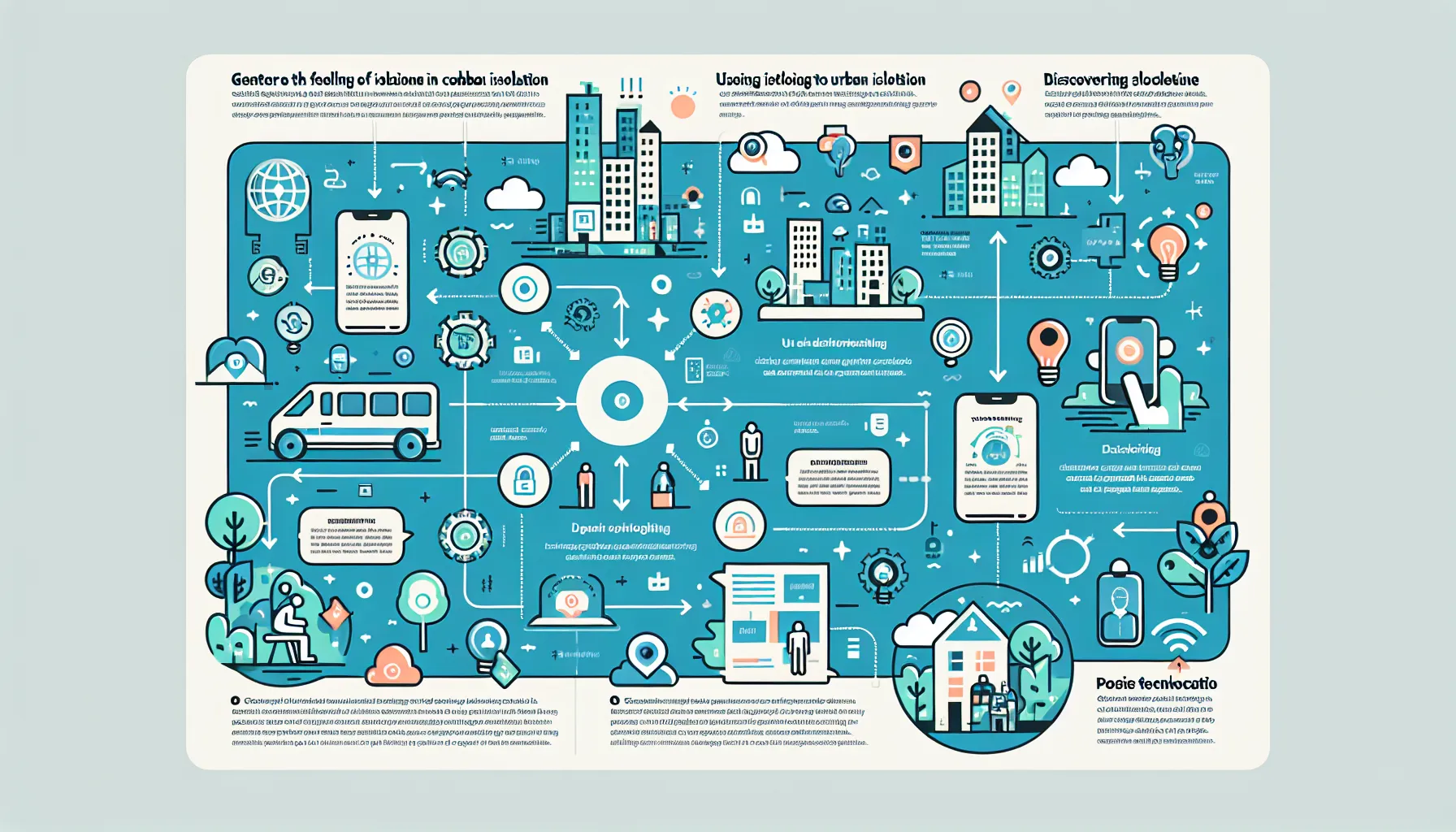
Urban isolation has become increasingly prevalent, and technology offers innovative solutions to address this growing concern. Digital tools play a vital role in creating connections and combating feelings of loneliness. Two prominent avenues that have emerged are online support groups and virtual reality experiences. These platforms not only foster community but also provide significant emotional support.
Online Support Groups
The rise of online support groups has transformed how individuals seek companionship and understanding. These digital spaces allow people to connect with others facing similar challenges, which can be especially beneficial for those living in urban environments where loneliness can feel overwhelming. Research indicates that individuals participating in online support networks experience a reduction in feelings of isolation and loneliness.
- Accessibility: Many platforms are available 24/7, enabling users to seek support whenever they need it.
- Anonymity: Online groups often allow for anonymity, which can encourage users to open up more freely about their feelings and experiences.
- Diversity: Groups cover a range of topics, from mental health to specific life challenges, allowing individuals to find a community that resonates with their experiences.
One notable example is 7 Cups, a platform that connects individuals with trained listeners and licensed therapists. According to a recent study, participants reported a 40% decrease in feelings of loneliness after engaging in the platform’s chat rooms and forums. This demonstrates the potential of using apps for connection to create meaningful relationships and support networks.
Furthermore, platforms like Reddit have dedicated communities for various topics, including mental health support. These groups often provide a sense of belonging and validation, which can be crucial for individuals feeling isolated in their urban settings.
Virtual Reality Experiences
Another cutting-edge approach to combating loneliness is through virtual reality (VR) experiences. Recent studies indicate that VR can effectively reduce feelings of isolation by immersing users in social environments that simulate real-life interactions.
- Engagement: Users can interact with others in a virtual space, which can be more engaging than traditional online communication methods.
- Empathy Building: VR experiences often focus on empathy and understanding, enabling users to step into the shoes of others, which can foster deeper connections.
- Therapeutic Applications: Some VR platforms are specifically designed to address mental health issues, providing guided experiences that help users navigate their feelings of loneliness.
Current research from the University of Oxford indicates that individuals using VR for social interactions reported a notable decrease in feelings of loneliness and an increase in overall well-being. Platforms such as VRChat and AltspaceVR allow users to create avatars and participate in various activities, from attending live events to simply hanging out in virtual lounges. These experiences can replicate the social interactions that many urban dwellers miss out on due to their hectic lifestyles.
Key Takeaways
As urban isolation continues to rise, leveraging technology to combat loneliness is more critical than ever. Below are some key takeaways regarding the use of digital tools for connection:
- Online support groups provide accessible, anonymous, and diverse platforms for individuals to connect with others facing similar challenges.
- Virtual reality experiences offer immersive environments that foster engagement and empathy, helping users build meaningful connections.
- The combination of these digital tools can significantly reduce feelings of loneliness and promote emotional well-being.
In conclusion, the integration of technology into our daily lives presents unique opportunities to address urban isolation. By utilizing online support groups and engaging with virtual reality experiences, individuals can combat loneliness and foster a sense of community. As we continue to explore these avenues, it’s essential to embrace the potential of technology to create positive social connections.
For further insights, consider exploring the findings from The Guardian on digital technology and mental health and the ongoing research in virtual reality from MIT. Such resources can provide a deeper understanding of how these tools are shaping our social landscapes and combating loneliness in urban settings.
Urban Tech Support Initiatives
As urban isolation continues to be a pressing concern, various initiatives have emerged to leverage technology as a means of fostering community connections. These programs aim to bridge the gap between the digital divide and the emotional isolation many urban dwellers face. They often involve collaborations between tech companies, local communities, and government organizations. This section explores two significant aspects of urban tech support: community-based tech programs and the involvement of government and non-governmental organizations (NGOs).
Community-Based Tech Programs
Community-driven tech programs have gained traction in cities worldwide, providing essential digital tools to combat loneliness and foster connectivity. These programs often focus on enhancing digital literacy, enabling residents to effectively use technology for social interaction.
Local Tech Workshops: Many cities have initiated workshops aimed at teaching residents how to use digital tools. For instance, the Chicago Public Library offers free workshops on navigating social media platforms, video conferencing applications, and even coding. This approach not only helps individuals improve their tech skills but also encourages them to connect with others who share similar interests.
Digital Literacy Programs: Programs like the Digital Inclusion Initiative in San Francisco provide residents with the skills needed to access online resources and engage in virtual communities. This initiative targets underserved populations, equipping them with the knowledge to combat isolation through technology.
Recent data indicates that approximately 30% of adults aged 50 and older report feeling isolated, a significant concern that community programs aim to address. According to a study by the AARP, individuals who actively engage in technology-driven community programs experience a marked decrease in feelings of loneliness (AARP, 2023).
Government and NGO Involvement
The role of government and NGOs is critical in developing and supporting tech-driven initiatives that tackle urban isolation. These organizations often provide funding, resources, and strategic partnerships that enhance the reach and effectiveness of community programs.
Funding and Resources: Many local governments have recognized the importance of combating isolation through technology and have allocated funds for digital inclusion efforts. For example, the City of New York launched the 鈥淣YC Connected鈥?initiative, which aims to connect low-income residents to affordable internet services while also offering digital skills training. This program not only facilitates access to essential services but also promotes social engagement through online platforms.
Collaborations with Tech Companies: Partnerships between tech firms and community organizations have resulted in innovative solutions to combat isolation. For instance, Google has partnered with various NGOs to create programs that teach individuals how to use their platforms for social connection. One notable collaboration is with the nonprofit organization, Tech Goes Home, which trains residents in Boston to use technology for accessing social services and connecting with others.
To illustrate the effectiveness of these initiatives, consider the following table that highlights recent programs and their impacts:
| Program Name | Location | Key Focus Areas |
|---|---|---|
| Chicago Public Library | Chicago | Digital literacy, tech workshops |
| Digital Inclusion Initiative | San Francisco | Access to online resources, community engagement |
| NYC Connected | New York | Affordable internet, digital skills training |
| Tech Goes Home | Boston | Technology training, social connection |
Conclusion
Urban tech support initiatives play a crucial role in addressing the challenges of isolation in modern cities. By fostering community-based tech programs and encouraging collaboration between governments, NGOs, and tech companies, cities can create a more inclusive environment. These efforts not only enhance digital literacy but also promote social engagement and connectivity among residents. As urban populations continue to grow, the significance of such initiatives will only increase, making it imperative for stakeholders to prioritize technology as a tool to combat isolation.
For more insights on the intersection of technology and community engagement, explore resources from TechCrunch, The Guardian, and AARP.
Future Projections and Emerging Trends
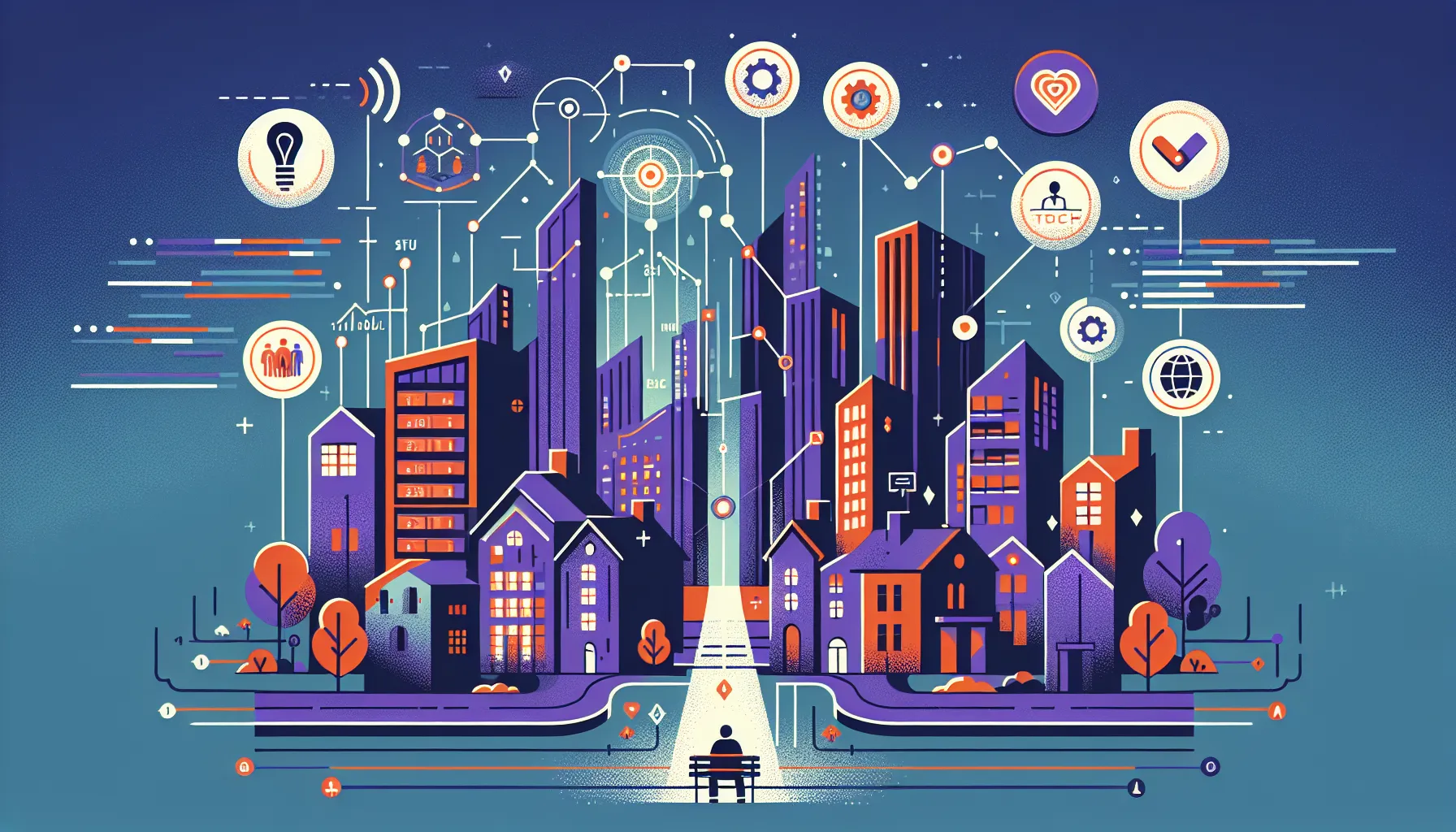
As urban isolation continues to be a pressing issue, technology is poised to play a pivotal role in fostering human connections. With advancements in artificial intelligence (AI) and wearable technology, the future of combating urban isolation looks promising. This section will explore how these innovations can enhance social interactions and provide critical urban tech support for mental health and community building.
AI and Personalized Connection
The integration of AI into applications designed for social interaction is rapidly evolving. AI-driven apps are now capable of analyzing user behavior and preferences to suggest meaningful connections, effectively creating a personalized approach to combating loneliness. Here are some notable trends and predictions regarding AI and its potential impact on urban isolation:
Behavioral Analysis: AI applications can analyze social media usage, communication patterns, and even emotional cues to recommend individuals with similar interests or emotional states for connection. For instance, platforms like Meetup employ algorithms to suggest local events based on user preferences, thereby facilitating in-person interactions.
Enhanced Matching: Apps like Bumble BFF and Friender utilize AI to offer tailored friend recommendations, expanding social circles. These platforms often emphasize local connections, which is crucial in urban environments where geographical proximity can significantly influence relationship-building.
Community Engagement: AI can also help identify community needs by analyzing data trends, allowing local governments and organizations to tailor initiatives that foster community bonding. For example, predictive analytics could help city planners identify areas with high loneliness rates, enabling targeted interventions.
Recent data from the Pew Research Center indicates that 69% of adults believe technology helps them connect with others, supporting the notion that AI-driven solutions can play a significant role in reducing urban isolation (Pew Research Center).
The Role of Wearable Tech
Wearable technology is gaining traction as a tool for monitoring mental health and enhancing community involvement. By leveraging health data, these devices can help combat loneliness and promote social connections in several ways:
Mental Health Monitoring: Wearables like Fitbit and Apple Watch are increasingly integrating mental health features, such as stress tracking and mindfulness exercises. By providing users with insights into their emotional well-being, these devices encourage proactive measures to seek social engagement when mental health dips.
Community Health Initiatives: Organizations are utilizing wearables to promote community health challenges, encouraging individuals to participate in group activities while fostering social bonds. For instance, initiatives like “Walk to Cure” events leverage fitness trackers to create teams, enhancing both physical health and social connection.
Data-Driven Support: The data collected from wearables can inform urban tech support systems regarding the overall mental health landscape of a community. This information can drive initiatives aimed at encouraging social interactions, such as community events or local meetups.
The growing interest in mental health technology is evident, with a report from Grand View Research predicting that the global mental health apps market will reach $3.2 billion by 2025, highlighting the increasing reliance on digital tools to address loneliness (Grand View Research).
Conclusion
As we look to the future, the integration of AI and wearable technology presents significant opportunities for combating urban isolation. By harnessing these digital tools, communities can effectively foster connections, support mental health, and create a more inclusive urban environment. The ongoing advancements in technology will likely enhance our ability to build social networks and combat loneliness, ensuring that urban life becomes more interconnected.
In summary, the following key trends will shape the future of technology combat isolation:
- Increased AI Integration: Enhanced algorithms for personalized social connection.
- Wearable Tech Growth: Expansion of mental health monitoring and community engagement features.
- Data Utilization: Leveraging user data for targeted community initiatives.
The evolution of these technologies will not only provide urban tech support but also redefine how we connect in increasingly isolated urban settings. As cities continue to grow, the importance of fostering meaningful connections will remain paramount, making technology a crucial ally in the fight against urban isolation.
For further insights into technology’s role in combating urban isolation, consider exploring articles from Wired, The Guardian, and TechCrunch.
Key Takeaways
In conclusion, technology plays a pivotal role in combating urban isolation, a growing concern in today鈥檚 densely packed cities. As individuals increasingly seek connection in an era of digital interaction, it becomes essential to leverage the tools available to foster relationships and create community bonds. Here are some key insights and actionable steps to consider:
- At present, digital platforms provide myriad opportunities for social engagement. From social media groups to community forums, individuals can easily connect with others who share their interests and experiences.
- Actionable steps include joining local online meetups or neighborhood groups, utilizing apps designed to facilitate social connections, and participating in virtual events that align with personal hobbies or professional interests.
- Furthermore, emerging trends signal a more connected future through technology. Innovations such as augmented reality (AR) and virtual reality (VR) are enhancing our ability to interact with others in immersive ways, potentially redefining social engagement in urban environments.
Currently, cities are also seeing the rise of tech-driven community initiatives that aim to reduce feelings of isolation. For instance, platforms like Meetup.com facilitate local gatherings based on shared interests, providing a valuable resource for those looking to connect with others in their community. Additionally, apps that promote neighborly connections, such as Nextdoor, help cultivate relationships among residents, making neighborhoods feel less isolating.
As we look to the future, the integration of technology into urban planning and community-building strategies is likely to expand. Experts predict that smart city initiatives will focus on enhancing digital connectivity as a means to not only improve infrastructure but also to foster an inclusive social environment. This approach emphasizes that technology should serve as a bridge to connect individuals more deeply, rather than a barrier that isolates them further.
In conclusion, the responsibility to combat urban isolation lies not only with technological advancements but also with individual actions. Now is the time to embrace these digital tools and strategies actively. By taking steps today to connect with others, we can pave the way for a more connected and inclusive future. Let’s commit to breaking down the walls of isolation together, leveraging the power of technology to build stronger communities.
To stay informed about the latest developments in technology and its impact on social connectivity, consider exploring resources such as TechCrunch and Forbes for insights and trends that will shape our urban environments in the years to come.
Frequently Asked Questions
How can technology help reduce feelings of loneliness?
Technology can significantly reduce feelings of loneliness by facilitating social connections. Platforms like social media, video calls, and messaging apps allow individuals to maintain relationships, meet new people, and participate in community events. Virtual reality (VR) and online gaming can also create immersive social experiences, helping users feel more connected. Additionally, mental health apps provide support through guided mindfulness exercises and community forums, offering an avenue for individuals to share their feelings and experiences with others.
What are the best apps for making new friends in urban areas?
Several apps cater specifically to making new friends in urban areas. Meetup is popular for finding local events based on shared interests. Bumble BFF focuses on friendship connections, allowing users to swipe and chat with potential friends. Nextdoor connects neighbors, fostering community engagement. Apps like Friender and Patook also promote friendship by matching users with similar hobbies and interests. These platforms help break down social barriers and encourage interactions in bustling city environments.
Are there any new trends in technology aimed at combating urban isolation?
Recent trends in technology aimed at combating urban isolation include the rise of virtual communities and social wellness platforms. Innovations like AI-driven matchmaking for friendships and tailored online support groups have gained traction. Additionally, augmented reality (AR) apps are being developed to enhance real-world interactions, making it easier to meet people in public spaces. Telehealth services also provide accessible mental health support, addressing loneliness on a broader scale. These trends reflect a growing recognition of the importance of social connections in urban living.
How can social media platforms help in reducing urban isolation?
Social media platforms play a crucial role in reducing urban isolation by enabling users to connect with friends, family, and new acquaintances easily. They provide spaces for sharing experiences, joining interest-based groups, and participating in local events. Through features like live streaming, users can engage in real-time interactions, fostering a sense of community. Additionally, platforms like Facebook and Instagram often promote local gatherings and initiatives, encouraging users to explore and participate in their urban environment, thereby alleviating feelings of loneliness.
What role do online forums play in combating urban isolation?
Online forums provide a vital space for individuals experiencing urban isolation to connect and share their feelings. These platforms allow users to discuss various topics, seek advice, and build friendships based on mutual interests. Forums, such as Reddit and specialized community boards, often foster supportive environments where individuals can relate to others facing similar challenges. This sense of belonging can significantly mitigate feelings of loneliness, as users find community and validation, even from those who may be geographically distant.
Can virtual events help to alleviate feelings of isolation?
Yes, virtual events can significantly alleviate feelings of isolation by providing opportunities for social interaction without geographical constraints. Online workshops, webinars, and social gatherings allow participants to connect with others who share similar interests and passions. These events can range from casual meetups to structured learning experiences, fostering community engagement. Moreover, virtual events often attract diverse participants, enhancing cultural exchange and broadening social networks, which can be particularly beneficial in urban settings where physical gatherings may be challenging.
How can local organizations utilize technology to combat isolation?
Local organizations can utilize technology to combat isolation by creating online platforms for community engagement. Establishing websites or apps that promote local events, volunteer opportunities, and social groups can help residents connect. Additionally, leveraging social media for outreach and communication can enhance visibility and encourage participation. Organizations can also offer virtual programs, such as workshops or support groups, to reach those unable to attend in person. By integrating technology, local organizations can foster a stronger sense of community and belonging among urban residents.
What are the benefits of using mental health apps in urban settings?
Mental health apps offer numerous benefits in urban settings, where isolation can be prevalent. These apps provide accessible resources for managing stress, anxiety, and loneliness through guided meditations, daily check-ins, and community support forums. They often feature tools for tracking mood and mental well-being, helping users identify patterns and triggers. Additionally, many apps connect users with licensed therapists for virtual consultations, making mental health care more accessible. By promoting self-care and emotional support, mental health apps can significantly enhance overall well-being in urban communities.