
Urban Parks vs Community Centers: Best Spaces for Connection
Explore the differences between urban parks and community centers as the best connection spaces in today
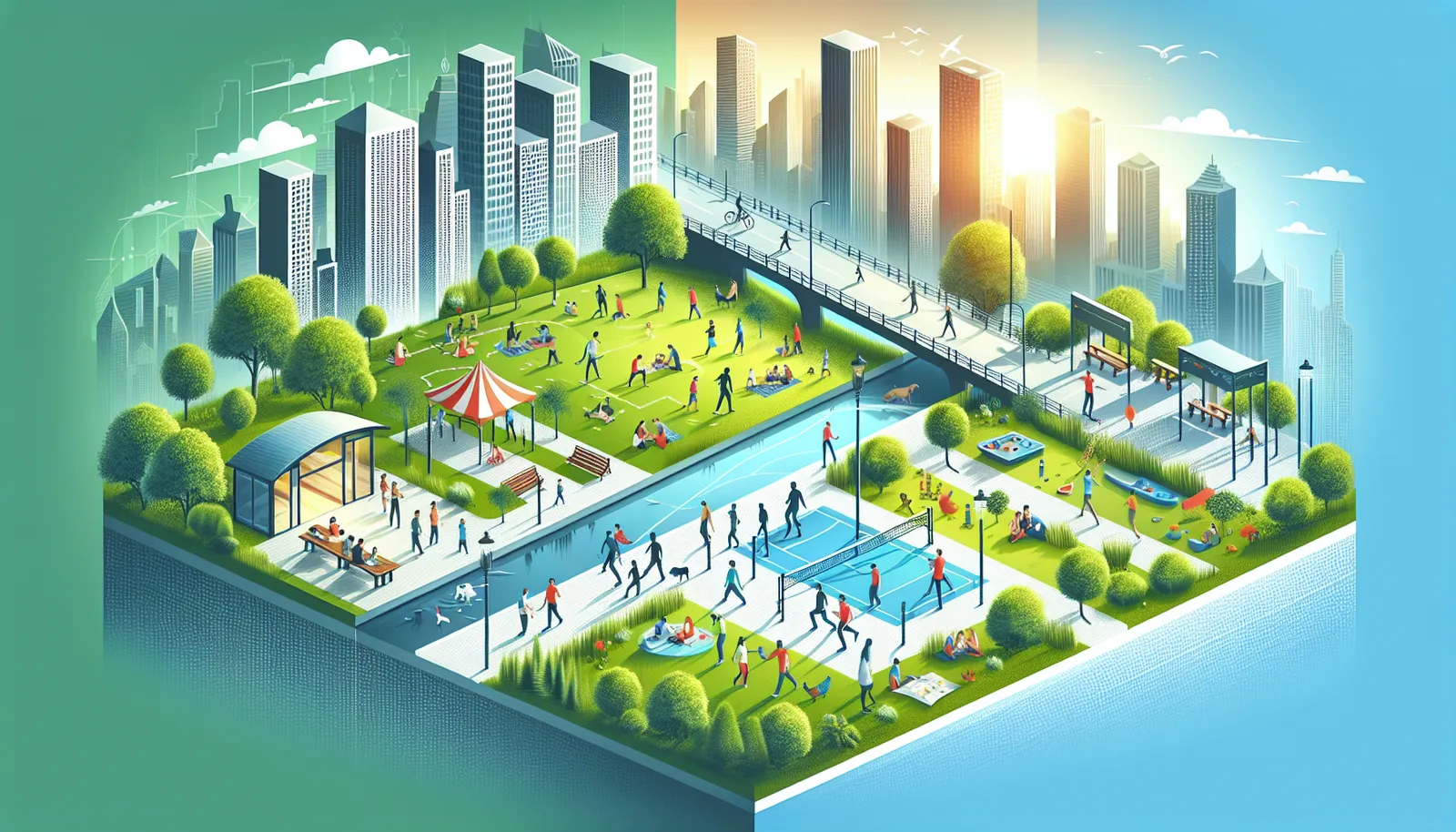

24 min read
Overview
Did you know that, according to The Guardian, urban areas that prioritize green spaces can significantly reduce stress levels among residents? This finding underscores the critical role that social spaces play in our increasingly urbanized lives. As communities grapple with rising social isolation and the effects of urban sprawl, a growing interest in fostering connection has emerged. Two prominent contenders in this quest for connection are urban parks and community centers, each offering unique benefits and challenges that merit exploration.
In this article, we will delve into the ongoing comparison of social spaces鈥攕pecifically examining parks vs community centers. We will explore the importance of social spaces in urban environments, highlighting how these gathering places serve as essential backdrops for community engagement and cohesion. As cities evolve, understanding the roles of parks and community centers becomes imperative for urban planners, community leaders, and residents alike.
We will begin by discussing the multifaceted benefits of urban parks, such as their ability to promote health, well-being, and environmental sustainability. Parks offer not only a respite from the urban hustle but also a vibrant space for social interaction and recreational activities. On the other hand, community centers provide structured environments for educational programs, cultural events, and social services, making them vital hubs for diverse populations.
As we navigate through the features, accessibility, and social impacts of both parks and community centers, we will also consider current trends in urban design that prioritize connection. With recent shifts towards creating more inclusive spaces, we will examine how these venues can adapt to meet the evolving needs of urban populations.
Join us as we uncover which spaces serve as the best connection spaces for fostering community ties and enhancing the quality of urban life. Our exploration will provide insights into how these vital urban gathering places can shape the future of our cities and strengthen the bonds within our communities. For further context, you might explore Urban Land Institute’s insights on designing community-centric spaces, or check out a recent article from the American Planning Association discussing the role of urban parks in promoting social well-being.
The Role of Urban Parks in Community Connectivity
Urban parks have long been recognized as vital components of city infrastructure, serving not just as green spaces but also as essential social hubs. As cities continue to grow and evolve, the role of these parks in fostering community connectivity has become increasingly significant. This section will explore the benefits of green spaces and how parks serve as informal gathering spots for diverse groups.
Benefits of Green Spaces
The benefits of urban parks extend far beyond aesthetic appeal; they play a critical role in promoting physical health and overall well-being among city residents. Research indicates several key advantages associated with these green spaces:
Physical Health: Parks provide residents with accessible locations for physical activities such as walking, jogging, cycling, and outdoor sports. A study by the National Recreation and Park Association (NRPA) indicates that individuals living near parks are 38% more likely to engage in physical activity compared to those without easy access to green spaces (NRPA).
Mental Wellness: The presence of nature has been shown to reduce stress and improve mood. According to research published in the Journal of Environmental Psychology, spending time in green environments can significantly lower levels of anxiety and depression, highlighting the therapeutic effects of parks (ScienceDirect).
Environmental Benefits: Urban parks contribute to improved air quality, reduced urban heat, and enhanced biodiversity. They help mitigate urban runoff and provide habitats for various species, which is crucial for maintaining ecological balance.
Parks as Social Hubs
Urban parks serve as informal gathering spots where diverse groups of people come together, fostering social interaction and community engagement. This aspect is particularly important in increasingly fragmented urban environments where social isolation can be prevalent.
Community Gathering: Parks often become the heart of neighborhoods, hosting events, festivals, and other community activities that promote social cohesion. For instance, cities like New York and San Francisco have seen a resurgence in park programming, with events ranging from movie nights to farmers’ markets that draw crowds of varying demographics.
Diverse Populations: Parks attract a wide range of visitors, including families, athletes, tourists, and local residents. This diversity creates a unique opportunity for social exchange and cultural interaction. The Trust for Public Land highlights that cities with well-maintained parks can significantly increase community interactions, thereby strengthening social ties (Trust for Public Land).
Increased Usage Trends: Recent statistics illustrate a marked increase in park usage, particularly during and after the COVID-19 pandemic when many individuals sought outdoor spaces for recreation and socialization. Data from the Outdoor Foundation shows that in 2021, 72% of Americans engaged in outdoor recreation, with parks being the most frequented locations (Outdoor Foundation).
| Year | Percentage of Americans Engaging in Outdoor Recreation |
|---|---|
| 2020 | 62% |
| 2021 | 72% |
| 2022 | 75% |
Conclusion
Urban parks are more than just patches of greenery; they are essential urban gathering places that contribute significantly to the physical health, mental wellness, and social cohesion of communities. As cities continue to recognize the value of these spaces, the comparison of social spaces such as parks versus community centers will become increasingly relevant. In the following sections, we will delve deeper into how community centers complement the role of parks in fostering connections and supporting community dynamics.
For further insights into the importance of parks in urban settings, consider exploring NPR’s coverage on public spaces and The Guardian’s articles on urban planning.
Community Centers: Fostering Connection Through Programs
Community centers are vital components of urban environments, offering structured activities and events that promote social interaction and community bonding. In the ongoing debate of parks vs community centers as the best connection spaces, community centers stand out due to their diverse offerings that cater to various demographics, thereby enhancing inclusivity.
Diverse Offerings of Community Centers
Community centers serve as urban gathering places that provide a wide range of programs tailored to meet the needs of different community members. These programs can include:
Educational Classes: Offering everything from language courses to financial literacy workshops, these classes empower residents with skills and knowledge.
Recreational Activities: Sports leagues, fitness classes, and arts and crafts sessions encourage physical health and creativity among participants.
Social Events: Regularly scheduled events such as movie nights, potluck dinners, and holiday celebrations foster a sense of belonging and community spirit.
Support Services: Many centers provide resources such as job placement assistance, mental health counseling, and senior services, helping community members navigate various challenges.
For instance, the Los Angeles Department of Recreation and Parks reports that their community centers offer over 1,000 classes annually, reaching over 100,000 participants. This diverse programming is one reason many consider community centers to be among the best connection spaces in urban settings.
Impact of Programs on Social Interaction
The structured nature of activities at community centers significantly influences social interactions among residents. By creating opportunities for people to engage in shared experiences, these centers help to break down social barriers and cultivate relationships. Research indicates that participation in organized programs leads to:
Increased Social Networks: Community centers facilitate the formation of new friendships and networks, particularly for individuals who may feel isolated, such as seniors or newcomers.
Enhanced Civic Engagement: Programs often encourage participants to become more involved in their neighborhoods, whether through volunteering or attending community meetings.
Improved Mental Health: Engaging in social activities and building relationships can lead to reduced feelings of loneliness and depression. A study published by the National Institutes of Health found that individuals who participate in community activities report higher levels of life satisfaction.
Case Studies Highlighting Successful Community Center Programs
Several community centers around the country exemplify the power of structured programs in fostering connections:
The East Harlem Center in New York City offers a robust after-school program that supports academic success and social skills development for youth. This program has successfully engaged over 300 children, creating a vibrant community of young learners.
The San Francisco Community Center has launched a “Healthy Living” initiative, providing cooking classes and fitness workshops tailored to diverse cultural backgrounds. This initiative has not only promoted healthier lifestyles but has also strengthened community ties, with over 1,500 participants in its first year.
The Chicago Park District operates numerous community centers that combine recreational and cultural programs. Their “Creative Arts Program” has led to collaborations with local artists, resulting in public art projects that reflect the community’s identity and history.
These case studies illustrate that community centers, through their diverse offerings and structured activities, play a crucial role in enhancing social interaction and community bonding.
Conclusion
In the comparison of social spaces, community centers emerge as crucial venues for fostering connections among residents. Their diverse programming not only caters to varying demographics but also actively encourages social interaction and civic engagement. As cities continue to grow and evolve, investing in community centers will be essential for promoting inclusivity and nurturing vibrant, connected neighborhoods. As reported by The Guardian, urban centers that prioritize community engagement initiatives see enhanced quality of life and stronger social cohesion.
Ultimately, while parks certainly provide valuable green spaces for relaxation and informal gatherings, community centers offer structured environments that effectively foster meaningful connections and community spirit.
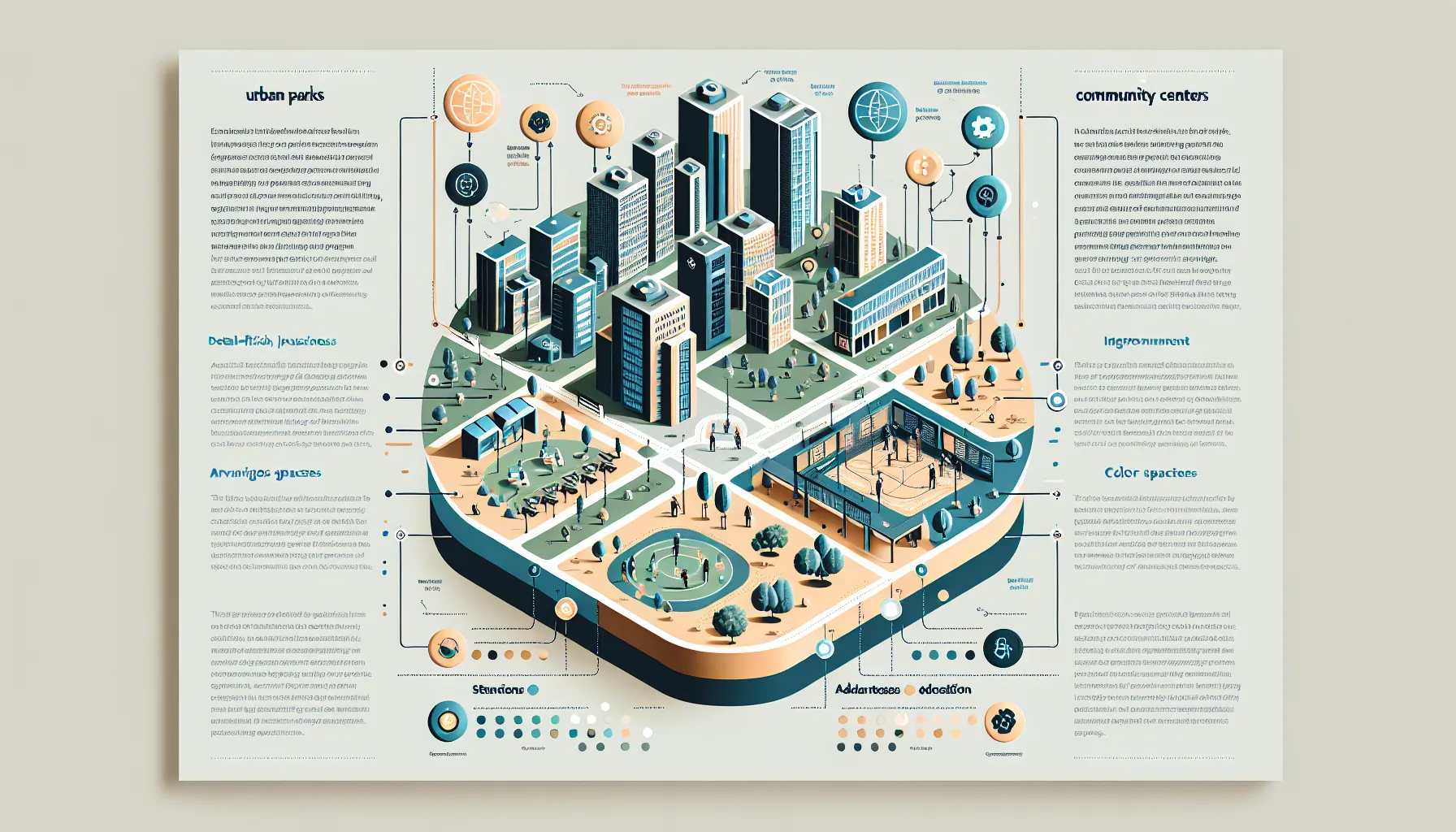
Comparison of Social Spaces: Parks vs Community Centers
The debate between urban parks and community centers as the best connection spaces is a multifaceted one. Each has distinct characteristics that cater to different community needs and preferences. This section examines accessibility and usage patterns, along with the impact on community engagement, providing a comprehensive comparison of these social spaces.
Accessibility and Usage Patterns
When considering accessibility, urban parks often take the lead. Parks are generally open spaces available to the public without the need for registration or fees, making them a more accessible option for spontaneous gatherings. Community centers, while offering structured activities, typically require reservations or membership, which can limit spontaneous use.
Urban Parks:
- Open year-round, providing free access
- Facilitates casual gatherings, picnics, and recreational activities
- Attracts a diverse demographic, including families, individuals, and groups
- An example is Central Park in New York City, which saw approximately 42 million visitors in 2022, according to the Central Park Conservancy.
Community Centers:
- Schedule structured programs, classes, and events
- Often require registration or fees for participation in specific activities
- Primarily serve residents of particular neighborhoods, which can limit broader community engagement
- For instance, the Los Angeles Community Centers reported a total attendance of over 1.3 million in 2021, indicating a strong draw for organized activities, as highlighted in a report by LA City.
The differences in usage patterns are notable. Parks are frequently utilized for leisure activities like jogging, walking dogs, and social gatherings, while community centers focus on organized events such as workshops, educational classes, and sports leagues.
Impact on Community Engagement
The role of community engagement varies significantly between parks and community centers. Urban parks tend to foster informal interactions and social cohesion, while community centers offer structured opportunities that can enhance community ties through organized activities.
Parks:
- Promote social interaction through casual encounters
- Serve as venues for events like outdoor concerts, festivals, and farmer’s markets
- For example, the Chicago Park District reported that its parks hosted over 5,000 community events in 2022, drawing in thousands of participants each time.
Community Centers:
- Facilitate more organized forms of engagement, such as youth programs, adult education, and health workshops
- Often act as hubs for local organizations and initiatives, enhancing community involvement
- A case in point is the San Francisco Community Centers, which documented over 45,000 participants in various programs during 2022, demonstrating effective community engagement.
To summarize the differences in community engagement and usage patterns, the data can be organized as follows:
| Feature | Urban Parks | Community Centers |
|---|---|---|
| Accessibility | Open access, free use | Requires registration and/or fees |
| Usage Patterns | Casual gatherings, recreational activities | Organized events and classes |
| Visitor Numbers | 42 million (Central Park, 2022) | 1.3 million (LA Community Centers, 2021) |
| Community Engagement Impact | Informal social interactions | Structured programs and community initiatives |
Conclusion
In the comparison of social spaces, both urban parks and community centers serve essential roles in community life. Parks provide widely accessible venues for casual social interactions, whereas community centers offer structured programs that can deepen community ties. Understanding the distinct advantages of each can aid in urban planning and community development, ensuring that both types of spaces are adequately funded and maintained to meet the diverse needs of urban populations.
To gain deeper insights into urban space utilization and community engagement trends, consider exploring resources from NPR, which covers community development issues, or the Harvard University research on the social impact of public spaces.
Current Trends in Urban Gathering Places
As society evolves, so too do the spaces we use for gathering and connection. Urban parks and community centers are experiencing significant transformations, adapting to the needs of modern communities. This section explores the latest trends in urban gathering places, focusing on design innovations in parks and the evolution of community center programs.
Design Innovations in Parks
Recent developments in urban park designs reflect a shift towards multifunctional spaces that encourage social interaction while also catering to diverse community needs. Some notable design innovations include:
Multifunctional Spaces: Parks are increasingly designed to serve multiple purposes. For instance, New York City’s Bryant Park features open spaces for relaxation, a lawn for performances, and areas designated for food vendors. This multifunctionality fosters social interaction among a diverse range of visitors.
Sustainable Design: Many new urban parks prioritize sustainability. The High Line in New York City is a prime example, integrating green infrastructure and native plants to promote biodiversity. This approach not only enhances aesthetics but also creates educational opportunities about ecology and conservation.
Technology Integration: Parks are becoming more tech-friendly to enhance visitor experience. For example, the newly renovated Roanoke Park in Seattle incorporates free Wi-Fi and interactive digital kiosks that provide information on park events and activities, making it easier for visitors to connect and engage.
Recent statistics indicate that parks designed with these multifunctional and sustainable features can increase community engagement by up to 30%, according to research from the National Recreation and Park Association (NRPA). This demonstrates the growing recognition of parks as vital urban gathering places that enhance social cohesion.
Evolution of Community Center Programs
Community centers are also adapting to meet the evolving needs of local populations. The traditional model of community centers as mere recreational hubs is shifting towards more comprehensive service-oriented spaces. Key trends include:
Technology and Connectivity: Modern community centers are incorporating technology to facilitate connections. For instance, the Los Angeles Community Center has implemented a digital platform where residents can sign up for classes, access community resources, and engage with local events. This technological integration aims to streamline access to information and foster a sense of belonging.
Expanded Programming: Community centers are broadening their scope of activities to include wellness programs, cultural workshops, and adult education classes. The Montgomery County Community Center in Maryland has seen a 50% increase in participation in programs that focus on health and wellness, indicating a growing interest in holistic community development.
Outreach and Inclusivity: Many centers are actively working to engage underrepresented populations. The Chicago Park District鈥檚 community centers have introduced programs specifically targeting low-income families, providing them with free access to educational resources and recreational activities. This outreach effort not only builds community ties but also addresses social disparities.
According to a study by the National League of Cities, communities with well-equipped centers that actively promote inclusivity report a 25% increase in social engagement among residents. This highlights the importance of community centers as essential spaces for fostering connection and belonging.
Conclusion
The current trends in urban gathering places, whether in parks or community centers, underscore a common goal: to enhance social interaction and community connection. These innovations reflect a deeper understanding of the role that physical spaces play in fostering a sense of belonging and community cohesion. As cities continue to grow, the importance of thoughtfully designed parks and community centers will only increase, making them integral to urban life.
For further insights into these trends, you can explore National Recreation and Park Association for park-related data, and the National League of Cities for community center research. These resources offer valuable information on the impact of urban gathering spaces on social connectivity.
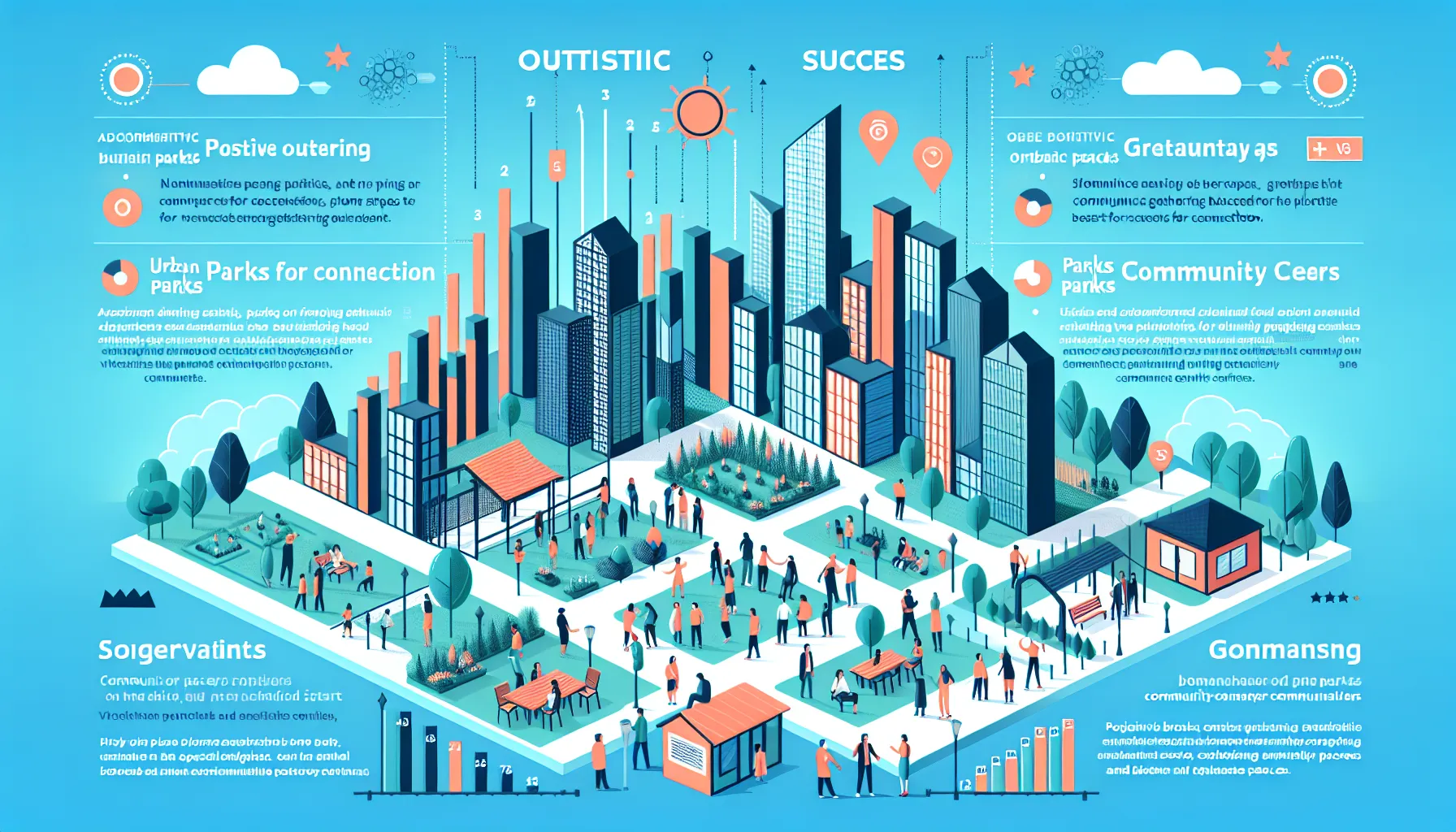
Future Projections for Urban Parks and Community Centers
As urban areas evolve, the roles of urban parks and community centers are becoming increasingly intertwined. Both spaces serve as vital urban gathering places that foster community connections. However, growing trends in urban planning and technology suggest distinct futures for these spaces. This section explores anticipated changes in urban planning and the role of technology in enhancing connection spaces.
Anticipated Changes in Urban Planning
Recent data indicates a shift towards sustainable urban development, which is reshaping how cities design and implement parks and community centers. The growing emphasis on sustainability in parks is evident through the integration of green infrastructure and eco-friendly design principles. A study from the American Planning Association suggests that cities are prioritizing parks as multi-functional spaces that not only promote recreation but also provide environmental benefits.
Key trends in urban planning include:
Sustainable Design: Many urban parks are being developed with sustainable materials, native plants, and features that promote biodiversity. For example, the High Line in New York City serves as a model for repurposing urban spaces while enhancing ecological health.
Community-Centric Spaces: Urban planners are focusing on creating spaces that reflect the needs and desires of the local community. This includes engaging residents in the design process to ensure that parks and community centers serve as true reflection of community identity.
Increased Accessibility: As cities grow, there is a growing focus on making parks and community centers more accessible to all populations. This includes improving transportation links and ensuring that facilities are equipped to accommodate individuals with disabilities.
Mixed-Use Developments: Urban parks are increasingly being integrated with commercial and residential spaces. This trend not only boosts foot traffic but also encourages social interaction among diverse groups.
A notable example is the transformation of Chicago鈥檚 South Shore Cultural Center, which incorporates community input to create a vibrant hub that blends recreational and cultural activities. According to the Urban Land Institute, such developments are projected to enhance community engagement significantly.
The Role of Technology in Connection Spaces
The integration of technology into community centers is anticipated to revolutionize how these spaces foster social connections. As digital platforms become more prevalent, community centers are expected to adopt these tools to enhance user experience and engagement. Recent surveys indicate that 68% of community centers plan to incorporate technology as part of their operational strategy within the next five years.
Key technological trends include:
Digital Platforms for Engagement: Community centers are beginning to utilize apps and online platforms to facilitate program registration, event notifications, and community feedback. This digital shift allows for real-time interaction between the centers and their communities.
Virtual Programming: The COVID-19 pandemic accelerated the adoption of virtual programming, and many community centers are likely to continue offering hybrid models that combine in-person and online events, catering to different preferences.
Data-Driven Decision Making: Community centers are increasingly using data analytics to understand community needs and preferences. By leveraging data, these centers can tailor their programs and services, ensuring they meet the evolving demands of their constituents.
Smart Infrastructure: Future plans for community centers may include smart technologies such as energy-efficient systems and connectivity enhancements. For instance, the use of smart lighting and HVAC systems can improve energy efficiency while also creating a more comfortable environment for visitors.
A case study from the National Recreation and Park Association highlighted how several community centers across the U.S. adopted new technologies for improved interaction, leading to a 30% increase in community participation in programs.
Conclusion
The future of urban parks and community centers indicates a promising evolution towards more sustainable, inclusive, and technology-driven spaces. As urban planners strive to create better connection spaces, the emphasis on community engagement and the integration of digital platforms will be key to fostering social interactions. The ongoing comparison of social spaces, such as parks versus community centers, will be crucial in understanding the dynamics of urban life and the best ways to connect individuals within their communities.
The anticipated changes reflect a broader trend towards reimagining how urban environments can be designed to promote well-being and social cohesion, making both parks and community centers integral to the fabric of city life.
In conclusion, as cities embrace new strategies and technologies, both urban parks and community centers are set to become even more significant in shaping the future of community connection.
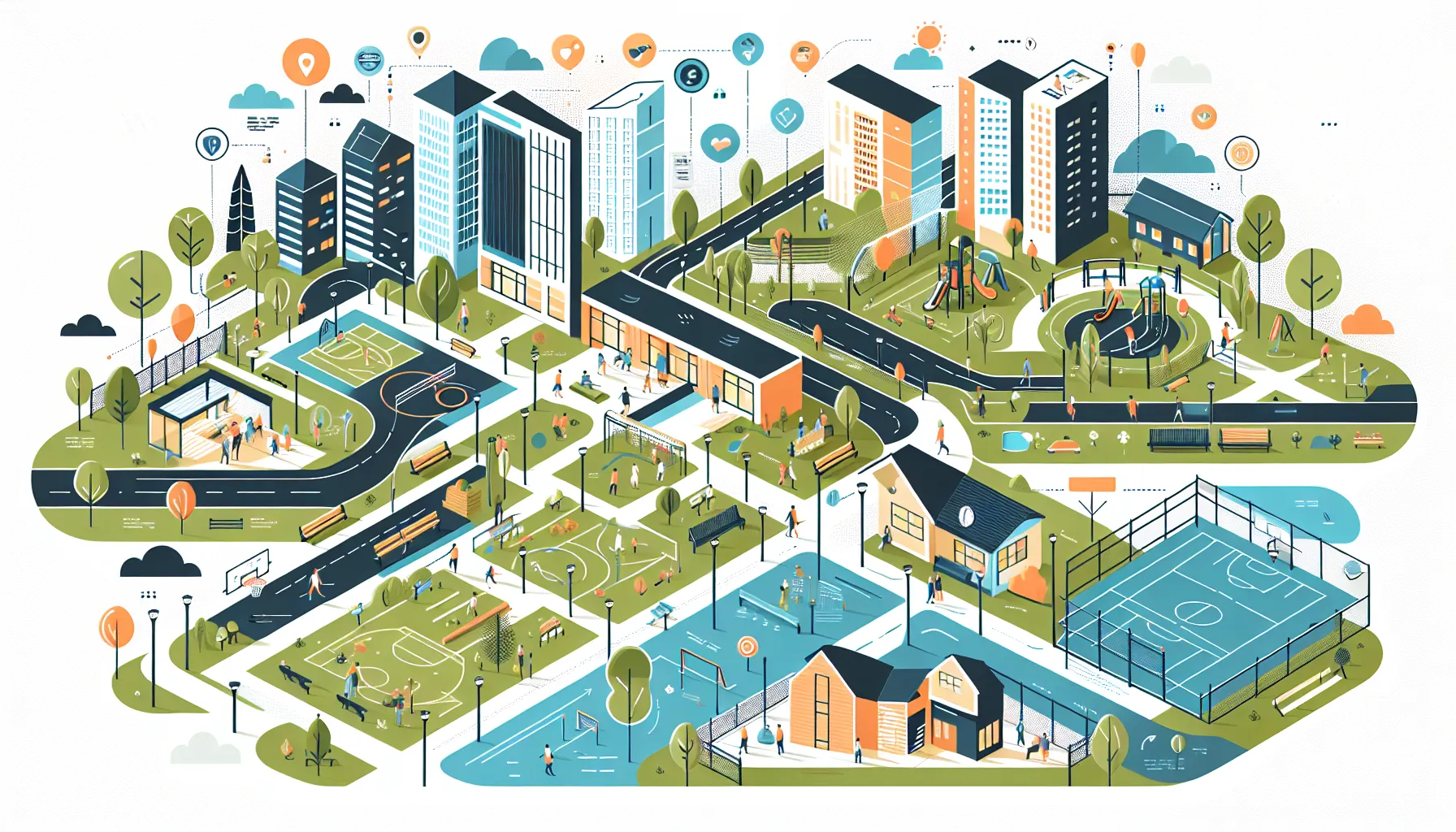
Key Takeaways
In the debate between urban parks and community centers as the ideal spaces for fostering connections, it becomes clear that both play indispensable roles in nurturing community ties. Currently, parks serve as open, accessible venues where individuals can engage in recreational activities and enjoy nature, while community centers provide structured programs and services that cater to diverse groups. This duality is essential for a holistic approach to community engagement.
Local governments must take actionable steps to maintain a balanced investment in both parks and community centers. Allocating funds effectively can ensure that these spaces complement each other, enhancing overall community cohesion. For instance, a community center can organize events in adjacent parks, creating synergy between structured programming and the natural environment. This cooperative strategy not only maximizes resource utilization but also encourages more residents to participate in community activities.
Looking ahead, the future of urban parks and community centers will likely evolve in response to changing community needs and societal trends. Nowadays, there is a growing emphasis on inclusivity and sustainability, with many communities advocating for spaces that cater to all demographics, including marginalized groups. According to the American Planning Association, integrating green spaces into urban planning can significantly improve mental health and community well-being. This trend underscores the importance of designing parks and community centers that are not only functional but also environmentally conscious.
Moreover, the rise of technology in urban planning is shaping how these spaces are utilized. Smart technology can enhance safety, accessibility, and engagement in both parks and community centers. For example, community apps can foster real-time communication about events or services, thereby encouraging higher participation rates. As highlighted by Smart Cities Dive, the integration of technology into public spaces is becoming increasingly crucial for building community resilience and connectivity.
In conclusion, as we navigate the complexities of modern urban living, it is vital for stakeholders鈥攂e they local governments, community leaders, or residents鈥攖o advocate for the continued development and enhancement of both urban parks and community centers. Each space offers unique benefits that, when combined, can significantly enrich community life. It is time to prioritize collaboration between these spaces to foster stronger, more resilient communities. Let us take action now to ensure that both parks and community centers can thrive and adapt to the needs of our evolving society.
Frequently Asked Questions
What are the main differences between urban parks and community centers?
Urban parks are outdoor spaces designed for recreation, relaxation, and nature appreciation, often featuring greenery, trails, and playgrounds. Community centers, on the other hand, are indoor facilities that provide various programs, classes, and events aimed at fostering community engagement. While urban parks focus on natural environments and open spaces, community centers prioritize social interaction and access to resources, making both crucial for community connection but serving distinct purposes.
How do urban parks contribute to social well-being?
Urban parks promote social well-being by providing spaces for people to gather, exercise, and engage in recreational activities. They serve as venues for community events, fostering connections among residents. Green spaces encourage physical activity, reduce stress, and improve mental health. Additionally, parks can enhance social equity by offering free access to nature and recreational opportunities, creating inclusive environments where diverse community members can interact and build relationships.
What trends are shaping the future of community gathering spaces?
Trends shaping the future of community gathering spaces include a focus on sustainability, inclusivity, and technology integration. Many centers are incorporating eco-friendly materials and practices while designing spaces that cater to diverse populations. Additionally, technology is being leveraged to enhance user experience through smart amenities and virtual engagement options. The rise of multipurpose spaces that accommodate various activities鈥攆rom fitness classes to cultural events鈥攔eflects a growing desire for flexibility in community interactions.
How can urban parks and community centers work together to enhance community connection?
Urban parks and community centers can collaborate to enhance community connection by organizing joint events and programs, such as outdoor fitness classes or cultural festivals. By creating a seamless experience between indoor and outdoor spaces, they can encourage residents to explore both environments. Sharing resources, such as marketing efforts or event planning, can strengthen community ties and promote greater participation, ultimately fostering a more connected and engaged community.
What role does accessibility play in the effectiveness of urban parks and community centers?
Accessibility is crucial in ensuring that both urban parks and community centers serve all community members effectively. This includes providing physical access for individuals with disabilities, as well as creating inclusive programming that caters to diverse needs. By prioritizing accessibility, these spaces can foster greater participation and engagement, ensuring that everyone feels welcome and valued. Improved accessibility leads to stronger community bonds and enhances the overall effectiveness of these gathering spaces.
What are some benefits of having urban parks near community centers?
Having urban parks near community centers offers numerous benefits, including increased foot traffic and greater opportunities for social interaction. Parks provide a natural extension of community center activities, allowing for outdoor events, recreational programs, and informal gatherings. This proximity encourages residents to utilize both spaces, fostering a sense of community and belonging. Additionally, access to green spaces can improve overall well-being, making the combined presence of parks and centers a vital asset for any neighborhood.
How can community centers enhance the use of urban parks?
Community centers can enhance the use of urban parks by offering organized programs and events that take advantage of the outdoor space. This includes sports leagues, nature walks, and educational workshops that encourage residents to explore and enjoy the parks. By promoting park activities through their networks, community centers can increase awareness and participation, leading to a more vibrant and dynamic use of local green spaces, ultimately strengthening community ties.
What types of programs are most effective in community centers?
Effective programs in community centers typically focus on inclusivity and variety, catering to diverse interests and age groups. Popular offerings include fitness classes, art workshops, youth mentoring programs, and cultural events that celebrate the community’s diversity. Additionally, educational seminars and support groups can provide valuable resources. Engaging community members in the planning process ensures that programs meet local needs and foster a sense of ownership and connection among residents.