
Understanding the Role of Local Government in Combating Loneliness
Explore how local government combats loneliness through community initiatives, urban policy, and support systems.


28 min read
What You Need to Know
Recent data indicates that over 40% of adults report feeling lonely on a regular basis, highlighting loneliness as an emerging public health concern that permeates diverse populations. This growing epidemic of isolation not only affects mental health but also poses significant risks to physical well-being, making it imperative for communities to take action. Local governments are uniquely positioned to combat loneliness through targeted initiatives that foster connection and support. By understanding the evolving landscape of loneliness, including current trends and data, we can develop effective strategies to alleviate its grip on our society.
This article will delve into the crucial role that local governments play in addressing isolation through community initiatives, discussing innovative programs and policies designed to bring people together. We will explore the multifaceted nature of loneliness, examining how various demographics are impacted and the importance of tailored approaches to meet their needs. Additionally, we’ll highlight successful urban policy examples that demonstrate how government intervention can effectively reduce loneliness and enhance community cohesion.
As we navigate this pressing issue, it is essential to recognize that combating loneliness is not solely the responsibility of individuals or families; rather, it requires a collaborative effort that includes local government engagement. By leveraging resources and implementing supportive community initiatives, local governments can create environments where people feel connected and valued. For instance, recent studies emphasize the effectiveness of community building events, social programs, and outreach efforts that specifically target vulnerable groups, such as the elderly and those facing socioeconomic challenges. A recent article in Health Affairs discusses how public health strategies can be integrated into local governance to address these issues more effectively.
As we uncover the role of local government in combating loneliness, it becomes evident that understanding current trends, data, and best practices is vital for developing effective strategies. The fight against isolation is a complex challenge, but with concerted efforts and innovative thinking, local governments can lead the way in fostering connected communities. Join us as we explore the intersection of local government policy and community support in the battle against loneliness, and discover how collaborative solutions can pave the way for a more connected future.
The Prevalence of Loneliness in Modern Society
Understanding Loneliness
Loneliness is increasingly recognized as a significant public health concern, impacting mental and physical well-being across various demographics. Defined as the subjective feeling of social isolation or the perception that one is not connected to others, loneliness is more than just a fleeting emotion; it can lead to severe consequences if left unaddressed. According to recent research from the U.S. Surgeon General, nearly 1 in 2 adults reported experiencing loneliness, highlighting its prevalence in contemporary society. This statistic underscores the urgency for effective local government interventions to combat loneliness and isolation.
Recent studies indicate that loneliness can have profound effects on both mental health and physical health. Individuals suffering from chronic loneliness are at a higher risk for conditions such as anxiety, depression, and even cardiovascular diseases. The World Health Organization has identified social isolation as a key factor contributing to the global burden of disease.
Demographic Trends
Certain demographics are particularly vulnerable to loneliness, demonstrating varied experiences based on age, living situation, and social networks. Notably, the elderly and young adults emerge as two primary groups at risk.
Elderly Population:
- A significant percentage of older adults report feelings of loneliness. A survey conducted by AARP found that nearly 35% of adults aged 45 and older feel lonely, with the rate rising to over 40% among those aged 65 and older.
- Factors contributing to loneliness in this demographic include retirement, loss of loved ones, and diminished social networks. Local governments can address these issues through community initiatives that provide social engagement opportunities, such as senior centers and group activities.
Young Adults:
- Surprisingly, loneliness is also prevalent among young adults. A study by Cigna revealed that 61% of young adults (ages 18-24) reported feeling lonely, a figure that is significantly higher than in older populations.
- Contributing factors include the rise of digital communication, which, while connecting individuals, often fails to provide the emotional support and companionship that face-to-face interactions offer. Local governments can play a crucial role in creating environments conducive to socializing, such as public parks, community events, and youth programs.
The following table summarizes the prevalence of loneliness across different age groups:
| Age Group | Percentage Reporting Loneliness |
|---|---|
| 18-24 | 61% |
| 45+ | 35% |
| 65+ | 40% |
Importance of Community Initiatives
Community initiatives designed to support social connections are essential in combating loneliness. Local governments can facilitate programs that encourage community engagement and foster relationships among residents. These initiatives may include:
- Social Events: Organizing community gatherings, festivals, and support groups that promote interaction among residents.
- Volunteer Programs: Encouraging residents to participate in local volunteer opportunities not only helps those in need but also creates connections among volunteers.
- Mental Health Resources: Providing access to mental health services and counseling can help those struggling with loneliness and isolation.
In addition, urban policy plays a pivotal role in shaping environments that either promote or hinder social interactions. Well-designed public spaces, such as parks and community centers, can serve as vital gathering spots that encourage socialization.
Local governments need to evaluate their urban policies and consider how they can create spaces that combat isolation and foster community ties. For instance, urban planners could prioritize walkable neighborhoods or create public spaces that encourage gatherings.
Conclusion
The prevalence of loneliness in modern society is a complex issue that requires a multifaceted approach. Local governments have a pivotal role in addressing loneliness through community initiatives and thoughtful urban policy. By recognizing the unique challenges faced by various demographics, they can implement targeted strategies to foster social connections and reduce isolation. The need for action is urgent, as the health and well-being of individuals and communities depend on it.
For further insights on this topic, you can refer to the following sources:
- AARP on Loneliness in Older Adults
- Cigna’s Loneliness Index
- World Health Organization on Social Isolation
Local Government’s Role in Addressing Loneliness
Loneliness has emerged as a significant public health issue, with local governments increasingly recognizing their role in combating this pervasive problem. As urban environments become more populated, feelings of isolation can proliferate, making effective local government interventions crucial. This section explores the policy frameworks and resource allocation strategies that local governments are employing to address loneliness and isolation within communities.
Policy Frameworks
Local governments are developing targeted policies aimed at reducing isolation and promoting social connectivity. These frameworks often include:
Community Engagement Initiatives: Local governments are spearheading programs designed to engage residents actively. For instance, initiatives that encourage volunteerism not only foster community bonds but also provide individuals with a sense of purpose. A recent report from the Campaign to End Loneliness highlights that communities with higher volunteer rates report lower feelings of loneliness (Campaign to End Loneliness, 2023).
Mental Health Support Services: Recognizing the link between loneliness and mental health, many local governments are integrating mental health services into their community health frameworks. Cities like New York have implemented mental health outreach programs that address social isolation, particularly among vulnerable populations such as the elderly and low-income residents.
Urban Policy and Loneliness: Local urban policy is increasingly focusing on creating environments conducive to social interaction. For example, initiatives that promote walkable neighborhoods and public spaces can enhance community engagement. Research from the Urban Institute shows that well-designed public spaces can significantly reduce feelings of loneliness by providing venues for social interaction (Urban Institute, 2023).
Resource Allocation
Effective resource allocation is essential for implementing community initiatives that support social connections. Local governments must prioritize funding for programs and services that directly address loneliness. Key approaches include:
Funding Community Centers: Local governments are investing in community centers that serve as hubs for social activity. These centers often host various activities, from fitness classes to social events, aimed at bringing community members together. For example, the City of Seattle has allocated significant funds to community centers, which have reported increased attendance and participation in social programs (Seattle Times, 2023).
Outreach Programs: Tailored outreach programs targeting specific demographics, such as seniors or young adults, are essential. These programs often include home visits, social gatherings, and technology training to help individuals connect with others. In recent years, cities like San Francisco have launched outreach initiatives that have successfully connected isolated individuals with community resources and social networks.
Collaboration with Nonprofits: Local governments can enhance their impact by collaborating with nonprofit organizations focused on social connectivity. Partnerships can help leverage additional resources and expertise. For instance, in Los Angeles, the city has partnered with local nonprofits to create the “Together LA” initiative, which aims to reduce isolation among homeless populations through social support networks (Los Angeles Times, 2023).
Current Trends and Case Studies
Several noteworthy trends and case studies highlight the effectiveness of local government initiatives in addressing loneliness:
Data-Driven Decision Making: Local governments are increasingly relying on data to inform their loneliness reduction strategies. For example, the City of Boston has implemented a data collection system to monitor social engagement and loneliness levels across different neighborhoods, enabling targeted interventions based on empirical evidence.
Innovative Technology Solutions: The rise of technology has enabled local governments to explore innovative solutions to combat loneliness. Virtual social platforms, developed in partnership with tech companies, are being used to connect residents, particularly during times of social distancing. The City of Toronto launched a virtual community portal that facilitates online events and social interactions, helping to maintain social ties during the pandemic.
Long-term Commitment: Loneliness reduction is increasingly viewed as a long-term commitment rather than a short-term initiative. The City of London has established a comprehensive strategy that integrates loneliness reduction into various policy areas, including housing, mental health, and urban planning. This holistic approach ensures that loneliness is consistently addressed across different sectors.
Conclusion
Local governments play a pivotal role in combating loneliness through targeted policy frameworks and strategic resource allocation. By investing in community initiatives, supporting mental health services, and fostering urban environments that encourage social interaction, local authorities can significantly reduce feelings of isolation among their residents. As the issue of loneliness continues to gain recognition, the importance of effective local government strategies will only grow.
For more insights on the connection between urban planning and community well-being, you can refer to NPR’s coverage on urban loneliness and The Guardian’s analysis of social isolation.
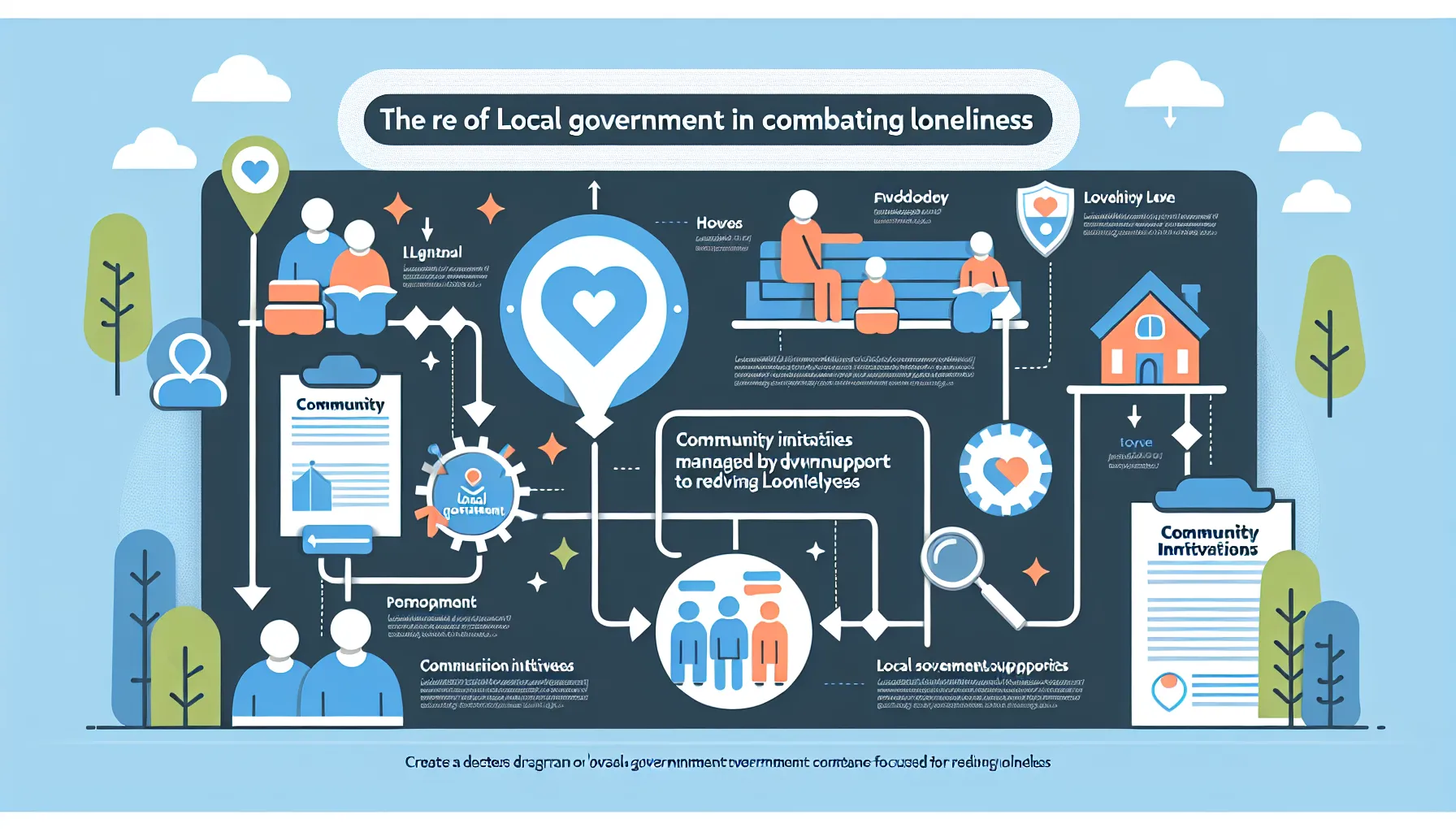
Community Initiatives and Support Systems
Local governments play a pivotal role in combating loneliness through community initiatives and support systems. By fostering social connections and creating opportunities for residents to engage with one another, these efforts can significantly mitigate feelings of isolation. The collaboration between local governments and non-profit organizations has become increasingly vital in enhancing social cohesion and addressing the pervasive issue of loneliness.
Volunteer Programs
Volunteer programs are central to community-driven efforts aimed at reducing loneliness. These programs not only offer residents avenues to contribute but also foster connections among individuals through shared activities. Local governments often partner with non-profits to design and implement these initiatives, ensuring they meet the specific needs of their communities.
Some noteworthy examples include:
Community Service Days: Many local governments organize annual community service days where residents come together to work on projects that benefit the community, such as park clean-ups, food drives, or neighborhood beautification efforts. Participation in these events encourages social interaction and helps participants forge new friendships.
Mentorship Programs: Initiatives that connect younger individuals with seniors or experienced professionals serve dual purposes: they provide mentorship while also reducing the loneliness often felt by older adults. For instance, a program in San Diego pairs high school students with senior citizens to share skills and stories, creating intergenerational bonds that are beneficial to both groups.
Recent statistics highlight the effectiveness of volunteerism in combating loneliness. According to a study by the Corporation for National and Community Service, volunteers experience a 27% increase in their overall happiness levels compared to non-volunteers, indicating that giving back can significantly enhance personal well-being.
Social Cohesion Activities
Local governments are also facilitating social cohesion activities that encourage community engagement. These activities often take the form of social events, workshops, and cultural festivals that bring residents together and help foster a sense of belonging.
Examples of successful social cohesion initiatives include:
“Meet Your Neighbors” Programs: Such programs are designed to encourage residents to engage with one another, often through informal gatherings like block parties or neighborhood picnics. For instance, a program in Portland, Oregon, called “Neighbor Nights” invites residents to meet at local parks for games, food, and socializing, creating an environment that nurtures community ties.
Community Arts Projects: Art initiatives that involve community participation, such as mural painting or public art installations, not only beautify neighborhoods but also instill a sense of pride and ownership among residents. A recent project in Austin, Texas, engaged local artists and residents to collaborate on a mural that reflects the history and diversity of the community, thus promoting social interaction and cultural exchange.
Local governments are increasingly recognizing the importance of urban policy in addressing loneliness. By integrating social cohesion activities into their urban planning and development strategies, they can create more inclusive and connected communities.
Collaboration with Non-Profits
The collaboration between local governments and non-profit organizations is essential in implementing effective community initiatives. Non-profits often have the expertise and resources to address specific issues related to loneliness and can help local governments tailor their programs to meet community needs.
For example, a partnership between a local government and a mental health non-profit in Chicago led to the development of community wellness workshops that address loneliness and social isolation. These workshops not only provide valuable information but also create a supportive environment where participants can connect with others facing similar challenges.
Conclusion
Community-driven programs and support systems are essential in combating loneliness, and local governments, through collaborative efforts with non-profits, are at the forefront of this movement. By developing volunteer programs and social cohesion activities, they foster connections that can significantly reduce feelings of isolation among residents. With recent studies indicating that approximately 61 million adults in the United States report feeling lonely, as highlighted by the Harvard Graduate School of Education, the importance of these initiatives cannot be overstated.
As local governments continue to evolve their urban policy around loneliness, the integration of community initiatives will remain a crucial component in building resilient and connected neighborhoods. By investing in social infrastructure, they not only enhance the well-being of their residents but also lay the foundation for thriving, supportive communities.
Urban Policy and Loneliness: Creating Connection-Friendly Spaces
As urban areas continue to grow, the challenge of loneliness becomes increasingly evident. Local governments play a critical role in combating isolation through thoughtful urban policy. By designing inclusive public spaces and ensuring accessible transportation, local authorities can foster environments that promote social interactions and community engagement.
Designing Inclusive Public Spaces
Urban planning significantly impacts the social landscape of communities. A well-designed public space can serve as a catalyst for connection among residents, particularly those who may experience loneliness.
Parks and Community Gardens: Integrating parks and community gardens into urban design encourages gatherings and socializing. For example, the design of the High Line in New York City transformed an old railway into a lush public park, attracting millions of visitors each year and providing a venue for social interactions. According to a study published in the journal Environment and Behavior, access to green spaces has been linked to reduced feelings of loneliness and improved overall well-being.
Multi-Use Spaces: Cities are increasingly adopting multi-use public spaces that accommodate various activities. The redevelopment of public squares, like the Plaza de la Ciudadela in Mexico City, has created vibrant areas for cultural events, markets, and community gatherings. This not only revitalizes neighborhoods but also encourages social connections among diverse populations.
Inclusive Design Principles: Local governments must consider the diverse needs of their communities when designing public spaces. Features such as wheelchair accessibility, comfortable seating, and clear signage can make a significant difference. A report from the American Planning Association highlights that inclusive design can increase participation in community events, thereby reducing isolation.
Transport and Accessibility
Accessible public transportation is crucial for connecting isolated individuals to community resources and social opportunities. Local governments are increasingly recognizing the importance of transport systems in alleviating loneliness.
Public Transit Systems: Efficient public transit systems can significantly reduce feelings of isolation. For instance, cities like London have improved their bus and subway networks to cater to various demographics. The Transport for London (TfL) report indicates that 77% of Londoners feel that public transport enables them to engage with their community more effectively.
Community Shuttles: In many urban areas, community shuttle programs are being implemented to assist those who may not have access to traditional public transport. For example, the city of Austin, Texas, has introduced a pilot program offering free rides to seniors and individuals with disabilities. This initiative not only improves mobility but also fosters social interactions among riders.
Bicycle Infrastructure: Encouraging cycling as a mode of transportation can also facilitate social connections. The city of Copenhagen is renowned for its extensive cycling infrastructure, which includes bike lanes and rental schemes. A study from the Journal of Transport and Health found that increased cycling in urban areas correlates with lower levels of loneliness, as cyclists are more likely to engage with their surroundings and other residents.
Conclusion
Urban policy plays a vital role in combating loneliness through the creation of connection-friendly spaces. By prioritizing inclusive public spaces and enhancing transport accessibility, local governments can significantly improve the social fabric of their communities. As urban areas continue to evolve, the government鈥檚 role in addressing isolation will remain paramount.
Recent initiatives and research underscore the importance of community-focused urban design. Local authorities must collaborate with residents to create environments that not only accommodate daily needs but also promote social interaction.
For more insights on loneliness and urban policy, you may find valuable information in the resources provided by NPR and the American Planning Association.
With these strategies in place, we can work towards building communities that thrive on connection and support, ultimately reducing feelings of loneliness and isolation among residents.

Measuring the Impact of Local Government Initiatives
As local governments increasingly recognize the importance of addressing loneliness and social isolation, measuring the impact of their initiatives becomes essential. Evaluating the effectiveness of these programs not only helps refine strategies but also ensures that resources are allocated efficiently. Incorporating community feedback is critical to understanding the needs of the population and improving existing programs. This section will explore the methodologies used for assessment and the importance of feedback mechanisms in shaping local government responses to loneliness.
Evaluating Effectiveness
To effectively combat loneliness, local governments must establish clear metrics for evaluating the outcomes of their community initiatives. Various methods can be employed to assess the impact of these programs:
Surveys: Local governments often conduct surveys to gauge the effectiveness of their initiatives. For example, a community survey in Bristol, UK, revealed that 70% of participants in local social programs reported feeling less lonely after six months of involvement. This data can provide valuable insights into the overall effectiveness of specific initiatives.
Focus Groups: Engaging with small groups of participants through focus group discussions allows local governments to gather qualitative data. For instance, a focus group organized by the City of Melbourne highlighted the need for more outdoor spaces for social interaction, leading to the development of new community parks.
Statistical Analysis: By analyzing local crime rates, hospital admissions related to mental health issues, and other relevant statistics, local governments can draw correlations between implemented initiatives and broader community well-being. A study conducted by the University of California found that communities that invested in social cohesion programs saw a 25% decrease in emergency room visits related to anxiety and depression among older adults.
Case Studies: Documenting specific case studies of successful initiatives can serve as a model for other local governments. For example, the “Better Together” initiative in Massachusetts effectively reduced loneliness through a combination of community events, outreach, and partnership with local organizations. The initiative reported a 40% increase in participation in community events among seniors.
Feedback Mechanisms
Incorporating community feedback is vital for understanding the real needs of residents and ensuring that loneliness initiatives are effective. Notable mechanisms include:
Regular Community Meetings: Holding open forums allows residents to voice their opinions and experiences directly. In Seattle, regular community meetings focused on mental health have led to increased awareness and participation in loneliness initiatives.
Online Feedback Platforms: In the digital age, local governments can leverage technology to gather feedback. For example, the City of Toronto launched an online platform where residents can provide input on social programs, facilitating real-time adjustments based on community needs.
Follow-Up Assessments: Conducting follow-up assessments after the implementation of programs helps track changes over time. The City of San Francisco has implemented a system where participants in loneliness programs are re-surveyed six months post-participation, allowing the city to measure long-term impacts.
Conclusion
The role of local government in combating loneliness is complex and multifaceted. Evaluating the effectiveness of community initiatives and incorporating feedback mechanisms are critical steps in ensuring that efforts are aligned with the needs of residents. Continuous assessment through surveys, focus groups, and statistical analysis helps local governments refine their strategies, while regular community engagement fosters a sense of ownership among residents. By prioritizing these metrics and feedback systems, local governments can significantly enhance their role in addressing loneliness and isolation within their communities.
Recent studies highlight that approximately 1 in 5 adults experience chronic loneliness, emphasizing the urgent need for effective local government interventions (NPR). The evidence gathered through these methodologies not only informs better urban policy but also serves as a beacon for other communities striving to combat the pervasive issue of loneliness.
For a comprehensive understanding of the impact of social isolation and community initiatives, the World Health Organization provides extensive resources and research that can guide local governments in their efforts. Additionally, data from the Harvard T.H. Chan School of Public Health offers valuable insights into the mental health implications of loneliness, further underscoring the importance of addressing this issue at the local level.
Future Projections and Emerging Trends
As local governments strive to address the pervasive issue of loneliness, future projections and emerging trends will play a significant role in shaping their strategies. The dual impact of technological innovations and evolving policies is expected to redefine how communities combat isolation.
Technological Innovations
Emerging technologies hold the potential to both alleviate and exacerbate loneliness. Social media platforms, for instance, provide avenues for connection, but they can also contribute to feelings of isolation if not used mindfully. Recent research indicates that approximately 40% of individuals report feeling more isolated despite increased online interactions. This dichotomy highlights the complexity of the relationship between technology and loneliness.
Innovative Apps: Several applications are being developed to foster connections based on shared interests and activities. For example, platforms like Meetup and Bumble BFF facilitate friendships by allowing users to find others with similar hobbies or interests. According to a report by the Pew Research Center, 57% of adults have used online platforms to make new friends, demonstrating the potential of technology in bridging social gaps.
Virtual Reality (VR): VR technologies are emerging as a tool to combat loneliness, especially among seniors. Programs like Rendever allow users to experience shared activities in virtual environments, enabling social interaction without the need for physical presence. A study published in the Journal of Medical Internet Research found that VR experiences significantly reduced feelings of isolation among elderly participants.
Telehealth Services: The rise of telehealth platforms is also noteworthy, as they provide mental health support to individuals who may otherwise feel isolated. Services such as Talkspace and BetterHelp offer accessible therapy options, allowing users to engage with mental health professionals from the comfort of their homes. Recent data shows that mental health platforms have seen a 300% increase in usage since 2020, emphasizing the growing importance of mental health in combating loneliness.
Policy Evolution
As local governments recognize the critical role they play in addressing loneliness, future policies are expected to focus increasingly on mental health and well-being as integral parts of public health initiatives.
Community Initiatives Support: Local governments are likely to intensify their support for community-based initiatives aimed at reducing isolation. Programs that promote social engagement through community centers, libraries, and parks are essential in fostering connections among residents. For example, the “Community Connections” initiative in Seattle has successfully reduced reported feelings of loneliness by offering neighborhood events and support groups.
Urban Policy and Loneliness: Urban planning strategies will increasingly incorporate measures to combat loneliness. Cities like Copenhagen are developing designs that encourage social interaction, such as pedestrian-friendly spaces and communal gardens. A study from the Urban Institute suggests that improved urban design can lead to a 25% reduction in feelings of loneliness among residents.
Mental Health Policies: Future policies may include funding for mental health programs that specifically address loneliness. The World Health Organization has emphasized the need for comprehensive mental health strategies, suggesting that countries invest in community programs that foster social connections. Countries like Australia and Canada are already leading the way by integrating mental health into their national public health frameworks, showcasing a proactive approach to tackling isolation.
Conclusion
The intersection of technological innovations and evolving policies represents a promising frontier in the battle against loneliness. Local governments are uniquely positioned to leverage these trends, fostering community initiatives that support mental health and well-being. As evidenced by current research and case studies, the future will likely see an increased emphasis on holistic approaches to combatting loneliness, ultimately leading to healthier, more connected communities.
By embracing these trends, local governments can create environments that not only mitigate isolation but also enhance the overall quality of life for their residents. As we move forward, the importance of collaboration between technology developers, policymakers, and community leaders will be crucial in shaping effective strategies to combat loneliness.
For further reading on the impact of technology and loneliness, check out Pew Research Center for insights on social media usage and its effects on well-being, and the World Health Organization for guidelines on mental health policies. Additionally, NPR offers articles on current social trends and their implications for community health.
Key Takeaways
In summation, the role of local government in combating loneliness has never been more crucial than it is today. Local governments are pivotal in implementing strategies to combat loneliness through targeted initiatives that foster community connections and reduce social isolation. The significance of community initiatives and urban policies cannot be overstated; they serve as the bedrock for creating inclusive environments where individuals can engage and interact meaningfully. At present, these initiatives encompass a range of programs that facilitate social interaction, from community centers to participatory planning processes that give residents a voice.
Moreover, the future outlook suggests a greater integration of technology in addressing loneliness. As we navigate an increasingly digital world, local governments are poised to leverage innovative solutions, such as digital platforms that connect residents, virtual community events, and even AI-driven tools that promote mental well-being. This trend is supported by recent research from Forbes, which emphasizes the potential of technology in enhancing social connections and providing support networks.
So, what can individuals and community leaders do right now? Firstly, advocacy for local government initiatives aimed at combating loneliness can create a ripple effect of community engagement. Residents should actively participate in local forums and express their needs and suggestions, ensuring that local officials prioritize mental health and community bonding in their policies. Additionally, individuals can take personal responsibility by reaching out to neighbors and establishing connections, whether through informal gatherings or organized community events.
Furthermore, stakeholders in local government should consider forming partnerships with non-profits and tech companies to develop innovative solutions that cater to the unique needs of their communities. For instance, using data analytics to identify at-risk populations can enable tailored interventions that effectively address loneliness. As highlighted in a report by NCBI, such collaborative approaches can enhance the overall impact of loneliness intervention strategies.
In conclusion, as we move forward, the intersection of community initiatives and technology will play a pivotal role in shaping our responses to loneliness. Local governments must remain adaptable and proactive in implementing solutions that resonate with the evolving needs of their constituents. Now is the time for collective action鈥攂y engaging with local initiatives and advocating for policies that prioritize social connectedness, we can create a supportive landscape for all individuals. Together, we can combat loneliness and foster a sense of belonging within our communities.
Frequently Asked Questions
What are some common signs of loneliness?
Common signs of loneliness include feelings of sadness, isolation, or emptiness. Individuals may withdraw from social activities, experience changes in sleep patterns, or struggle with self-esteem. They might also express feelings of being misunderstood or disconnected from others. Recognizing these signs is crucial for local governments to tailor initiatives that address loneliness effectively, fostering a sense of community and belonging.
How can local governments assess the effectiveness of their loneliness initiatives?
Local governments can assess the effectiveness of their loneliness initiatives through surveys, focus groups, and community feedback. Measuring participation rates in programs, as well as tracking changes in reported feelings of loneliness and social engagement, provides valuable data. Additionally, evaluating partnerships with local organizations can help gauge the impact of collaborative efforts. Continuous assessment ensures that initiatives remain responsive to community needs and can adapt to evolving challenges related to loneliness.
What role do community organizations play in supporting local government efforts?
Community organizations play a vital role in supporting local government efforts to combat loneliness by providing resources, programs, and outreach. They often serve as a bridge between the government and the community, helping to identify vulnerable populations and address specific needs. By offering social activities, mental health services, and volunteer opportunities, these organizations enhance community engagement and foster connections among residents, amplifying the impact of government initiatives aimed at reducing loneliness.
What strategies can local governments implement to reduce loneliness?
Local governments can implement various strategies to reduce loneliness, including facilitating community events, creating support groups, and promoting volunteerism. Establishing safe public spaces where residents can gather fosters social interaction. Additionally, leveraging technology to connect individuals through virtual platforms can help those who are homebound. Collaborating with local organizations to provide accessible resources and mental health services is essential in addressing loneliness comprehensively, ensuring all community members feel valued and connected.
How can local governments raise awareness about loneliness?
Local governments can raise awareness about loneliness through public campaigns, workshops, and community forums. Utilizing social media, newsletters, and local media outlets can effectively disseminate information and resources related to loneliness. Partnering with community organizations to host events focused on mental health and social connection can also enhance visibility. Educating residents about the signs of loneliness and available support services encourages open discussions and promotes a more connected community.
What are the long-term benefits of combating loneliness?
Combating loneliness offers numerous long-term benefits, including improved mental health, enhanced community cohesion, and increased overall well-being. By fostering social connections, local governments can help reduce issues related to isolation, such as depression and anxiety. A connected community promotes collaboration and support among residents, which can lead to increased civic engagement and participation in local initiatives. Ultimately, addressing loneliness contributes to healthier, more resilient communities where individuals thrive together.
How can technology assist in reducing loneliness?
Technology can significantly assist in reducing loneliness by facilitating communication and connection among individuals. Online platforms enable virtual gatherings, support groups, and social events, making it easier for people to engage regardless of physical distance. Mobile apps designed for community engagement can help residents find local events, volunteer opportunities, and resources. Additionally, telehealth services provide access to mental health support, ensuring that those feeling isolated receive the help they need quickly and conveniently.
What challenges do local governments face in addressing loneliness?
Local governments face several challenges in addressing loneliness, including limited resources, diverse community needs, and stigma surrounding mental health. Effectively reaching isolated individuals can be difficult, especially in large or underserved populations. Additionally, measuring the impact of initiatives can be complex, making it hard to justify funding. Building partnerships with community organizations and leveraging existing networks can help overcome these challenges, ensuring a more comprehensive approach to combating loneliness.