
The Rise of Urban Gardening: Cultivating Connection in the City
Explore the rise of urban gardening, its benefits, community projects, and how to connect with neighbors through gardening.

26 min read
Overview
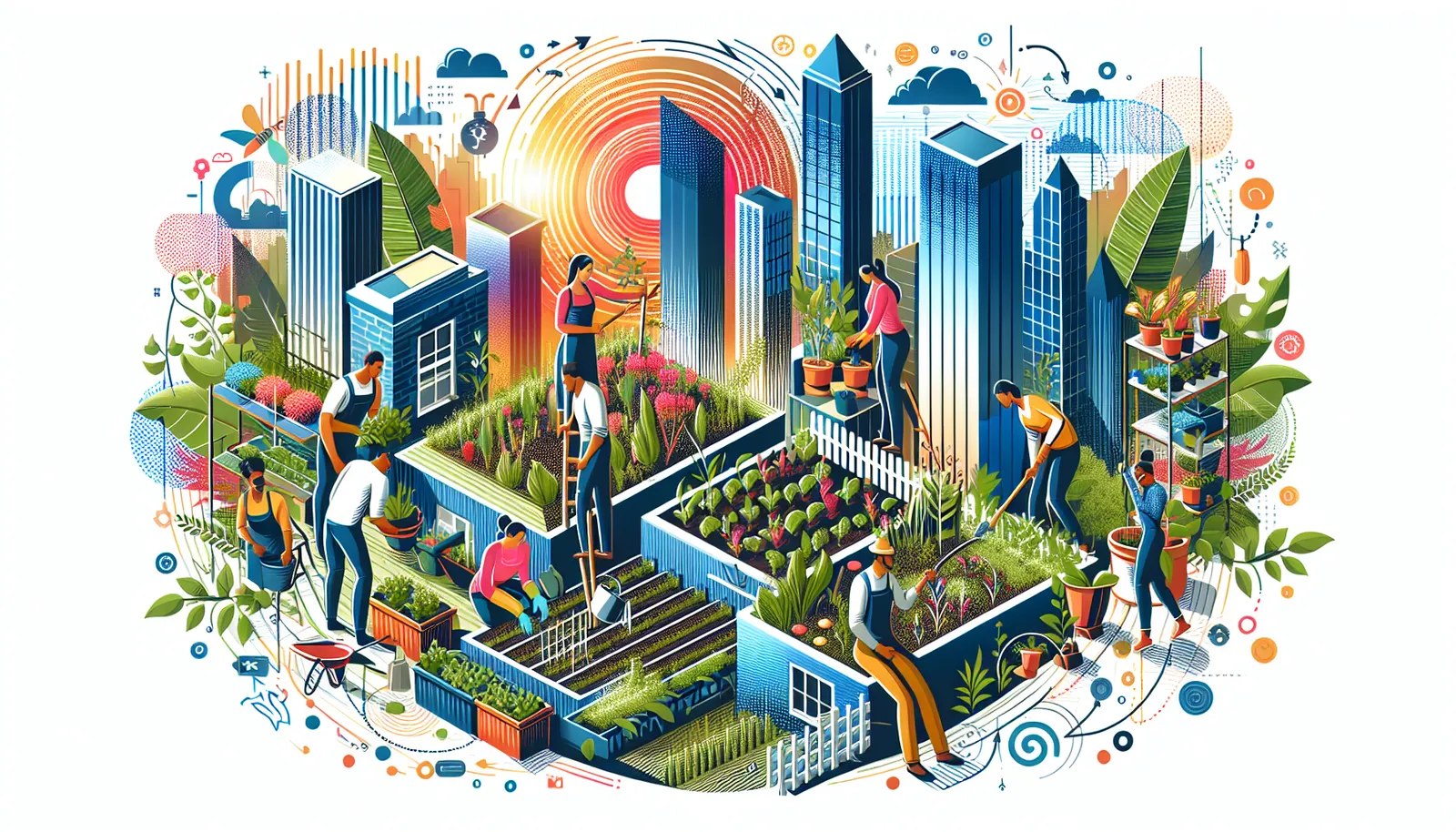
Recent data indicates that urban gardening has surged in popularity, with over 35% of city dwellers now engaging in some form of gardening. This movement is particularly significant as it addresses the pressing issue of food deserts, areas where access to fresh produce is severely limited. Urban gardening not only provides a vital source of nutritious food but also fosters community connections and promotes sustainable practices among city residents. By cultivating green spaces within urban environments, individuals are redefining their relationship with food, nature, and each other.
In this article, we will explore the numerous urban gardening benefits, from improving mental health to encouraging social interaction among neighbors. We will delve into various community gardening projects that have successfully transformed vacant lots into vibrant gardens, creating a sense of pride and ownership within local neighborhoods. Additionally, we will provide practical advice on how to start gardening, empowering city dwellers to take the first step towards nurturing their own green spaces.
As we navigate the challenges of urban living, understanding the importance of urban gardening becomes increasingly essential. It serves not only as a means of sustenance but also as a catalyst for community engagement and environmental stewardship. Whether you’re a seasoned gardener or a curious newcomer, this article aims to inspire you to connect with your neighbors and cultivate your own urban oasis. For more insights on the sustainability benefits of urban gardening, check out this Nature article that highlights the impact of urban green spaces on community health.
Join us as we embark on this green journey, exploring how urban gardening can redefine our cities and enrich our lives.
The Benefits of Urban Gardening
Urban gardening has emerged as a vital movement in cities around the world, transforming concrete jungles into lush, green spaces that provide numerous benefits. From environmental advantages to improvements in health and well-being, urban gardening is fostering a sense of community and connection among city dwellers. This section will explore the positive impacts of urban gardening, focusing on its environmental and health benefits.
Environmental Impact
The environmental benefits of urban gardening are significant and multifaceted. By integrating greenery into urban areas, community gardening projects contribute to a healthier ecosystem. Here are some of the key environmental benefits:
Reduces Carbon Footprint: Urban gardens help in absorbing carbon dioxide and releasing oxygen, thereby contributing to cleaner air. According to a study published by the American Society of Civil Engineers, urban vegetation can reduce urban heat islands and enhance energy efficiency in buildings by lowering temperatures.
Promotes Biodiversity: Urban gardens serve as habitats for various species, supporting the local flora and fauna. The National Wildlife Federation indicates that urban gardens can attract pollinators, such as bees and butterflies, which are crucial for ecosystem health.
Water Management: Urban gardening can improve rainwater absorption and reduce flooding. By using techniques such as rain gardens and permeable pavements, cities can manage stormwater more effectively, as noted by the Environmental Protection Agency.
Community Transformation: One notable example of urban gardening’s environmental impact is the community garden initiative in Detroit, Michigan. Once plagued by vacant lots, many have been transformed into vibrant gardens, reducing blight and increasing green space. According to the Detroit Urban Gardening Program, over 1,400 community gardens now exist, showcasing the power of collective gardening efforts in revitalizing neighborhoods.
Health and Well-being
Beyond environmental benefits, urban gardening significantly enhances the physical and mental well-being of individuals and communities.
Improves Mental Health: Engaging in gardening activities has been linked to reduced stress and anxiety. A study published in the Journal of Public Health found that individuals who participated in gardening reported higher levels of happiness and lower levels of depression. The act of nurturing plants and spending time outdoors contributes to a sense of purpose and fulfillment.
Encourages Physical Activity: Gardening is an excellent form of exercise that promotes physical health. According to the Centers for Disease Control and Prevention (CDC), gardening activities can burn up to 300 calories per hour, depending on the intensity of the work. Engaging in gardening not only enhances fitness but also encourages a more active lifestyle within communities.
Connects Neighbors: Urban gardening fosters social interactions and builds community ties. As individuals come together to cultivate gardens, they develop friendships and a sense of belonging. A study by the American Community Gardening Association highlighted that community gardens lead to stronger neighborhood bonds and increased civic engagement.
Access to Fresh Produce: Community gardening projects also improve access to fresh fruits and vegetables, especially in food deserts where healthy food options are scarce. According to the USDA, areas with community gardens have reported increased consumption of fruits and vegetables among residents, contributing to improved nutritional health.
Current Trends and Case Studies
The rise of urban gardening is not just a trend but a movement supported by data and community initiatives. Here are some recent statistics and case studies that illustrate this growth:
Community Garden Growth: The number of community gardens in the United States has increased by 200% over the past decade, according to a study by the American Community Gardening Association.
Urban Agriculture Initiatives: Cities like New York and San Francisco have implemented programs to support urban agriculture, offering grants and resources for community gardening projects. New York Citys GreenThumb program, for instance, manages over 600 community gardens, aiming to enhance food security and community health.
Educational Opportunities: Urban gardens are also being used as educational platforms. Schools in cities like Chicago have integrated gardening into their curriculum, teaching students about sustainability and nutrition while fostering a sense of stewardship.
In conclusion, the benefits of urban gardening extend well beyond the aesthetic appeal of greenery in city landscapes. By contributing to environmental sustainability and enhancing the health and well-being of urban populations, community gardening projects play a crucial role in cultivating connection among neighbors and fostering a sense of community. As urban gardening continues to rise, it is essential for city planners and residents alike to recognize its transformative potential.
For more insights on community gardening and its impact, you can refer to the American Community Gardening Association and the Environmental Protection Agency.
Community Gardening Projects
Community gardening projects have emerged as vital components of urban gardening, offering a multitude of benefits that extend beyond simply growing food. These initiatives not only enhance access to fresh produce but also serve as significant hubs for social interaction and education. As urban areas become increasingly dense, the importance of community gardening cannot be understated.
Local Initiatives
Across cities, local initiatives are spearheading the movement toward urban gardening. These projects often address food insecurity while fostering a sense of community among residents. For instance, the New York City Community Garden Coalition supports a network of over 600 community gardens throughout the five boroughs. These gardens have been shown to provide fresh produce to neighborhoods that may otherwise lack access to grocery stores.
Statistics reveal that community gardens increase access to fresh produce:
- In a study published by the American Journal of Public Health, researchers found that areas with community gardens saw a 40% increase in fruit and vegetable consumption among participants compared to those without access to such initiatives.
- Additionally, a report from the USDA indicates that urban gardens can lead to a 20% increase in community engagement, connecting residents who may not interact otherwise.
These gardens often involve collaboration among local governments, nonprofits, and residents, creating a diverse support network that strengthens community ties.
Successful Case Studies
Several successful case studies highlight the positive impact of community gardening projects on urban areas.
The Edible Schoolyard Project in Berkeley, California, is a prime example. This initiative engages students through hands-on gardening activities, teaching them about food, nutrition, and sustainability. The program has led to a 30% increase in students’ willingness to try new fruits and vegetables. Schools that participate report improved student health and academic performance.
The Detroit Black Community Food Security Network (DBCFSN) has implemented urban farms throughout Detroit, transforming vacant lots into productive gardens. This project not only addresses food deserts but also empowers local residents by providing them with the skills needed to grow their own food. According to DBCFSN, community members have reported a 50% increase in their knowledge of sustainable agriculture practices.
P-Patch Community Gardens in Seattle, Washington, is another noteworthy example. This network of over 90 community gardens provides residents with plots to cultivate their vegetables while offering educational workshops on gardening techniques. The city reports that P-Patch gardens contribute to a 25% reduction in community residents’ feelings of isolation, enhancing social cohesion.
Benefits Beyond Produce
Community gardening projects extend their reach beyond food production. They serve as vital spaces for education and social interaction. These gardens offer workshops on gardening techniques, nutrition, and cooking, empowering participants with knowledge that can lead to healthier lifestyle choices.
Social Interaction: These projects foster connections among neighbors. People from diverse backgrounds come together, share gardening tips, and build friendships. A survey by the American Community Gardening Association found that 75% of community gardeners reported feeling more connected to their neighbors after participating in a garden project.
Environmental Awareness: Community gardens also promote environmental stewardship. Many projects incorporate sustainable practices, such as composting and organic gardening, which educate participants about the importance of caring for the environment. According to the National Gardening Association, 83% of community gardeners consider themselves more environmentally conscious after being involved in gardening initiatives.
How to Get Involved
For those interested in starting their own community gardening project or participating in existing ones, here are some steps to consider:
Research Local Opportunities: Look for community gardens in your area. Websites like American Community Gardening Association can provide valuable resources and connections.
Connect with Neighbors: Start conversations with neighbors about the potential benefits of a community garden. Engaging with local community members helps gauge interest and build a support network.
Secure Land: Identify vacant lots or underutilized spaces that can be transformed into gardens. Collaborate with local authorities to obtain necessary permissions.
Establish a Plan: Outline the objectives of the garden, including what crops will be grown, how responsibilities will be shared, and educational programs to be offered.
Gather Resources: Reach out to local businesses for donations of seeds, tools, and materials. Many local garden centers also offer discounts for community projects.
In conclusion, community gardening projects play an essential role in urban areas, enhancing access to fresh produce while fostering social connections and environmental awareness. As urban gardening continues to rise, these initiatives will undoubtedly contribute to a more connected and sustainable city life.
For further insights into the impact of urban gardening, consider reading the USDA’s report on urban agriculture and the American Journal of Public Health’s findings.
By participating in or initiating community gardening projects, individuals can not only cultivate their gardens but also cultivate meaningful connections with their neighbors.
How to Start Gardening in the City
Urban gardening offers a unique opportunity for city dwellers to reconnect with nature, enhance their surroundings, and build community ties. However, starting a garden in a bustling urban environment can seem daunting. This section will guide you through the essential steps to initiate your gardening journey, focusing on basic gardening skills and choosing the right plants.
Basic Gardening Skills
Before diving into urban gardening, it’s crucial to equip yourself with some basic gardening skills that will serve as the foundation for your green thumb. Here are key skills to consider:
Soil Preparation: Understanding the importance of quality soil is fundamental. Urban soil can be poor or contaminated, so consider using potting mixes for container gardening or raised beds. A well-balanced mix often includes compost, peat, and vermiculite.
Watering Techniques: Knowing how to water your plants is vital. Urban environments can be hot and dry, making consistent watering important. Use drip irrigation or self-watering pots to maintain moisture without overwatering.
Pest Management: Familiarize yourself with common pests that may invade your garden. Integrated pest management (IPM) techniques, such as using natural predators or organic pesticides, can help keep your plants healthy.
Maintenance: Regular maintenance includes pruning, weeding, and monitoring plant health. Allocate time each week to tend to your garden to ensure it thrives.
Planting and Harvesting: Learn the proper planting depths and harvesting techniques for various plants. This knowledge will enhance your yield and prolong your gardening experience.
Starting small is key. Many urban dwellers have successfully initiated their gardening journey with small balcony gardens or even window boxes. For instance, a recent survey indicated that 47% of urban gardeners began their gardening experience with container gardens, gradually expanding as they gained confidence and skills (source: NPR).
Choosing the Right Plants
Selecting plants that thrive in urban environments is crucial for success. Urban gardening benefits from choosing plants that can tolerate limited space, pollution, and variable sunlight. Here are some tips to help you make the right choices:
Assess Your Space: Identify the amount of sunlight your gardening area receives daily. Most vegetables require at least 6-8 hours of sun, while herbs can thrive in partial shade.
Consider Climate: Urban microclimates can vary. Select plants that are well-suited to your specific climate zone. For example, some heat-tolerant varieties, such as cherry tomatoes and peppers, are ideal for warmer urban areas.
Opt for Compact Varieties: Look for dwarf or bush varieties of plants, which are designed for small spaces. Examples include:
Dwarf tomatoes: These grow well in containers and yield a significant harvest.
Herbs: Basil, parsley, and mint can be grown in small pots on a windowsill or balcony.
Native Plants: Incorporating native plants not only supports local biodiversity but also reduces maintenance needs. Native species are typically more resilient to urban conditions.
Community Gardening Projects: Joining community gardening projects can expand your plant choices and provide valuable insights. Many cities have established community gardens that allow residents to share resources and knowledge. For example, the Brooklyn Grange in New York City is a rooftop farm that engages locals in sustainable practices while providing fresh produce.
Heres a simple table to help you visualize some excellent plant choices for urban gardening:
| Plant Type | Characteristics | Ideal Conditions |
|---|---|---|
| --- | --- | --- |
| Herbs | Compact growth, easy to maintain | Full sun or partial shade |
| Dwarf Tomatoes | High yield in small space | Full sun, well-drained soil |
| Peppers | Varieties available for containers | Full sun, moderate watering |
| Leafy Greens | Quick-growing, harvest multiple times | Partial shade, consistent moisture |
Connecting with neighbors through urban gardening can further enhance your experience. Sharing produce, tools, or even experiences can foster a sense of community and belonging. Many urban gardeners report that their gardening activities have led to stronger relationships with those living nearby, nurturing a thriving local ecosystem both socially and environmentally.
To learn more about the benefits of urban gardening, consider exploring resources such as The Guardian and Bloomberg for current trends and insights. Moreover, engaging with local gardening clubs or online forums can provide you with additional support and inspiration as you start your urban gardening journey.
In conclusion, starting a garden in the city is not only possible but rewarding. By equipping yourself with essential gardening skills and making informed plant choices, you can cultivate not just plants but also connections with your urban community. Embrace the journey and enjoy the numerous urban gardening benefits that come along with it.
Connecting with Neighbors through Gardening
Urban gardening is not just about growing vegetables and herbs; it is also a powerful tool for fostering community connections. As city dwellers seek to escape the isolation often felt in bustling metropolitan environments, community gardening projects offer a unique opportunity to build relationships, share resources, and strengthen local networks. In this section, we will explore how gardening can create bonds among neighbors and the benefits of sharing resources within these communal spaces.
Building Community Bonds
The act of gardening itself encourages collaboration and interaction among neighbors. When people come together to cultivate a shared space, they create a sense of belonging and mutual support. This is particularly important in urban settings where residents may feel disconnected from one another. According to a study by the American Community Gardening Association, 73% of community gardeners reported that their gardening experience helped them connect with their neighbors, while 58% noted that it fostered a sense of community pride.
Gardening projects often lead to the organization of events that further enhance community ties. For instance, neighborhood potlucks featuring homegrown produce are a popular way for residents to celebrate their gardening achievements while sharing recipes and stories. These gatherings not only promote the sharing of food but also encourage dialogue and friendships among participants.
Some successful examples of community gardening projects include:
- The Brooklyn Grange in New York City is an urban farm that not only grows vegetables but also hosts workshops and events to bring the community together.
- The Chicago Botanic Gardens community gardening program has engaged over 3,000 volunteers, helping residents grow their own food while fostering connections and collaboration.
Sharing Resources
One of the most practical urban gardening benefits is the ability to share resources among neighbors. Community gardens often become hubs for sharing gardening tools, seeds, and knowledge. This resource-sharing model not only reduces costs but also fosters collaboration among participants.
Here are some effective ways to share resources in community gardening projects:
Tool Libraries: Establishing a tool library allows residents to borrow gardening tools instead of purchasing them. This initiative can significantly lower the barrier to entry for those interested in gardening but may lack the necessary equipment.
Seed Exchanges: Organizing seed exchanges enables gardeners to swap seeds, encouraging biodiversity and promoting unique plant varieties within the community. This practice can also help reduce costs for gardeners who may not be able to afford seeds.
Workshops and Skill Sharing: By hosting workshops where experienced gardeners teach novices, communities can share knowledge and skills. These events not only spread gardening expertise but also create opportunities for social interaction.
Local Partnerships: Collaborating with local businesses can provide additional resources and support. For example, partnering with a nearby gardening supply store can lead to discounts for community members or sponsorship for gardening events.
Research conducted by the National Gardening Association indicates that 35% of Americans have expressed interest in participating in community gardening projects, primarily due to the desire to connect with neighbors and share resources. This interest provides a significant opportunity for cities to promote communal gardening as part of urban planning initiatives.
The benefits of fostering community connections through gardening extend beyond the garden itself. Studies show that neighborhoods with active community gardening projects often report lower crime rates and increased social cohesion. For instance, a report from the University of Pennsylvania found that community gardens in Philadelphia contributed to a 20% reduction in crime in the surrounding areas.
In conclusion, urban gardening serves as a catalyst for building stronger communities. By creating spaces for collaboration, sharing resources, and organizing events, city dwellers can cultivate not only plants but also relationships that enhance their quality of life. As urban gardening continues to rise in popularity, cities should recognize its potential to foster connection and community resilience.
For more insights into urban gardening trends, you can refer to NPR’s coverage on community gardening or explore the benefits outlined by The Guardian’s lifestyle section. Additionally, the American Community Gardening Association provides valuable resources and support for those interested in starting their own community gardens.
Current Trends and Future Projections
As urban gardening continues to flourish, it is essential to examine the current trends and future projections that are shaping this movement. Two critical areas of focus are the integration of technology in urban gardening and the shift towards sustainable practices. These developments not only enhance the gardening experience but also promote community connection and environmental stewardship.
Tech in Urban Gardening
The role of technology in urban gardening has significantly transformed how individuals and communities engage with their green spaces. With the advent of various applications and smart gardening tools, even novice gardeners can cultivate their own plants successfully. Here are some notable advancements:
Gardening Apps: Applications like PlantSnap and Gardenize allow users to identify plant species, monitor growth, and track gardening activities. These tools provide interactive ways to learn about plant care and gardening techniques, making it easier for individuals to connect with their neighbors through shared gardening challenges and successes.
Smart Gardening Tools: Devices such as soil sensors and automated watering systems help gardeners optimize their plant care. For instance, the Xiaomi Smart Plant Monitor offers real-time feedback on soil moisture, light levels, and temperature, enabling users to make informed decisions about watering and sunlight exposure.
Hydroponics and Vertical Gardening: Hydroponics systems, such as those offered by AeroGarden, allow urban dwellers to grow herbs and vegetables without soil, making it perfect for small spaces. Vertical gardens, like those created by the company Green Wall, utilize wall space for growing a variety of plants, contributing to urban aesthetics while maximizing space efficiency.
The impact of these technologies is evident in urban gardening participation rates. According to a report from the National Gardening Association, over 35% of households in urban areas now engage in gardening, with 20% of them using technology to assist their gardening efforts. This data underscores the growing reliance on technology to enhance gardening experiences and foster community interaction.
Sustainable Practices
The shift towards permaculture and regenerative practices is becoming increasingly prominent in urban gardening. These methods aim to create sustainable ecosystems that not only provide food but also support local biodiversity and improve soil health. Here are some current trends in sustainable urban gardening practices:
Permaculture Design: Urban gardens are increasingly being designed based on permaculture principles, which emphasize working with nature rather than against it. This approach encourages the use of native plants, companion planting, and natural pest management, fostering a self-sustaining ecosystem.
Regenerative Practices: Techniques such as composting and rainwater harvesting are gaining traction in urban gardening. By recycling organic waste and collecting rainwater, gardeners can reduce their environmental footprint and enhance soil fertility. Community gardening projects are often at the forefront of these practices, transforming vacant lots into thriving ecosystems.
Educational Initiatives: Many cities are launching community gardening projects that focus on sustainable practices, educating residents about the benefits of organic gardening and local food production. For example, the Brooklyn Grange in New York City operates several rooftop farms while offering workshops and resources to help local residents cultivate their own gardens.
The future of urban gardening is promising, with an increasing number of individuals and communities recognizing the urban gardening benefits. As more people engage in gardening, they inevitably strengthen their connections with neighbors and foster a sense of community.
Conclusion
As we look ahead, it is clear that technology and sustainability will play pivotal roles in the evolution of urban gardening. The integration of smart tools and applications enhances the gardening experience while sustainable practices ensure that urban gardens contribute positively to the environment. As urban areas continue to grow, the importance of community gardening projects will only increase, providing a vital means for residents to connect with each other and cultivate their green spaces.
With ongoing support and innovation, urban gardening will remain a vibrant and essential part of city life, nurturing both plants and community ties for generations to come.
For more insights into the future of urban gardening and technology, check out Wired’s technology coverage and The Guardian’s environmental section. Additionally, the National Gardening Association offers extensive resources for those looking to start gardening in their urban settings.
Key Takeaways
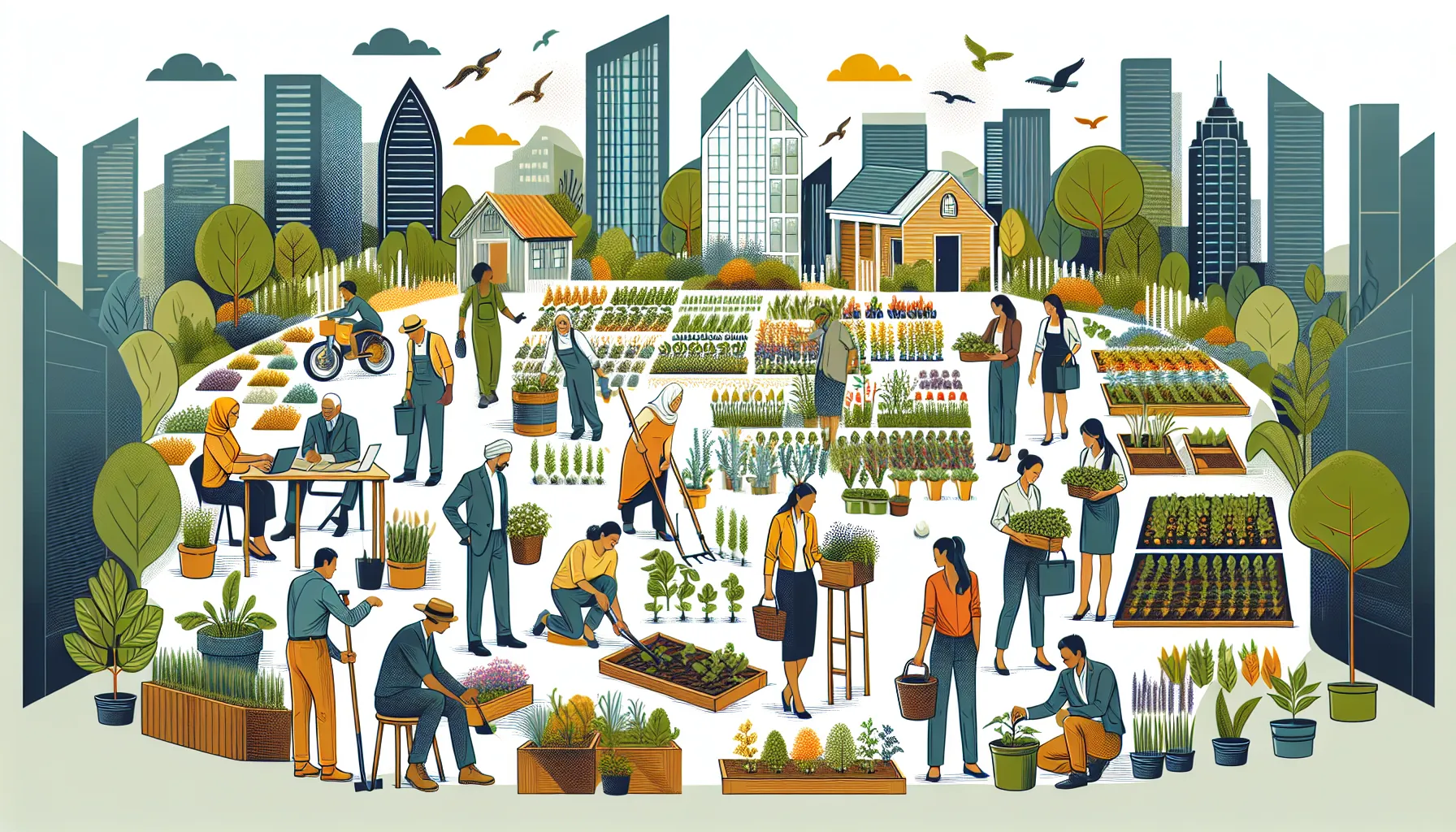
The rise of urban gardening is more than just a trend; it’s a transformative movement reshaping our cities and communities. Currently, urban gardening fosters community resilience and sustainability, allowing individuals to take an active role in their local ecosystem. The act of cultivating plants in urban spaces not only contributes to food security but also enhances biodiversity and reduces carbon footprints. As people come together to garden, they build connections that strengthen neighborhood ties, creating supportive networks that can face challenges collectively.
Getting involved in gardening can enhance your neighborhood connections significantly. Nowadays, community gardens serve as gathering places, promoting social interaction and cooperation among residents. These green spaces offer opportunities for workshops, events, and shared meals, thereby nurturing a sense of belonging and collective responsibility. Engaging in gardening also provides a tangible way to contribute to the well-being of the community, whether through sharing produce or participating in beautification efforts.
Looking ahead, future trends indicate a growing emphasis on eco-friendly practices within urban gardening. Innovations in vertical gardening, hydroponics, and permaculture techniques are gaining traction, making it easier for city dwellers to cultivate their own food sustainably. According to a report by the Forbes, the integration of technology in gardening, such as smart irrigation systems and plant monitoring apps, is making gardening more accessible and efficient. Additionally, the incorporation of native plants and pollinator-friendly gardens is expected to rise, further enhancing urban biodiversity.
As we move forward, it is essential for individuals and communities to embrace the urban gardening movement. Here are some actionable takeaways for those looking to get involved:
- Start small: Even a few pots on a balcony or windowsill can make a difference.
- Join or create a community garden: Connect with local organizations or neighbors to establish a shared space for gardening.
- Educate yourself and others: Attend workshops or read up on sustainable gardening practices to enhance your skills and share knowledge.
- Advocate for green spaces: Support local policies that promote urban gardening and green initiatives in your city.
In conclusion, urban gardening has the potential to cultivate not only plants but also connections among people. By actively participating in this movement, we can promote resilience, sustainability, and community spirit in our cities. To stay informed about the latest trends and insights, consider following resources like Gardening Know How for practical advice and inspiration. Together, let’s plant the seeds of change and nurture our urban environments for future generations.
Frequently Asked Questions
What are the main benefits of urban gardening?
Urban gardening offers numerous benefits, including improved air quality, increased access to fresh produce, and enhanced community engagement. It helps reduce urban heat and promotes biodiversity by providing habitats for various species. Additionally, urban gardening encourages sustainability by utilizing local resources and reducing food miles. It fosters social connections among residents, creating a sense of community and shared responsibility. By participating in urban gardening, individuals can also promote mental health and well-being through gardening activities and interactions with nature.
How can I start my own community garden?
Starting a community garden involves several steps. First, gather interested neighbors and form a planning group. Next, identify a suitable location, ideally a vacant lot or park, and seek permission from property owners or local authorities. Create a plan that includes garden layout, types of plants, and maintenance schedules. Consider fundraising or applying for grants to cover initial costs. Finally, engage the community through workshops and events to maintain interest and participation. Building a strong sense of community is crucial for the garden’s success.
What types of plants are best for urban gardening?
When selecting plants for urban gardening, consider factors like space, sunlight, and climate. Ideal choices include herbs such as basil, mint, and parsley, which thrive in small spaces and containers. Vegetables like tomatoes, peppers, and lettuce are also popular for their yield and adaptability. Additionally, flowers such as marigolds and zinnias can attract beneficial pollinators and improve aesthetics. Native plants are excellent for promoting biodiversity and reducing maintenance. Always choose plants suited to your specific urban environment and available sunlight.
How can urban gardening improve mental health?
Urban gardening can significantly enhance mental health by providing a therapeutic outlet. Engaging with plants and soil reduces stress and promotes relaxation. The act of nurturing plants fosters a sense of responsibility and achievement, boosting self-esteem. Additionally, community gardens create social interactions that combat loneliness, fostering connections among participants. Exposure to nature has been shown to improve mood and reduce anxiety. Overall, urban gardening serves as a holistic approach to mental well-being, encouraging mindfulness and a deeper appreciation for the environment.
What challenges do urban gardeners face?
Urban gardeners often encounter several challenges, including limited space and soil quality. Many urban areas have concrete surfaces, making it difficult to find suitable gardening spots. Soil contamination can also be a concern, necessitating soil testing and remediation. Additionally, urban gardeners may face restrictions from local regulations or zoning laws. Access to water can be another issue, especially in rooftop or balcony gardens. Despite these challenges, creativity, and community support can help overcome obstacles and lead to successful gardening experiences.
How can urban gardening promote sustainability?
Urban gardening promotes sustainability by encouraging local food production, reducing reliance on store-bought produce, and minimizing food miles. It fosters biodiversity by creating green spaces that support various plant and animal species. Urban gardens often utilize organic practices, reducing chemical use and promoting healthier ecosystems. By composting kitchen waste and using rainwater for irrigation, gardeners can further enhance sustainability efforts. Community engagement in gardening also raises awareness about environmental issues, motivating individuals to adopt more eco-friendly lifestyles.
How can I find resources for urban gardening?
There are numerous resources available for urban gardening enthusiasts. Local gardening clubs and community organizations often provide workshops, classes, and mentorship opportunities. Online platforms, including websites, forums, and social media groups, offer a wealth of information and support from fellow gardeners. Additionally, libraries and local government offices may have guides and resources specific to urban gardening. Many cities also have community gardens that can be valuable sources of knowledge and networking. Engaging with these resources can enhance your gardening experience.