
The Benefits of Volunteering to Combat Urban Isolation
Explore how volunteering for loneliness can enhance community ties and reduce isolation. Discover benefits, opportunities, and future trends.


28 min read
What You Need to Know
Recent data indicates that nearly one in four adults experience feelings of loneliness, a statistic that underscores a growing concern in modern urban society. As cities continue to expand and populations surge, the phenomenon of urban isolation has emerged as a critical issue affecting mental health and overall well-being. Many individuals find themselves disconnected from their communities, leading to increased rates of anxiety, depression, and even physical health problems. In this context, volunteering for loneliness presents a powerful solution to combat these feelings of isolation, fostering connections and encouraging community engagement.
This article will explore the myriad benefits of community service, highlighting how volunteering not only addresses the issue of loneliness but also enriches the lives of both volunteers and those they serve. We will delve into the latest trends in volunteering, examining how individuals are increasingly seeking out opportunities to connect through volunteering, thus creating vibrant support networks within urban environments. Furthermore, we will provide practical guidance on how to find volunteer opportunities that align with your interests and passions, ensuring that your contributions have the most significant impact.
As we navigate the complexities of urban living, it’s essential to recognize the role of community service in enhancing social ties and fostering a sense of belonging. According to research from Psychology Today, engaging in volunteer work can lead to improved mental health outcomes, increased happiness, and a greater sense of purpose. These findings reinforce the notion that helping others can simultaneously alleviate one’s own feelings of isolation.
In recent times, many organizations have reported a surge in volunteerism, with individuals increasingly drawn to causes that resonate with them personally. As we explore the benefits of volunteering to combat urban isolation, we will also consider how modern technology has made it easier than ever to connect with local initiatives and support groups. From online platforms that match volunteers with community needs to social media campaigns that promote awareness, the landscape of volunteering has evolved, making it more accessible for everyone.
Join us as we unpack the transformative power of volunteering, offering insights and resources to help you become an active participant in your community. Whether you’re looking to combat your own feelings of loneliness or seeking to make a difference in the lives of others, this article will guide you through the process of connecting through volunteering and discovering the profound benefits it can bring.
Understanding Urban Isolation
Definition of Urban Isolation
Urban isolation refers to the phenomenon where individuals living in densely populated areas experience a lack of meaningful social connections and face emotional detachment from their surrounding community. Despite being surrounded by many people, those affected may feel lonely and disconnected. This paradox is particularly evident in urban environments, where the hustle and bustle of city life can ironically contribute to feelings of isolation.
Urban isolation can manifest in various ways, including:
- Social withdrawal: Individuals may avoid social interactions, leading to increased loneliness.
- Emotional distress: Feelings of sadness or depression can arise from prolonged isolation.
- Health issues: Chronic loneliness is linked to various health problems, including cardiovascular disease and cognitive decline.
The implications of urban isolation are profound, particularly as it affects different demographics differently. Vulnerable populations, such as the elderly and young adults, are particularly at risk. The elderly may struggle with mobility, while young adults may find it challenging to forge connections in a transient environment.
Current Statistics on Loneliness
Recent studies shed light on the alarming rise in feelings of loneliness in urban settings. According to a survey conducted by the National Institute on Aging, over 30% of urban residents report feeling lonely regularly. This statistic highlights the significant emotional toll that urban living can take on individuals.
Moreover, data from the Cigna U.S. Loneliness Index reveals that nearly 61% of Americans report feeling lonely, with younger generations (ages 18-22) experiencing the highest levels of loneliness. This rising trend of loneliness is not only a personal issue but a public health concern that necessitates attention.
Key statistics include:
- 30% of urban residents experience regular feelings of loneliness.
- 61% of Americans report feeling lonely, with young adults being the most affected demographic.
- A study published in the journal American Psychological Association found that socially isolated individuals are at a 50% higher risk of dying prematurely compared to those with strong social ties.
Other studies have indicated that urban isolation can have detrimental effects on mental health. For example, a comprehensive survey conducted by the Pew Research Center found that individuals who struggle to connect with their communities are more likely to experience anxiety and depression.
As urbanization continues to rise, it is essential to understand the dynamics of loneliness and isolation in city environments. Addressing these issues requires innovative solutions and community engagement.
Conclusion
Urban isolation poses significant challenges, particularly for vulnerable populations. Understanding the definition and current statistics surrounding loneliness is critical for developing effective strategies to combat this growing issue. Volunteering for loneliness presents a meaningful opportunity to connect with others and foster a sense of community. In the following sections, we will explore the benefits of community service and how individuals can find volunteer opportunities that resonate with their interests and passions.
By connecting through volunteering, individuals can not only enhance their own lives but also contribute to a more cohesive and supportive urban community.
The Role of Volunteering in Mitigating Loneliness
Urban environments, while bustling with activity, can paradoxically foster feelings of loneliness and isolation. Volunteering has emerged as a powerful antidote to these feelings, providing individuals with opportunities to connect, engage, and contribute positively to their communities. This section will explore how volunteering addresses loneliness through social interaction and the psychological benefits that accompany community service.
Connecting Through Volunteering
Volunteering serves as a bridge to connect individuals, fostering relationships that combat the isolation often felt in urban settings. The act of volunteering places individuals in environments where they can meet others with similar interests and values, creating a sense of community. Below are some key ways that volunteering facilitates these connections:
Building Relationships: Volunteers often work alongside others towards a common goal, allowing them to form friendships and social networks. For instance, a study published by the Corporation for National and Community Service found that individuals who volunteer are more likely to report having strong social networks compared to those who do not volunteer (CNCS Study).
Shared Experiences: Engaging in community service provides shared experiences that can lead to meaningful conversations and interactions. Participating in local food drives or environmental clean-ups fosters a camaraderie that can be hard to find in day-to-day urban life.
Inclusivity and Diversity: Volunteering often brings together people from various backgrounds, promoting understanding and acceptance. This diversity can enrich volunteers’ lives, as they learn from others’ experiences and perspectives.
Structured Activities: Many volunteer opportunities provide structured environments that encourage interaction. For example, mentoring programs allow volunteers to connect with youth, helping them to build supportive relationships.
The impact of these connections is profound. Research shows that individuals who engage in social activities, including volunteering, report lower levels of loneliness. A survey from the Pew Research Center found that about 68% of volunteers stated that their volunteer work made them feel more connected to their community (Pew Research Center).
Psychological Benefits of Community Service
The benefits of volunteering extend beyond social interactions; they also have significant psychological impacts. Engaging in community service has been linked to improved mental health outcomes. Here are some notable psychological benefits:
Increased Happiness: Volunteers frequently report higher levels of happiness compared to non-volunteers. A study from the University of California, Berkeley, found that individuals who volunteer report increased life satisfaction and emotional well-being (UC Berkeley Study).
Reduced Stress: Volunteering can serve as a stress reliever, providing individuals with a sense of purpose and fulfillment. Engaging in altruistic activities releases endorphins, which promote feelings of happiness and reduce anxiety.
Enhanced Self-Esteem: Contributing to worthy causes can improve an individual’s self-worth. Volunteers often feel a sense of accomplishment and pride in their contributions, leading to better self-esteem.
Combatting Loneliness: Engaging in community service can directly combat feelings of loneliness. According to a report by the Mental Health Foundation, volunteers often experience lower levels of depressive symptoms and loneliness (Mental Health Foundation). The act of giving back fosters a sense of belonging and purpose.
Conclusion
The role of volunteering in mitigating loneliness is significant and multifaceted. By providing opportunities for social interaction and fostering a sense of belonging, volunteering not only combats feelings of isolation but also enhances mental well-being. As urban populations continue to grapple with loneliness, the importance of community service becomes increasingly clear.
For those looking to engage in volunteering, finding opportunities is easier than ever. Websites such as VolunteerMatch and Idealist offer extensive listings of local and virtual volunteer opportunities that cater to various interests and skills. Connecting through volunteering is not just about giving back; it’s about building a stronger, more connected community.
In summary, the benefits of community service extend far beyond the act itself, touching the lives of both volunteers and those they serve. As we continue to navigate the complexities of urban life, embracing the spirit of volunteering can lead to a more connected and compassionate society.
Benefits of Community Service
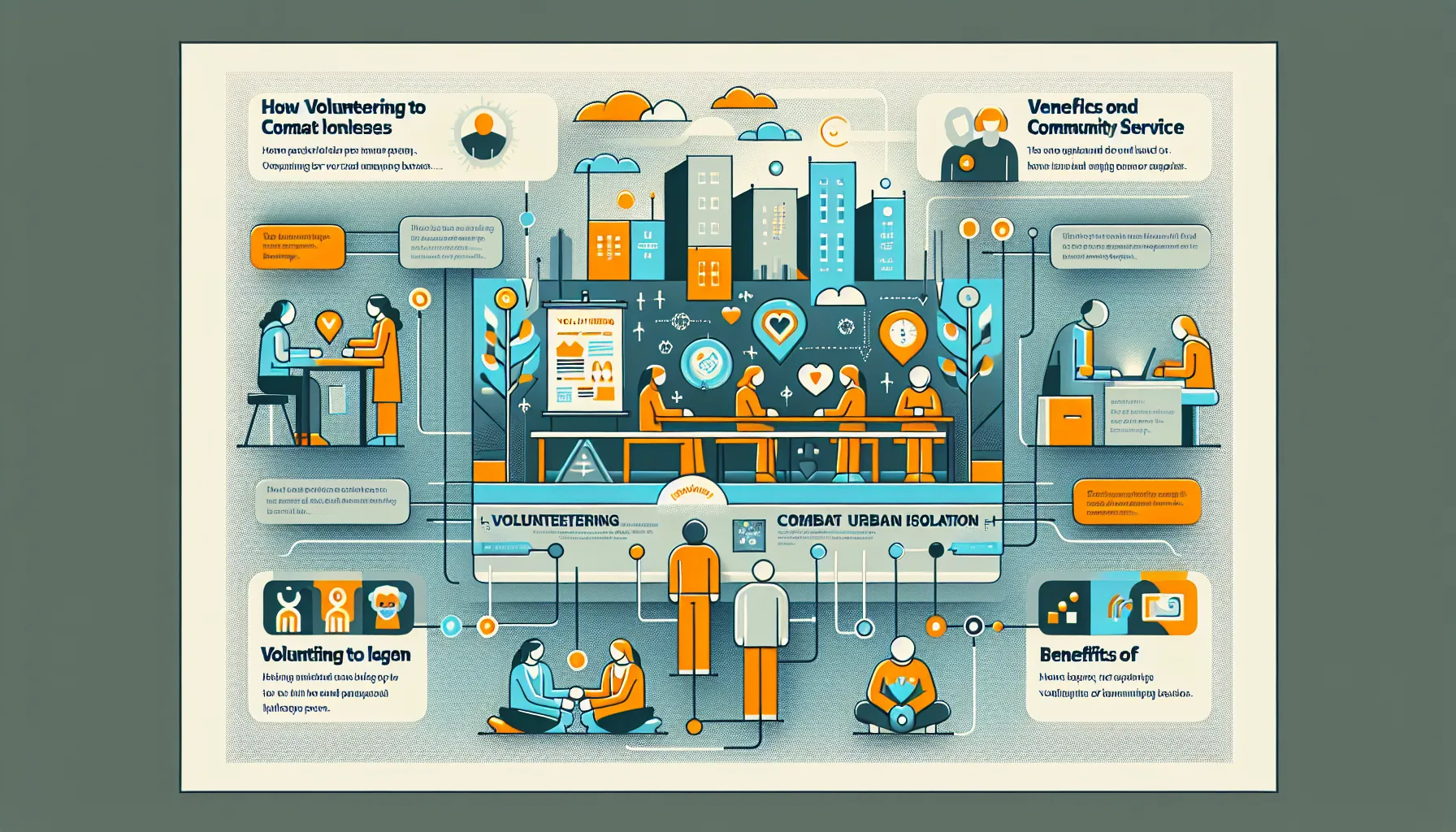
Volunteering for loneliness is not just a slogan; it reflects a growing recognition of the profound impact community service has on mental health and social connectivity. As urban isolation becomes an increasingly pressing issue, understanding the benefits of community service can empower individuals and communities alike.
Improved Mental Health
One of the most significant benefits of community service is its positive effect on mental health. Research consistently shows that engaging in volunteer work can lead to decreased levels of anxiety and depression. A study published in the Journal of Happiness Studies found that people who engage in regular volunteering report higher levels of well-being and lower levels of perceived stress.
- According to a recent survey conducted by the Corporation for National and Community Service, 77% of volunteers reported improvements in their emotional well-being due to their volunteer activities.
- The Mayo Clinic notes that volunteering can provide a sense of purpose and fulfillment, which is crucial for combating feelings of loneliness and isolation.
The mental health benefits of volunteering can be attributed to several factors:
- Increased social interaction: Engaging in community service encourages interaction with others, reducing feelings of loneliness.
- Sense of accomplishment: Completing tasks or helping others fosters a sense of achievement, enhancing self-esteem.
- Shift in focus: Helping others often shifts attention away from personal problems, allowing volunteers to feel more connected and positive.
A noteworthy example can be seen in the “TimeBank” program in the UK, which encourages community members to exchange time and skills. Participants report improved mental health outcomes, with 63% of volunteers noting a reduction in feelings of isolation. This program illustrates how community service initiatives can effectively increase community engagement and reduce isolation.
Building Social Networks
Another critical benefit of community service is the opportunity to build social networks. Volunteering fosters connections that can lead to lasting friendships, creating a strong support system that is essential in combating urban isolation.
- A study from the University of California, Berkeley, found that individuals who volunteer are 20% more likely to have a strong social network compared to those who do not volunteer.
- According to research by the National Conference on Citizenship, communities with higher rates of volunteering tend to report stronger social ties and a greater sense of belonging.
Connecting through volunteering provides individuals with the chance to meet diverse people, share experiences, and develop relationships. These connections can lead to:
- Friendships: Volunteers often find common interests with others, making it easier to build meaningful relationships.
- Support systems: Engaging in community service can create a network of support that individuals can rely on in times of need.
- Opportunities for collaboration: Working together on community projects can lead to future collaborations, further strengthening social ties.
To illustrate the impact of social networks formed through volunteering, consider the “Big Brothers Big Sisters” mentoring program. This initiative pairs adult volunteers with children in need of guidance. Research indicates that participants often report increased social connections and improved life satisfaction.
How to Find Volunteer Opportunities
Finding volunteer opportunities can be easier than one might think. Many organizations actively seek volunteers to help with various community service initiatives. Here are some effective ways to find suitable volunteer opportunities:
- Online platforms: Websites like VolunteerMatch.org and Idealist.org allow individuals to search for volunteer roles based on their interests and location.
- Local nonprofits: Many local organizations regularly seek volunteers. Reaching out directly can uncover opportunities that might not be listed online.
- Community centers: Local community centers often have bulletin boards or staff who can provide information on upcoming volunteer events.
- Social media: Platforms like Facebook and LinkedIn often host groups dedicated to volunteering where opportunities are regularly posted.
In conclusion, the benefits of community service extend far beyond the immediate act of helping others. By improving mental health and building social networks, volunteering significantly contributes to combating urban isolation. Engaging in community service not only enhances individual well-being but also fosters a sense of community, creating a supportive environment for all. For more insights on the relationship between volunteering and mental health, you can refer to the Mayo Clinic’s overview and the Journal of Happiness Studies.
How to Find Volunteer Opportunities
Finding the right volunteer opportunities can significantly impact your experience in combating loneliness and urban isolation. Fortunately, there are various avenues to explore, from local organizations to online platforms. Each offers unique advantages that can help you connect through volunteering and enhance your sense of community.
Local Organizations and Initiatives
Many local organizations actively seek volunteers to help combat urban isolation. These organizations often focus on specific community needs, making them an excellent option for individuals looking to make a meaningful impact. Here are some popular types of organizations that typically look for volunteers:
- Food Banks: Organizations like Feeding America and local food pantries often require volunteers to assist with sorting, packing, and distributing food to those in need.
- Community Centers: These venues frequently offer programs aimed at reducing isolation among residents. Volunteers can help lead classes, organize events, or provide companionship to seniors.
- Health Services: Hospitals and health clinics often have volunteer programs where individuals can assist with patient care, administrative tasks, or outreach programs aimed at improving public health.
- Environmental Groups: Organizations dedicated to environmental preservation often rely on volunteers for tasks such as park clean-ups, tree planting, and community gardening.
Notable: According to a report from the Corporation for National and Community Service, over 77 million adults in the United States volunteered through an organization in 2020, highlighting the widespread interest in community service.
To find local organizations, consider these strategies:
- Search Online: Websites like VolunteerMatch allow you to enter your location and interests to find nearby opportunities.
- Visit Community Boards: Libraries, grocery stores, and community centers often have bulletin boards with postings from local organizations seeking volunteers.
- Connect with Neighbors: Sometimes, simply talking to neighbors or community members can lead to discovering volunteer opportunities that are not widely advertised.
Online Platforms for Volunteering
In addition to local organizations, various online platforms make it easier to discover and sign up for volunteer opportunities. These platforms are particularly useful for those who may have limited mobility or prefer to explore options from home. Here are some notable online resources:
- VolunteerMatch: This website connects individuals with local service projects based on their interests and availability. Users can filter opportunities by cause, such as homelessness, education, or environmental concerns.
- Idealist: Idealist offers a comprehensive database of volunteer positions, internships, and job opportunities in non-profit organizations. Users can search by location and area of interest.
- All for Good: A service of Points of Light, All for Good aggregates volunteer opportunities from various organizations and allows users to filter by location and cause.
- Catchafire: This platform focuses on skilled volunteering, connecting professionals with non-profits that need specific expertise, such as marketing, finance, or web design.
Recent data shows that online volunteering has gained traction, particularly during the COVID-19 pandemic, when many physical volunteer options were limited. According to a study by the Stanford Social Innovation Review, 14% of Americans engaged in virtual volunteering in 2021, up from 7% in 2020, indicating a growing trend in digital community service.
To maximize your search for online opportunities, consider these steps:
- Create a Profile: Many platforms allow users to create profiles that highlight their skills and interests, making it easier for organizations to find suitable volunteers.
- Set Alerts: Most volunteer sites let you set up alerts for new opportunities that match your interests, ensuring you dont miss out on exciting projects.
- Network: Participating in online forums or social media groups related to volunteering can lead to discovering unique opportunities and connecting with like-minded individuals.
Conclusion
Whether you prefer to engage with local organizations or explore online platforms, numerous avenues exist for finding volunteer opportunities. By taking the time to seek out these resources, you can not only combat loneliness but also experience the numerous benefits of community service. Volunteering is a powerful way to connect with others, develop new skills, and enhance your overall sense of belonging.
For more information on volunteering opportunities, visit VolunteerMatch, Idealist, and All for Good. These platforms can serve as your launchpad into a more connected and engaged community.
Current Trends in Volunteering
In recent years, the landscape of volunteering has evolved significantly, especially in urban settings where loneliness and isolation are pressing concerns. Two notable trends have emerged: virtual volunteering and corporate volunteer programs. Both initiatives offer unique opportunities for individuals to engage in community service, combating urban isolation while enhancing their connection to others.
Virtual Volunteering
Virtual volunteering has gained immense popularity, particularly as technology advances and remote interactions become more commonplace. This form of volunteering allows individuals to contribute to causes they care about from the comfort of their homes.
Flexibility: One of the primary benefits of virtual volunteering is the flexibility it offers. Volunteers can choose their hours and engage in tasks that fit their skills and interests. This is particularly appealing for those dealing with loneliness, as they can connect with others without the constraints of travel or scheduling conflicts.
Global Reach: Virtual platforms enable volunteers to work with organizations and communities beyond their immediate geographical location. This not only broadens the scope of volunteering but also fosters a sense of global community.
Recent data highlights the growth of virtual volunteering. According to a report from the Corporation for National and Community Service, nearly 30% of volunteers participated in virtual activities during 2022, up from 15% in 2019. This shift demonstrates how individuals are utilizing technology to combat loneliness while engaging in meaningful community service.
Corporate Volunteer Programs
Another emerging trend is the rise of corporate volunteer programs. Businesses are increasingly recognizing the importance of corporate social responsibility (CSR) and its potential to foster a culture of giving back among employees.
Employee Engagement: Companies that encourage volunteering report higher levels of employee satisfaction and engagement. Programs that allow employees to participate in community service not only improve morale but also build team cohesion.
Sponsored Volunteer Days: Many organizations are now sponsoring volunteer days for their employees, allowing them to dedicate work hours to community service. This initiative not only supports local causes but also promotes a sense of purpose and belonging among employees.
For example, Salesforce, a leading cloud-based software company, has implemented a program called “Volunteer Time Off,” which grants employees seven paid days each year to volunteer. As a result, Salesforce employees logged over 1 million volunteer hours in 2022, significantly contributing to local communities.
Connecting Through Volunteering
Both virtual and corporate volunteering initiatives highlight the importance of connecting through volunteering. By participating in these activities, individuals not only address their feelings of loneliness but also contribute positively to their communities.
Building Networks: Volunteers often meet like-minded individuals, forming support networks that can help alleviate feelings of isolation. These connections can lead to lasting friendships and collaborative efforts towards common goals.
Skill Development: Engaging in community service also provides opportunities for personal and professional growth. Volunteers can develop new skills, gain experience, and even explore potential career pathsall while combating loneliness.
Conclusion
The trends of virtual volunteering and corporate volunteer programs illustrate how innovative approaches to community service can effectively combat urban isolation. As more individuals and organizations recognize the benefits of community engagement, the potential for connection through volunteering only continues to grow.
With the right tools and opportunities, combating loneliness becomes a collective effort, fostering a more connected and supportive urban environment. As these initiatives expand, individuals seeking to volunteer for loneliness can find a variety of options that resonate with their interests and capabilities.
To discover how to find volunteer opportunities in your area, consider visiting platforms like VolunteerMatch or local nonprofit organizations that often post available positions. Engaging in community service not only helps those in need but also enriches the lives of volunteers, making it a win-win situation for all involved.
Future Projections for Volunteering and Community Engagement
As we look toward the future, the importance of volunteering for community well-being is projected to rise significantly. With urban isolation becoming a pressing issue, volunteerism stands out as a crucial strategy to foster connections among individuals. Emerging trends suggest that the act of volunteering will not only benefit those directly involved but will also contribute to the broader health of communities.
Emerging Developments in Social Responsibility
Recent studies indicate a growing recognition among individuals and organizations of the benefits of community service. According to a report from the Corporation for National and Community Service, more than 60 million Americans volunteered in 2020, contributing about 4 billion hours of service, a value of approximately $125 billion. This growing engagement highlights a societal shift towards recognizing social responsibility as integral to community health and individual fulfillment.
Key trends shaping the future of volunteering include:
Increased Corporate Involvement: Companies are increasingly encouraging employee volunteerism as part of their corporate social responsibility (CSR) initiatives. A survey by Deloitte found that 89% of employees believe that companies should be involved in social issues.
Focus on Mental Health: With rising awareness of mental health issues linked to loneliness, volunteering is recognized as a viable solution. Research from the University of Exeter indicates that volunteering can significantly reduce feelings of isolation and depression, especially among older adults.
Youth Engagement: There is a notable uptick in youth involvement in community service, driven by educational institutions emphasizing experiential learning. Programs like service-learning in schools have seen a 20% increase in participation over the past five years, according to the National Youth Leadership Council.
The Role of Technology
Technology is poised to play a pivotal role in connecting volunteers with opportunities. The rise of digital platforms designed to facilitate volunteerism has made it easier than ever for individuals to engage in community service. Emerging apps are being developed to streamline the volunteering process and enhance engagement, addressing the challenge of urban isolation.
Some of the noteworthy technological advancements include:
Mobile Apps for Volunteering: Platforms such as VolunteerMatch and GivePulse allow users to easily search for volunteer opportunities based on their skills, interests, and location. These apps often provide features like scheduling tools and community forums that foster connections among volunteers.
Social Media Integration: Organizations are leveraging social media platforms to promote volunteer opportunities and create a sense of community among participants. Campaigns on platforms like Instagram and Facebook can reach wider audiences, drawing in younger volunteers who prefer digital engagement.
Virtual Volunteering: The COVID-19 pandemic accelerated the adoption of virtual volunteering, allowing individuals to contribute from the comfort of their homes. Platforms offering skills-based virtual volunteering have seen a 50% increase in participation, according to a study from the Stanford Social Innovation Review.
Data Analytics: Organizations are utilizing data analytics to identify community needs and match them with available volunteer resources. This data-driven approach ensures that volunteer efforts are effectively targeted, maximizing their impact.
| Technology Type | Description |
|---|---|
| Mobile Apps | Connect users with local volunteer opportunities |
| Social Media Integration | Promote volunteer events and foster community |
| Virtual Volunteering | Enable remote contributions to various causes |
| Data Analytics | Match community needs with volunteer skills |
Conclusion
As society continues to grapple with urban isolation, the role of volunteering will become increasingly essential in fostering community bonds. The trends in social responsibility and technological advancements signify a future where volunteering is not just a noble act but a critical component of community resilience and individual well-being.
For those seeking to engage, the question remains: how to find volunteer opportunities that resonate with personal values? Resources such as VolunteerMatch and Idealist provide tailored options, making it more accessible for everyone to contribute to their communities.
The future of volunteering is bright and full of potential, promising numerous benefits for individuals and society as a whole. By embracing these developments, we can ensure that community engagement remains a vibrant part of urban life, effectively combating loneliness and fostering a sense of belonging.
Key Takeaways
In conclusion, volunteering stands out as a vital strategy for tackling the pervasive issue of urban isolation, which has become increasingly pronounced in today’s fast-paced society. By engaging in volunteer work, individuals can forge meaningful connections, foster a sense of community, and contribute positively to their surroundings. This engagement not only benefits those receiving help but also enriches the lives of volunteers themselves, creating a cycle of support and connection that is essential in combating feelings of loneliness and isolation.
Currently, individuals are encouraged to actively seek out diverse volunteering opportunities in their local communities. Whether its through local charities, community centers, or online platforms, the key is to find a cause that resonates with personal values and interests. This not only enhances the volunteer experience but also ensures that the contributions made are impactful. Moreover, volunteering can be a powerful way to meet new people, learn new skills, and develop a stronger sense of belonging, which is crucial in urban settings where anonymity can often prevail.
At present, the future of volunteering looks promising, bolstered by advancements in technology that enhance accessibility and engagement. Online platforms and social media have revolutionized how individuals can connect with volunteer organizations, making it easier than ever to find opportunities that match ones schedule and skills. Emerging trends suggest that virtual volunteering will continue to grow, allowing people to contribute from the comfort of their homes while still making a difference in their communities. As reported by Forbes, technology will further empower volunteers by providing them with tools to collaborate and communicate more effectively, thereby enhancing the overall impact of their efforts.
As we move forward, its crucial for individuals, organizations, and communities to embrace the multifaceted benefits of volunteering. Not only does it help combat urban isolation, but it also nurtures resilience, social cohesion, and community spirit. Therefore, I urge everyone reading this to take actionexplore the diverse volunteering opportunities available in your area, engage with local initiatives, and invite friends and family to join you. Together, we can build a more connected and supportive urban landscape.
For additional insights on the importance of volunteering and how it can address social issues, you can explore resources from the VolunteerMatch or check out the latest studies from the National Council for Voluntary Organisations. By staying informed and involved, we can create a future where everyone feels a sense of belonging and support in their community.
Frequently Asked Questions
What are the psychological benefits of volunteering?
Volunteering has significant psychological benefits, including reduced feelings of loneliness and depression. Engaging in community service fosters a sense of purpose and accomplishment, which can boost self-esteem. Additionally, forming new connections through volunteer work helps combat urban isolation, creating a supportive network. Studies show that individuals who volunteer regularly experience improved mental health and overall life satisfaction. By giving back to the community, volunteers often find a renewed sense of belonging and fulfillment, making it a powerful antidote to feelings of isolation.
How can I get involved in local volunteer opportunities?
Getting involved in local volunteer opportunities is easier than ever. Start by researching local nonprofit organizations, community centers, or online platforms that list volunteer openings. Websites like VolunteerMatch and Idealist can connect you with opportunities based on your interests and skills. Additionally, social media and community bulletin boards often post calls for volunteers. Consider reaching out to friends or family to join you in volunteering, which can enhance social interaction and make the experience more enjoyable. Your involvement can significantly impact your community and help combat urban isolation.
What trends are shaping the future of volunteering?
The future of volunteering is being shaped by several key trends, including a shift towards virtual volunteering, especially post-pandemic. Many organizations are adopting technology to facilitate remote opportunities, making volunteering accessible to more people. Additionally, there is a growing emphasis on skill-based volunteering, where individuals contribute their professional expertise to nonprofits. Community engagement is also evolving, with a focus on addressing social issues like urban isolation through collaborative initiatives. Finally, younger generations are seeking meaningful experiences, leading to more diverse volunteer opportunities that align with personal values and social justice causes.
How does volunteering help build community connections?
Volunteering fosters community connections by bringing together individuals from diverse backgrounds who share common goals. Engaging in volunteer projects allows people to collaborate, communicate, and form relationships, creating a sense of belonging. These connections can combat urban isolation by establishing support networks and friendships. Furthermore, volunteering often encourages individuals to interact with their neighbors and local businesses, strengthening community ties. As volunteers work side by side, they develop empathy and understanding of each other’s experiences, which enriches the social fabric of urban areas.
Can volunteering improve physical health?
Yes, volunteering can improve physical health in various ways. Engaging in physical activities while volunteering, such as cleaning parks or helping in community gardens, promotes an active lifestyle. Research indicates that volunteers often report lower blood pressure and reduced risk of chronic diseases. Furthermore, the social interactions involved in volunteering can lead to improved emotional well-being, which is linked to better physical health outcomes. By combating urban isolation through volunteering, individuals not only enhance their mental health but also contribute positively to their physical well-being.
What types of volunteering opportunities are available?
There are numerous types of volunteering opportunities available, catering to various interests and skills. These include environmental volunteering, where individuals participate in conservation efforts, and social services volunteering, which involves helping vulnerable populations. Educational volunteering allows individuals to tutor or mentor youth, while healthcare volunteering includes assisting medical facilities or nonprofit clinics. Additionally, virtual volunteering has become popular, enabling people to contribute remotely through skills like graphic design or content creation. No matter your preference, there are opportunities that can help combat urban isolation and make a positive impact.
How can volunteering reduce feelings of loneliness?
Volunteering effectively reduces feelings of loneliness by creating opportunities for social interaction and connection. When individuals engage in volunteer activities, they meet new people, fostering friendships and a sense of community. This shared experience can diminish feelings of isolation and provide emotional support. Additionally, volunteering shifts the focus from personal struggles to the needs of others, which can enhance one’s perspective and overall mood. By building relationships through common goals, volunteers not only contribute to their community but also combat their own feelings of loneliness.
Is there an age limit for volunteering?
Generally, there is no strict age limit for volunteering, but specific opportunities may have age requirements. Many organizations welcome volunteers of all ages, from children to seniors. However, some roles may require parental consent for minors or have restrictions based on physical demands. Additionally, certain volunteer programs may cater specifically to youth or older adults, providing age-appropriate tasks. Its essential to research various opportunities and find roles that align with your age group and capabilities, ensuring a fulfilling experience while helping to combat urban isolation.