
Managing Loneliness During Urban Commutes: Tips for Commuters
Discover effective strategies to manage loneliness during commutes and overcome urban travel isolation with practical tips for commuters.
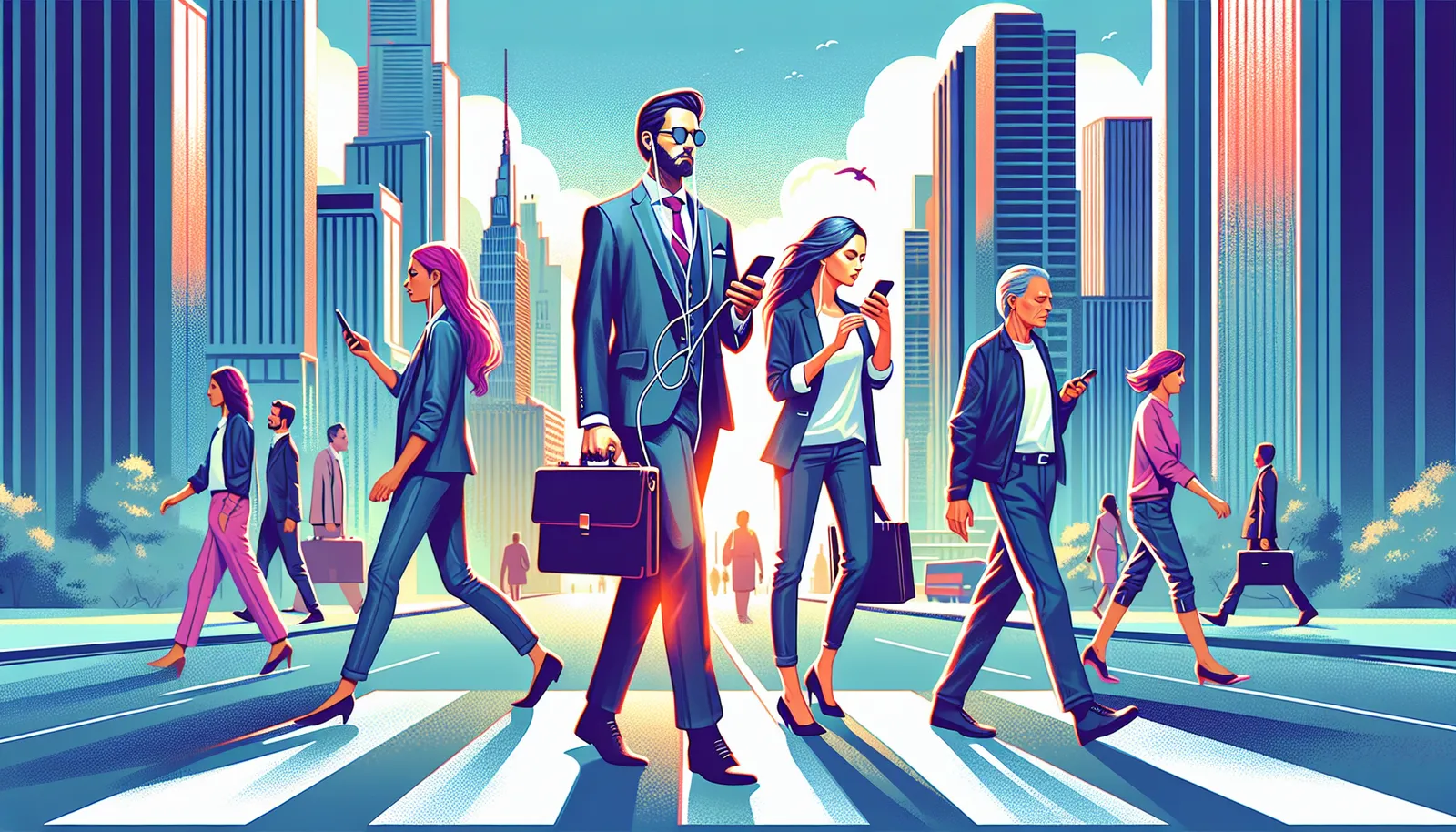

24 min read
Overview
Recent data indicates that a staggering 30% of urban commuters report feelings of loneliness during their daily travel, a phenomenon often referred to as urban travel loneliness. This alarming trend highlights a growing issue in today閳ユ獨 fast-paced world, where daily commutes can transform from simple journeys into isolating experiences. As cities expand and populations increase, the time spent in transit has become longer and more emotionally taxing, leading many to grapple with the psychological impact of isolation. Understanding the nuances of this phenomenon is crucial for developing effective strategies to manage loneliness during commutes.
In recent times, the effects of commute isolation have been increasingly recognized as a significant concern. Research shows that prolonged periods of solitude, particularly in crowded public transportation settings, can enhance feelings of disconnection and anxiety. Commuters often find themselves surrounded by people yet feeling profoundly alone, which can exacerbate stress and diminish overall well-being. As urban environments continue to evolve, addressing these feelings of loneliness becomes not only a personal necessity but also a societal imperative.
To combat urban travel loneliness, it is essential to explore effective strategies that can help individuals manage their feelings of isolation during their commutes. From leveraging technology to create community connections to engaging in mindfulness practices, there are numerous approaches that commuters can adopt. These tips can ultimately transform the daily journey into a more fulfilling experience, highlighting the importance of intentionality in one閳ユ獨 commuting practices.
This article will delve into the rise of urban travel loneliness, examine its impact on commuters, and provide actionable tips for overcoming commute isolation. By understanding the underlying factors contributing to these feelings and implementing effective strategies, individuals can better manage loneliness during their commutes and improve their overall mental well-being. Discover more about this pressing issue and how to take proactive steps towards enhancing your commuting experience.
For additional insights on the psychological effects of commuting, refer to the American Psychological Association’s resources. Moreover, explore how urban design influences commuter experiences in this CityLab article discussing the interplay between environment and mental health.
Understanding Urban Travel Loneliness
Defining Urban Travel Loneliness
Urban travel loneliness refers to the feelings of isolation and disconnection that many individuals experience during their daily commutes in crowded urban environments. Despite being surrounded by people, many commuters report feeling alone, which can have profound psychological implications. This phenomenon is particularly prevalent in major cities where public transport systems are the primary mode of travel.
In urban settings, the paradox of crowdedness is evident; commuters share physical space but often lack meaningful connections. Factors contributing to this feeling include:
- Lack of social interaction: Many commuters are absorbed in their devices, reducing opportunities for face-to-face engagement.
- The transient nature of commuting: The brief interactions that do occur, such as brief exchanges with bus drivers or fellow passengers, often lack depth.
- Environmental factors: Public transport environments, such as subway cars or buses, can feel impersonal and cold, further exacerbating feelings of isolation.
Statistics on Commute Isolation
Recent studies highlight the significant prevalence of loneliness among urban commuters. For example:
- A survey conducted by the American Public Transportation Association found that nearly 40% of urban commuters reported feelings of isolation while using public transport. This statistic underscores the need for strategies to manage loneliness during commutes.
- According to research published in the Journal of Transportation and Health, individuals who commute for longer durations are especially vulnerable to feelings of loneliness, with a reported 25% increase in loneliness for each hour spent commuting.
Urban environments amplify this sense of isolation. The very design of cities, with their focus on efficiency and movement, often neglects the social needs of their inhabitants. As a result, many commuters navigate through densely populated areas yet remain emotionally disconnected.
| Statistic | Percentage |
|---|---|
| Commuters feeling isolated | 40% |
| Increase in loneliness per hour of commuting | 25% |
Experts in psychology and urban planning have noted that the design of public transport systems often fails to foster community. Dr. Sarah Williams, an urban planner at MIT, states that “the architecture of our cities can either inhibit or promote social interactions. In many urban settings, the emphasis on speed and efficiency compromises the opportunity for meaningful human connections.”
Overcoming Commute Isolation
To address urban travel loneliness, commuters can adopt several strategies. Here are some tips for commuters aiming to enhance their experience:
- Engage with Others: Make an effort to initiate conversations with fellow commuters. A simple smile or greeting can open the door to social interaction.
- Join a Community: Look for local groups or clubs that align with your interests. Engaging in activities before or after your commute can foster a sense of belonging.
- Mindfulness Practices: Consider practicing mindfulness or meditation during your commute. This can help center your thoughts and reduce feelings of isolation.
- Utilize Technology: Use social media platforms or apps to connect with others during your commute. Virtual interactions can sometimes alleviate feelings of loneliness.
- Participate in Group Commuting: If possible, coordinate with colleagues or friends to travel together. Carpooling or using public transport as a group can enhance social bonds.
By understanding the dynamics of urban travel loneliness and implementing strategies to combat it, commuters can transform their daily journeys into more fulfilling experiences.
In conclusion, urban travel loneliness is a significant issue affecting many commuters today. As cities continue to grow and evolve, recognizing and addressing this phenomenon will be essential in fostering a more connected and supportive urban experience. To learn more about the psychological impacts of commuting, you can visit NPR’s coverage on commuting and mental health. Additionally, research from Harvard University highlights the importance of social connections in urban environments.
As we delve deeper into managing loneliness during commutes in the upcoming sections, understanding the roots of this issue is vital for formulating effective solutions.
Current Trends in Commuting
Remote Work Impact
The rise of remote work has significantly altered commuting behaviors and social interactions for many urban dwellers. As organizations adapt to hybrid work models, employees are experiencing a shift in their daily routines, which has far-reaching effects on urban travel and social connectivity.
Recent statistics show that nearly 30% of the U.S. workforce continues to work remotely at least part-time, a trend that has been supported by companies across various sectors, from technology giants like Google to financial firms like JPMorgan Chase. This shift has led to more flexible commuting schedules, allowing workers to avoid peak travel times, which has reshaped the daily rhythm of urban life.
Flexible Work Hours: Many companies are now implementing staggered shifts, enabling employees to choose their commuting times. This flexibility has led to decreased congestion during traditional rush hours. For example, a study by the U.S. Census Bureau indicated that the average commute time for remote workers is significantly lower than for those in traditional office settings.
Impact on Social Interactions: With fewer daily interactions on public transport or at workplaces, many workers are finding it challenging to maintain social connections, leading to feelings of isolation. A survey by the Pew Research Center found that 61% of remote workers reported feeling more isolated than they did in a traditional work environment.
Shift in Commuting Patterns
As urban areas adapt to new commuting realities, many commuters are facing longer travel times due to increased traffic and evolving work schedules. A notable trend is the increased congestion in urban centers, driven by the return of some workers to in-office settings and the rise of delivery services that contribute to road traffic.
Longer Commute Times: According to the Texas A&M Transportation Institute, traffic congestion has surged in many metropolitan areas, with average commute times increasing by 10% since pre-pandemic levels. In cities like Los Angeles and New York, commuters are now spending an average of 30 to 40 minutes more each week stuck in traffic compared to the previous year.
Traffic Patterns and Changes: The shift towards hybrid work has led to a complex pattern of commuting. For instance, in cities like San Francisco, the proportion of commuters traveling by car has risen by 15%, while public transport ridership remains below pre-pandemic levels. This shift underscores the need for cities to rethink transportation infrastructure and public services to accommodate new commuting patterns.
Mobility Innovations: Cities are exploring various innovations, such as congestion pricing and improved public transit options, to manage urban travel effectively. For example, New York City has implemented congestion pricing in Manhattan, which has shown promising results in reducing traffic volume and improving air quality.
Summary
The trends in urban commuting reflect a complex interplay between remote work and evolving social dynamics. As commuters seek to manage loneliness during commutes, it’s essential to recognize these shifting patterns and their impact on daily life. By understanding the current landscape of commuting, individuals can better navigate the challenges of urban travel loneliness and develop strategies that foster social connections.
Notable Tips for Commuters:
- Leverage Technology: Use apps and platforms that facilitate social interactions, such as Meetup or Bumble BFF, to connect with others during commutes.
- Engage with Content: Listen to podcasts or audiobooks that interest you, making your commute more enjoyable and less isolating.
- Explore Alternative Routes: Consider changing your commuting route to pass through parks or social hotspots, encouraging spontaneous interactions.
As urban travel continues to evolve, it is crucial for commuters to adapt and find ways to overcome commute isolation. By staying informed about current trends, individuals can better manage their experiences and foster meaningful connections during their daily journeys.
For further insights into the evolving landscape of commuting, explore these resources: NPR’s coverage on urban travel trends, The Guardian’s analysis of remote work impacts, and Bloomberg’s report on commuting patterns.
Tips for Managing Loneliness During Commutes
Urban commutes can often feel isolating, leading to a sense of loneliness for many individuals navigating crowded trains, buses, or long drives. However, there are effective strategies to manage loneliness during these travel times, particularly through engaging with technology and building social connections.
Engaging with Technology
In our increasingly digital world, technology can be a powerful ally in overcoming commute isolation. Here are several ways to utilize technology effectively:
Social Media Platforms:
- Platforms like Facebook, Twitter, and Instagram allow commuters to connect with friends and family. Sharing updates or engaging in conversations can create a sense of community.
- Participating in relevant hashtags or groups can lead to interactions with others experiencing similar challenges.
Mobile Apps:
- Apps such as Meetup provide opportunities for commuters to find local groups based on shared interests or travel routes. This can facilitate real-life connections and reduce feelings of isolation.
- Commuter-specific apps like Transit and Citymapper not only help navigate urban transport but also often include features for community engagement, like sharing tips or experiences with fellow travelers.
Podcast and Audiobook Services:
- Engaging with podcasts or audiobooks can transform an isolated commute into an enriching experience. According to a recent study by Edison Research, over 55% of Americans have listened to a podcast, making it a popular medium for entertainment and education during commutes.
- Platforms like Spotify and Audible offer a vast array of topics, allowing commuters to immerse themselves in stories or learn new skills while on the move.
Virtual Reality (VR) and Augmented Reality (AR):
- While still emerging, VR and AR technologies are starting to infiltrate the commuting experience. Applications that simulate social interactions or immersive environments can provide an escape from the monotony of daily travel, enhancing the overall experience.
Building Social Connections
Another effective way to combat urban travel loneliness is to actively build social connections. Here are some tips for fostering these relationships:
Community Groups:
- Joining community groups that align with your interests can provide a solid support network. Websites like Meetup offer numerous local gatherings, including walking groups, book clubs, or fitness classes that coincide with your commute.
- Participating in commuter networks can also help. Many cities have organized networks where commuters can share experiences, tips, and even carpool opportunities.
Networking Events:
- Attending professional networking events can turn your commute into an opportunity for career advancement while simultaneously expanding your social circle. Many cities host regular meet-and-greets for professionals in various industries, allowing individuals to connect during their travel time.
Encouraging Commuter Friendships:
- Engaging in small talk with fellow commuters can lead to friendships, even in brief interactions. A smile or casual conversation can go a long way in making the commute feel more connected.
- Consider establishing a routine with regular commuters you encounter. Familiarity can foster a sense of belonging, even among strangers.
Utilizing Online Forums:
- Online forums and platforms, such as Reddit or Facebook groups, focused on specific commuting routes or cities can facilitate discussions among commuters. Sharing tips, experiences, and local knowledge can build a sense of community and reduce feelings of isolation.
Conclusion
Managing loneliness during urban commutes involves a combination of leveraging technology and building social connections. By actively seeking out opportunities to engage with others, whether through social media, community groups, or even casual conversations, commuters can create a more enjoyable and connected experience. By following these tips, individuals can not only overcome urban travel loneliness but also enhance their overall quality of life during their daily journeys.
In conclusion, as cities continue to grow and commuting remains a part of urban life, focusing on these strategies can help individuals navigate the often isolating landscape of daily travel. Remember, you are not alone; many others are seeking connection, and with the right approach, it is possible to transform your commute into an opportunity for social interaction and personal growth.
For additional insights on combating urban loneliness, you can explore resources from NPR on urban commuting and social dynamics or check out community engagement strategies from The Guardian on how to build connections in cities.
Mindfulness and Mental Health Strategies
In the hustle and bustle of urban life, commutes can often lead to feelings of isolation and loneliness. As cities grow and public transit becomes more crowded, the challenge of overcoming commute isolation is increasingly pertinent. However, by integrating mindfulness practices and engaging with enriching content, commuters can manage loneliness during their travels. This section explores effective strategies for fostering mental health and well-being while commuting.
Practicing Mindfulness
Mindfulness is the practice of focusing on the present moment, which can significantly reduce anxiety and feelings of loneliness. According to recent data from the American Psychological Association, mindfulness practices can help improve emotional regulation, leading to decreased feelings of isolation during daily commutes.
Mindfulness Apps: Various mobile applications have gained popularity among commuters, providing easy access to guided meditations and mindfulness exercises. Notable examples include:
- Headspace: Offers a wide range of guided meditations tailored for different situations, including commuting. Their “Travel” section specifically addresses the need for calm during transit.
- Calm: Similar to Headspace, Calm provides mindfulness resources and also includes soundscapes that can make commutes feel more peaceful.
- Insight Timer: Features a vast library of free content, including meditations, music, and talks, helping to foster a sense of community among users.
Breathing Exercises: Simple deep-breathing techniques can be practiced during commutes, allowing individuals to center themselves. For example:
- Inhale deeply through the nose for a count of four.
- Hold the breath for a count of four.
- Exhale slowly through the mouth for a count of six.
- This exercise can be repeated several times and is particularly effective in reducing anxiety.
Mindful Observation: Commuters can practice observing their surroundings without judgment. Instead of zoning out or engaging with screens, take a moment to notice the sights, sounds, and smells of the commute. This practice can enhance awareness and create a sense of connection to the environment.
Listening to Audiobooks and Podcasts
Another effective strategy for managing urban travel loneliness is engaging with audiobooks and podcasts. These forms of media not only make commutes feel less isolating but also enrich the commuting experience.
Audiobooks: Listening to stories can transport commuters to different worlds, providing an escape from the mundane aspects of travel. According to a survey by the Audio Publishers Association, 55% of audiobook listeners say they feel less lonely when listening to stories. Popular audiobook platforms include:
- Audible: With a vast library of titles across genres, it’s easy to find something that resonates with individual interests.
- Libby: This app allows users to borrow audiobooks from their local library, making it a cost-effective option.
Podcasts: The podcasting landscape has exploded over recent years, offering content on just about every topic imaginable. Not only do podcasts provide entertainment, but they can also foster a sense of community. Some popular categories include:
- Personal Development: Shows like “The Tim Ferriss Show” or “How I Built This” inspire listeners and provide valuable insights.
- True Crime: Engaging narratives in podcasts like “Serial” or “Criminal” can captivate listeners, making time fly during long commutes.
- Comedy: Lighter shows such as “My Dad Wrote a Porno” or “Conan O’Brien Needs a Friend” can uplift spirits and alleviate feelings of isolation.
Creating a Routine: Establishing a routine around listening can enhance the commuting experience. Consider setting aside specific days for audiobooks and other days for podcasts to create anticipation and structure.
Conclusion
Incorporating mindfulness techniques and engaging with audiobooks or podcasts can significantly reduce feelings of loneliness during urban commutes. As more individuals recognize the importance of mental health and well-being in their daily routines, these strategies can serve as effective tools for managing loneliness and enhancing the overall commuting experience.
Recent studies emphasize the importance of addressing urban travel loneliness. A report from the World Health Organization highlights the mental health implications of isolation, making it essential for commuters to actively seek ways to connect with themselves and their surroundings.
In summary, by practicing mindfulness and immersing oneself in enriching audio content, commuters can transform their travel time into opportunities for growth, connection, and well-being. As urban populations continue to rise, these strategies will become increasingly vital in fostering a supportive and engaged commuting culture.
Future Projections: The Evolving Landscape of Commuting
As urbanization continues to reshape our cities, the future of commuting is set to evolve significantly. Innovations in transportation and urban design are increasingly focusing on enhancing social connectivity, aiming to alleviate urban travel loneliness and manage loneliness during commutes. This evolution represents a critical step in overcoming commute isolation and creating more communal travel experiences.
Emerging Technologies
The integration of emerging technologies into public transportation systems has the potential to transform the commuting experience. Smart transportation systems are being developed to encourage social interactions among commuters, ultimately reducing feelings of isolation. Some notable advancements include:
Mobile Applications: Apps like Citymapper and Transit not only provide real-time transit information but also offer features that promote social sharing, allowing users to connect with fellow commuters.
Autonomous Vehicles: As cities begin to implement autonomous shuttles, these vehicles can be designed with communal seating arrangements and social interaction features, fostering group travel experiences.
Wi-Fi Connectivity: Enhanced internet access on public transport allows commuters to engage in social media, video calls, or collaborative work, bridging the gap of isolation. A recent study indicated that 70% of commuters feel less lonely when they can connect online during their travels (source: NPR).
Augmented Reality (AR): AR applications can facilitate social interactions by overlaying information about fellow commuters, such as shared interests or mutual connections, thereby encouraging conversations.
Changing Urban Environments
Urban design is also evolving to create environments that foster social interaction. Cities are rethinking their transportation infrastructures to promote community engagement and reduce loneliness during commutes. Key trends include:
Mixed-Use Developments: Urban planners are increasingly favoring mixed-use developments that integrate residential, commercial, and public transport spaces. This design encourages more foot traffic and spontaneous interactions among residents and commuters.
Green Spaces: The incorporation of parks and public squares within urban areas provides commuters with spaces to relax and engage socially. Studies show that access to green spaces can enhance mental well-being and reduce feelings of loneliness (source: Harvard Health).
Pedestrian-Friendly Infrastructure: Cities like Copenhagen and Amsterdam have prioritized cycling and walking infrastructure, promoting a culture of social commuting. Increased foot traffic leads to more opportunities for social interactions, thereby overcoming commute isolation.
Current Case Studies
Several cities around the world are leading the way in leveraging technology and urban design to enhance social connectivity during commutes. Examples include:
Los Angeles: The city’s Metro system has introduced digital kiosks that not only provide transit information but also serve as community boards where commuters can share local events, fostering a sense of community.
Singapore: Smart public transport initiatives include the use of data analytics to optimize bus and train schedules, ensuring that commuters spend less time waiting and more time interacting with others.
Barcelona: The city’s Superblocks initiative limits traffic and promotes pedestrian-friendly areas, encouraging social interactions among residents and commuters alike.
Conclusion
The ongoing evolution of public transport systems and urban environments is creating opportunities for social connectivity that can significantly alleviate urban travel loneliness. By embracing emerging technologies and thoughtful urban design, cities can create more communal and less isolated travel experiences. As we look towards the future, the potential to manage loneliness during commutes becomes increasingly tangible, paving the way for a more connected and engaged urban populace.
For more information about the latest trends in urban commuting and technology, you can explore The Verge’s technology coverage and insights from Bloomberg on urban planning.
Key Takeaways
Managing loneliness during urban commutes is an increasingly relevant concern in today’s fast-paced world. Recognizing urban travel loneliness is the first step towards effective management. Many individuals experience feelings of isolation during their daily travels, whether they are navigating crowded public transportation or stuck in traffic. Acknowledging these feelings is essential, as it allows commuters to take proactive steps to enhance their commuting experience.
Implementing practical strategies can significantly improve the commuting experience. For instance, engaging in activities that promote connection, such as listening to podcasts, audiobooks, or music, can serve as a distraction while simultaneously making commutes more enjoyable. Additionally, utilizing social media platforms to connect with fellow commuters or joining online forums can foster a sense of community. Nowadays, technology is more accessible than ever, providing various apps designed to facilitate social interactions and even carpooling arrangements. Such solutions not only combat loneliness but also help build social networks that can extend beyond the daily commute.
Looking towards the future, developments in urban commuting will likely focus on enhancing social connectivity. Emerging trends indicate that cities are actively working on creating more communal spaces within transit systems, such as lounges or co-working areas, which can help mitigate feelings of isolation. Additionally, advancements in transportation technology, such as autonomous vehicles, may introduce new ways for people to interact during their commutes. According to research from Urban Land Institute, the integration of social spaces within commuting infrastructures could reshape how individuals perceive and experience their daily travels.
As we navigate this evolving landscape, it is vital for commuters to remain proactive in their approach to managing loneliness. Building connections with others, whether through shared experiences or community initiatives, can significantly enhance both the quality of life and the commuting experience. Now is the time to put these strategies into action. Consider reaching out to fellow commuters, exploring local social media groups, or simply striking up a conversation with someone on your daily route.
In conclusion, the challenge of urban travel loneliness is not insurmountable. By recognizing the issue, employing practical strategies, and staying attuned to future developments, commuters can foster a more connected and fulfilling daily experience. For further insights on combating loneliness in urban settings, explore resources like Harvard Business Review’s exploration of social connectivity. Let’s take collective action to transform our commutes into opportunities for connection and community building.
Frequently Asked Questions
What are the signs of loneliness during commutes?
Signs of loneliness during commutes can include feelings of sadness or emptiness, increased irritation, or a lack of motivation to engage with others. You might notice that you often look at your phone instead of interacting with fellow commuters, or that you feel a sense of detachment from your surroundings. Physical symptoms, such as fatigue or anxiety, can also manifest. Recognizing these signs is the first step in managing loneliness effectively while traveling in urban environments.
How can technology help alleviate commuting loneliness?
Technology can significantly alleviate commuting loneliness by providing access to social interactions and entertainment. Mobile apps for social networking, podcasts, audiobooks, and music streaming can keep you engaged and distracted during your commute. Additionally, virtual reality and video calling platforms can enable real-time conversations with friends or family, fostering a sense of connection. Using technology wisely can transform lonely commutes into opportunities for learning and socialization.
What are some effective mindfulness techniques for commuters?
Effective mindfulness techniques for commuters include deep breathing exercises, body scans, and practicing gratitude. During your commute, focus on your breath by inhaling deeply and exhaling slowly to reduce anxiety. A body scan involves paying attention to different parts of your body to promote relaxation. Additionally, taking a moment to reflect on what you are grateful for can shift your mindset and enhance your mood, making your commute more enjoyable and less lonely.
How can I connect with others during my commute?
Connecting with others during your commute can be achieved through simple gestures, like making eye contact or offering a smile. Consider using public transportation forums or apps that promote social interactions among commuters. Joining a book club or interest group related to your commute can also help you meet like-minded individuals. Engaging in friendly conversations with fellow travelers can alleviate feelings of loneliness and enhance your commuting experience.
What role does routine play in managing commuting loneliness?
Establishing a routine can play a significant role in managing commuting loneliness. A consistent schedule helps you develop familiarity and predictability, which can reduce feelings of isolation. Incorporating activities like reading, listening to music, or practicing mindfulness into your routine can create a positive commuting experience. By making your commute more structured and purposeful, you can shift focus from loneliness to engagement, creating a sense of control and comfort during your travels.
How can I use journaling to cope with commuting loneliness?
Journaling can be a powerful tool to cope with commuting loneliness. By writing down your thoughts and feelings during your commute, you can process emotions and gain clarity. Reflecting on your day or setting intentions for the future can foster a sense of purpose. Additionally, journaling encourages self-expression and can be a creative outlet, transforming feelings of isolation into an opportunity for personal growth and self-discovery while traveling.
Are there any community initiatives to combat commuting loneliness?
Many cities have initiated community programs aimed at combating commuting loneliness. These may include organized social events for commuters, such as group walks, bike rides, or public transport meetups. Some cities offer platforms for commuters to connect, share experiences, or even form carpool groups. Participating in these initiatives can help foster a sense of community and camaraderie, making your daily commute a more social and less lonely experience.