
Exploring the Relationship Between Social Media and Loneliness: Understanding Social Media Loneliness in the Digital Age
Discover the intricate relationship between social media loneliness and urban connection in the digital age. Explore current trends and insights.

25 min read
What You Need to Know
Recent data shows that nearly 1 in 3 adults report feeling lonely in today’s digital age, despite being more connected than ever through social media platforms. This striking figure raises important questions about the relationship exploration between social media and loneliness. As we dive into this complex topic, we will examine the rise of social media and its pervasive influence on daily life, shedding light on the paradox of increased connectivity leading to heightened feelings of isolation.
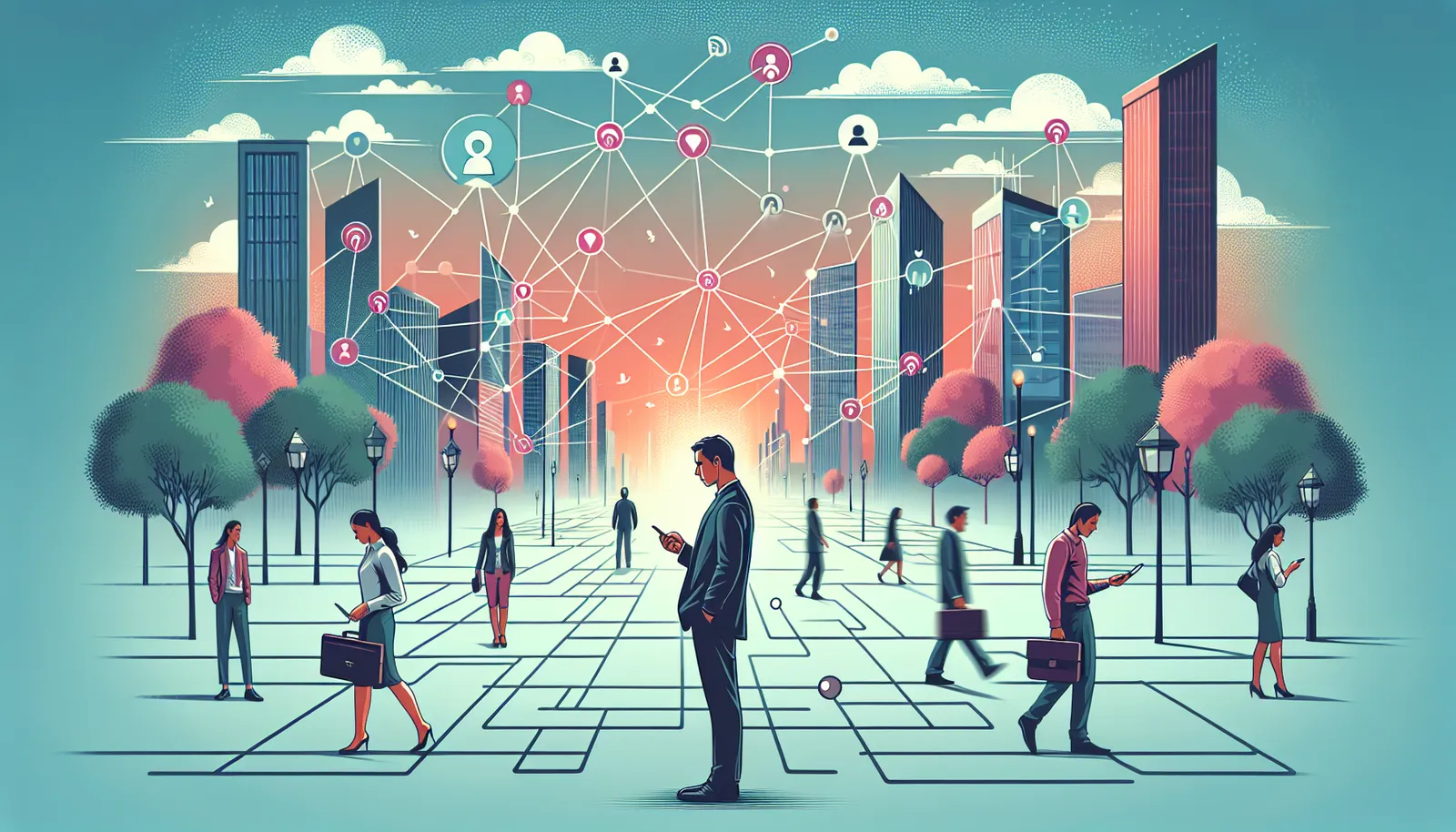
Social media has transformed the way we communicate, allowing users to maintain relationships across vast distances and stay updated on the lives of friends and family. However, this hyper-connectivity often contrasts with genuine emotional connection. In urban environments, where people are surrounded by millions yet still experience profound loneliness, understanding this dynamic is essential. The concept of urban connection has evolved; while we are linked digitally, the quality of our interactions may be lacking, leading to a sense of disconnection.
This article will explore how social media can simultaneously act as a bridge and a barrier in human relationships. We will analyze how the curated lives presented online can create unrealistic expectations and foster feelings of inadequacy, ultimately contributing to loneliness. Furthermore, we will discuss the implications of this phenomenon on mental health and well-being, referencing insights from industry experts and recent research findings.
To gain a deeper understanding of the impact of social media on loneliness, we will reference a recent report from the American Psychological Association that highlights the psychological effects of social media usage. Additionally, we will consider insights from TechCrunch’s latest analysis, which delves into the evolving nature of social interactions in the digital landscape.
As we navigate this exploration, it is crucial to engage with the nuances of social media’s impact on our lives, acknowledging both its benefits and its potential to exacerbate feelings of loneliness. Join us as we uncover the complexities of our digital connections and their implications for our emotional well-being.
The Impact of Social Media on Mental Health
Understanding Mental Health
Mental health encompasses emotional, psychological, and social well-being. It affects how individuals think, feel, and act, playing a crucial role in managing stress, relating to others, and making choices. In recent years, mental health has gained increased attention, especially with the rise of social media as a ubiquitous part of everyday life.
The World Health Organization (WHO) states that mental health is a state of well-being in which individuals realize their abilities, can cope with the normal stresses of life, work productively, and contribute to their communities. Unfortunately, the digital age has brought both opportunities and challenges in maintaining mental health.
Social Media’s Role
Social media platforms such as Facebook, Instagram, and Twitter have become integral to daily communication and interaction. While these platforms provide avenues for connection and support, they also have been linked to increased feelings of loneliness and isolation.
Recent studies indicate a notable correlation between social media use and mental health challenges, such as anxiety and depression. For instance, a survey conducted by the Pew Research Center found that 36% of social media users reported feeling more isolated after using these platforms, despite the intent to connect with others. This highlights a significant paradox in the relationship between social media and loneliness.
Key Findings on Social Media and Loneliness:
- Increased Loneliness: A study published in the American Journal of Preventive Medicine found that individuals who spend more than two hours a day on social media are significantly more likely to report feelings of loneliness than those who use it less frequently.
- Perception vs. Reality: Users often curate their online personas, presenting idealized versions of their lives. This can lead to unhealthy comparisons and feelings of inadequacy among peers, contributing to loneliness.
- Surveys Reflecting User Sentiments: In a recent survey by Cigna, 61% of Americans reported feeling lonely, with a significant portion attributing their loneliness to excessive social media use.
| Study/Survey | Key Insight |
|---|---|
| Pew Research Center | 36% of social media users feel more isolated after using these platforms |
| American Journal of Preventive Medicine | Increased social media use correlates with higher loneliness rates |
| Cigna Survey | 61% of Americans report feeling lonely, linking it to social media usage |
Expert Insights on the Relationship
Experts have weighed in on the complex relationship between social media and mental health. Dr. Jean Twenge, a psychologist and author of the book “iGen,” suggests that the rise in loneliness and mental health issues among young people correlates with increased social media use. She notes, “The more time people spend on social media, the more likely they are to feel lonely.”
Furthermore, a recent study from the University of Pennsylvania indicates that limiting social media use to 30 minutes a day can lead to significant reductions in loneliness and depression. These findings suggest that moderation and mindful use of social media may be key to mitigating its negative effects on mental health.
Conclusion
The relationship between social media and loneliness is complex and multifaceted. While social media platforms have the potential to enhance connections in our increasingly urban and digital age, they can also contribute to feelings of isolation and loneliness. Understanding these dynamics is crucial as we navigate our interactions in a world that is both interconnected and, at times, isolating.
In exploring the impact of social media on mental health, it becomes clear that a balanced approach is necessary. Individuals should be encouraged to engage mindfully with social media, seeking genuine connections rather than comparing their lives to curated online personas.
For more insights into the impact of social media on mental health, consider exploring Pew Research Center’s findings and Cigna’s 2021 Loneliness Index.
As we continue to delve into the relationship between social media and loneliness, understanding these dynamics will be essential for fostering healthier online environments and connections.
Current Trends in Social Media Usage
The landscape of social media is rapidly evolving, with new platforms and user behaviors emerging that significantly influence the relationship between social media and loneliness. This section delves into the rise of visual platforms and user engagement patterns, highlighting how they shape online interactions and contribute to feelings of isolation.
Rise of Visual Platforms
In recent years, visual platforms such as Instagram and TikTok have surged in popularity, capturing the attention of millions, especially among younger demographics. These platforms prioritize images and videos, allowing users to express themselves in dynamic ways. Notable trends include:
Increased Visual Content: A significant shift from text-based posts to visually driven content has been observed. According to a report from Statista, as of 2023, over 1 billion people actively use Instagram, while TikTok boasts around 1 billion monthly active users.
Short-Form Video Dominance: TikTok’s emphasis on short, engaging videos has redefined content consumption. This format appeals to the dwindling attention spans of users and keeps them engaged for longer periods. Data from Hootsuite indicates that users now spend an average of 52 minutes per day on TikTok alone.
Influencer Culture: The rise of influencers on these platforms has fostered a culture of curation, where users meticulously craft their online personas. This often leads to comparisons and feelings of inadequacy among peers. A survey conducted by the American Psychological Association found that 45% of young adults feel pressured to present a perfect image online, exacerbating feelings of loneliness.
User Engagement Patterns
Understanding how users engage with these platforms sheds light on the paradox of social media: while it aims to connect individuals, it can simultaneously foster feelings of isolation.
Curated Online Lives: Many users invest significant effort into curating their online presence, often showcasing only the most polished aspects of their lives. This can create a false narrative of unachievable lifestyles and contribute to social media loneliness.
Comparative Analysis: A study by the Pew Research Center in 2023 revealed that 60% of young adults feel inadequate when comparing their lives to those of others on social media. This comparison can lead to diminished self-esteem and further isolation, as individuals may withdraw from social interactions in real life.
Engagement vs. Connection: While platforms like Instagram and TikTok encourage interaction through likes, comments, and shares, these engagements often lack depth. A 2022 study from the Journal of Social and Personal Relationships found that superficial interactions could lead to feelings of loneliness, as users crave authentic connections that are often missing in digital exchanges.
Data on Loneliness: Despite spending significant time on social media, younger demographics report higher levels of loneliness. According to a 2023 study by Cigna, 61% of Gen Z respondents reported feeling lonely, a stark contrast to their high social media usage. This discrepancy highlights the need for a critical relationship exploration between social media usage and emotional well-being.
The Impact of Social Media
The relationship between social media and loneliness is complex and multifaceted. While these platforms can offer quick interactions and a sense of community, they can also lead to negative psychological effects. Key insights include:
Superficial Interactions: The nature of online engagement often lacks the emotional depth found in face-to-face interactions. This can leave users feeling disconnected and lonely, despite being “connected” online.
Increased Screen Time: As users spend more time on these visual platforms, they may replace real-world interactions with online consumption. A report from the National Institute of Health indicates that excessive screen time correlates with a rise in feelings of loneliness and depression.
Need for Authentic Connection: As users become more aware of the impact of social media loneliness, there is a growing demand for platforms to foster genuine connections. This has prompted some platforms to introduce features aimed at promoting meaningful interactions, such as group video chats and community-building tools.
In conclusion, the current trends in social media usage, particularly the rise of visual platforms and the nature of user engagement, significantly impact feelings of loneliness. As we continue to explore this relationship, it becomes increasingly clear that while social media offers a means of connection, it also poses challenges that must be addressed to foster healthier online environments.
For further insights into the trends of social media and its implications, consider exploring Pew Research Center’s findings and the analysis from Statista on social media usage.
Urban Connection in the Digital Age
The urban landscape, characterized by its densely populated environments, presents unique challenges for social interaction and community building. While cities are often perceived as hubs of connection, the reality for many urban dwellers is a profound sense of isolation. This paradox of urban connection and loneliness is further complicated by the role of social media, which can both alleviate and exacerbate feelings of loneliness.
Urban Isolation
Urban environments can amplify feelings of loneliness due to several factors:
- Physical Proximity vs. Emotional Distance: In large cities, people may live in close physical proximity to one another, yet remain emotionally disconnected. The hustle and bustle of urban life often leaves little room for meaningful interactions.
- High Mobility: Urban populations are frequently transient, with people moving in and out of neighborhoods. This constant flux can hinder the development of lasting relationships and a sense of community.
- Increased Competition: The competitive nature of city life can lead individuals to prioritize career goals over social connections, further isolating them.
Recent studies highlight this phenomenon. According to a survey by the American Psychological Association, nearly 61% of urban residents report feeling lonely, with younger individuals aged 18-29 experiencing the highest levels of social media loneliness despite their online interactions. This disconnect raises critical questions about the efficacy of digital connections in fostering genuine relationships.
Digital Communities
In contrast to the isolation many feel in urban areas, online communities offer a potential solution. Platforms such as Facebook, Twitter, and Reddit have created spaces for people to connect over shared interests, geographical locations, or life experiences. However, these online interactions often lack depth, presenting a mixed bag of benefits and drawbacks.
- Sense of Belonging: Digital communities can provide a sense of belonging for individuals who struggle to connect in their physical environments. For instance, individuals with niche interests or marginalized identities can find supportive networks online.
- Surface-Level Interactions: While online friendships can mitigate feelings of loneliness, they often lack the emotional depth of in-person relationships. A study conducted by the Pew Research Center found that 27% of social media users feel that their online friendships are less fulfilling than their real-life relationships.
Case Studies of Urban Dwellers:
Emily, 27, New York City: Emily moved to New York for her career. Despite being surrounded by millions, she often feels isolated. She has numerous online friends but admits that these relationships lack the intimacy and support she craves. Emily’s situation exemplifies a common experience; she finds herself scrolling through social media late into the night, seeking connection but feeling increasingly lonely.
David, 34, London: David is an avid gamer who spends hours connecting with friends online. While he enjoys these interactions, he often feels a sense of emptiness when he logs off. David has expressed that his online connections do not fulfill his need for face-to-face interactions, illustrating the limitations of digital communities in combating urban loneliness.
Aisha, 22, Los Angeles: Aisha relocated to Los Angeles for her studies. Engaging in multiple online groups related to her interests, she initially felt a sense of community. However, she soon realized that her online interactions could not replace the warmth of in-person friendships. Aisha’s experience underscores the notion that while online communities can be a refuge, they cannot wholly substitute for the bonds formed in physical spaces.
The impact of social media on loneliness is further evidenced by recent data from the National Institute of Mental Health, which indicates that individuals who spend more than two hours a day on social media platforms are significantly more likely to report feelings of loneliness.
Conclusion
The relationship exploration between urban living and social media reveals a complex interplay between connection and isolation. While digital communities provide a means to combat loneliness, they often fall short of offering the depth and emotional fulfillment found in face-to-face interactions. As urbanization continues to rise, understanding these dynamics will be crucial in addressing social media loneliness and fostering meaningful connections in the digital age.
For further insights into the effects of social media on mental health, check out the recent analysis by Pew Research Center and the findings from Harvard University on urban isolation trends.
The Role of Social Media in Fostering Connections
In the digital age, social media serves as a powerful tool for fostering connections among individuals. While the debate surrounding social media loneliness continues, it is essential to explore the ways in which these platforms can create meaningful interactions and support networks, particularly for marginalized groups. This section delves into the positive connections facilitated by social media and how it can provide emotional support that might be unavailable offline.
Positive Connections
Social media platforms have the potential to create connections that transcend geographical boundaries. They allow users to engage with others who share similar interests, experiences, or challenges. Notable examples include:
Facebook Groups: Many users join specific groups that align with their interests or personal struggles. For instance, groups focused on mental health, chronic illnesses, or parenting challenges provide safe spaces for individuals to share their experiences, seek advice, and gain encouragement.
Twitter Communities: With the introduction of Twitter Spaces, users can host live audio discussions on various topics. This feature has enabled communities to form around shared interests, creating a sense of belonging and connection.
Instagram Support Networks: Instagram has become a platform where users share their journeys related to body positivity, mental health, or personal growth. Hashtags like #MentalHealthAwareness or #BodyPositivity foster communities that encourage support and understanding.
Research indicates that these online interactions can lead to emotional benefits. A study published in the journal Cyberpsychology, Behavior, and Social Networking found that individuals who engage in online communities report lower levels of loneliness and enhanced well-being compared to those who do not participate in such groups. The study suggests that social media can provide a sense of belonging, particularly for those who may feel isolated in their offline lives (source).
Support Networks
Social media is particularly effective in creating support networks for marginalized groups. These networks can help combat loneliness and provide a sense of community. Some prominent examples include:
LGBTQ+ Support: Platforms like Reddit feature dedicated threads for LGBTQ+ individuals, allowing them to share their experiences, seek advice, and connect with others who understand their struggles. The subreddit r/lgbt has over 600,000 members, providing a vast network for support and affirmation.
Mental Health Advocacy: Organizations like NAMI (National Alliance on Mental Illness) have leveraged social media to create awareness and support. Their Facebook page offers resources, community engagement, and discussions that help destigmatize mental health issues.
Chronic Illness Communities: Instagram users often create accounts dedicated to sharing their journeys with chronic illnesses, such as diabetes or lupus. These accounts provide not only information but also emotional support, as followers share their struggles and victories in managing their health.
A survey conducted by the Pew Research Center found that nearly 70% of adults believe social media helps them connect with others who share similar experiences. Additionally, 54% of respondents stated that social media has positively impacted their mental health by providing them with support and information (source).
The Impact of Social Media
The impact of social media on loneliness and connection is significant, particularly in urban environments where individuals may feel isolated despite being surrounded by others. The phenomenon of “urban connection” highlights how social media can bridge the gap between physical proximity and emotional distance.
Social media enables users to maintain relationships that may otherwise dwindle due to busy lifestyles. The ability to send quick messages, share updates, or simply “like” a post can reinforce connections, helping individuals feel less lonely.
Key Takeaways
- Social media platforms create opportunities for individuals to connect over shared interests and experiences, potentially reducing feelings of loneliness.
- Support networks formed through social media can provide essential emotional support, especially for marginalized groups.
- The perception of social media as a source of connection is prevalent, with a significant portion of adults recognizing its benefits for mental health.
In conclusion, while social media loneliness is a legitimate concern, it is crucial to acknowledge the role that these platforms play in fostering connections and building support networks. As we continue to navigate the complexities of the digital landscape, understanding the positive aspects of social media can help individuals leverage these tools to combat loneliness and enhance their emotional well-being.
For more insights on the relationship between social media and well-being, consider exploring NPR’s coverage on mental health and social media and the Harvard study on social media’s impact on relationships.
Future Projections and Emerging Developments
As society continues to navigate the complexities of the digital age, the dynamics of social media and loneliness are set to evolve significantly. Several key trends are emerging that will reshape how social media impacts feelings of loneliness and social connection.
Technology and Loneliness
Advancements in technology are likely to redefine the relationship between social media and loneliness. Emerging technologies, such as artificial intelligence (AI) and virtual reality (VR), present new opportunities for fostering genuine connections among users. Current data suggests that users increasingly desire more meaningful interactions, leading to a shift in platform design and functionality.
AI-Driven Content Curation: Social media platforms are integrating AI to filter content and suggest connections based on user preferences and behaviors. This can facilitate more relevant interactions, potentially reducing feelings of isolation.
Virtual Reality Communities: Companies like Meta are investing in VR technologies to create immersive social experiences. According to a report from The Verge, VR platforms are poised to offer users a new way to connect, bridging geographical gaps and enabling more personal interactions.
Predictive Analytics for Mental Health: Platforms are beginning to utilize predictive analytics to identify users who may be experiencing social media loneliness. This technology can prompt interventions or direct users to support resources when needed.
Recent studies indicate that social media platforms that emphasize the quality of interactions over quantity can significantly mitigate feelings of loneliness. For instance, a survey by the Pew Research Center found that 36% of users prefer platforms that prioritize genuine connections, highlighting a shift towards quality engagement.
Evolving User Expectations
As users become more aware of the impact of social media on their mental health, their expectations are changing. The contemporary digital landscape is pushing for authenticity over the curated, often unrealistic portrayals of life that characterize many social media feeds.
Desire for Authenticity: Users are increasingly favoring platforms that emphasize real-life experiences. A recent study published by Harvard University shows that 60% of users report feeling pressured to present a curated version of their lives, contributing to feelings of inadequacy and loneliness.
Emerging Platforms: New social media platforms, such as BeReal, encourage users to share unedited moments from their lives. This authenticity resonates with users seeking genuine connections, potentially reducing social media loneliness.
Community-Based Features: Current trends indicate a rise in features that foster community, such as collaborative projects and group activities. These features can help users feel part of a collective experience, combating isolation. For example, Discord has gained popularity for its focus on community interaction in various interest-based servers.
Predictions for the Future
Looking ahead, several predictions can be made about the future of social media and its relationship with loneliness:
Rise of Niche Platforms: As users seek more tailored experiences, niche social media platforms that cater to specific interests or demographics will likely gain traction. This could lead to deeper connections among users with shared passions.
Integration of Mental Health Features: Social media platforms may increasingly integrate mental health resources directly into their interfaces. For instance, tools for mindfulness, peer support, or access to licensed therapists could become standard features.
Increased User Agency: Users will have more control over their social media experiences, including how they engage with content and connections. Features that allow users to curate their feeds based on emotional well-being will be in demand.
The impact of social media on loneliness will continue to be a crucial area of research and development. As platforms adapt to user needs, the goal will be to create spaces that not only facilitate connection but also contribute positively to mental health.
In conclusion, the ongoing relationship exploration between social media and loneliness will be shaped by technological advancements and evolving user expectations. By prioritizing authenticity and community, social media can play a crucial role in fostering urban connection in the digital age.
For more insights on the future of technology and social media, consider checking out the latest trends from TechCrunch and research findings from Pew Research Center.

Key Takeaways
In conclusion, the relationship between social media and loneliness is both intricate and nuanced. As we navigate the digital landscape, it is clear that social media can serve as a double-edged sword, affecting feelings of isolation in various ways. On one hand, it offers a platform for connection and community, while on the other, it can exacerbate feelings of loneliness when interactions lack depth and authenticity.
Currently, the challenge lies in fostering genuine connections online. Users are encouraged to engage meaningfully with their networks rather than merely scrolling through feeds. Initiating conversations, supporting others, and sharing personal experiences can lead to stronger bonds that mitigate feelings of isolation. As highlighted by a recent study from Psychology Today, investing time in nurturing online relationships can serve as a buffer against loneliness.
Nowadays, it is crucial for individuals and platforms alike to recognize the importance of authenticity in online interactions. The trend is shifting toward more genuine exchanges, with users increasingly seeking content that resonates on a personal level. This shift is echoed in a report by Forbes, which emphasizes the growing demand for platforms that prioritize user well-being and authentic engagement.
Looking ahead, we can anticipate a future where social media evolves to foster deeper connections. Emerging trends suggest a rise in features that promote authenticity, such as video storytelling, live interactions, and community-driven content. These innovations are likely to create more immersive and meaningful online experiences, ultimately helping to combat loneliness.
As we reflect on this complex interplay between social media and loneliness, the call to action is clear: we must be intentional about how we engage online. By prioritizing authentic interactions and supporting one another, we can harness the potential of social media to enrich our lives rather than diminish our connections. Taking small steps鈥攕uch as reaching out to a friend or joining an online community鈥攃an make a significant difference in combating feelings of isolation.
In summary, as we navigate the evolving landscape of social media, let us strive for authenticity and connection. Embracing these values not only enhances our online experiences but also helps to build a more supportive and connected community, ultimately reducing the pervasive issue of loneliness. Let鈥檚 actively reshape our digital interactions for a more positive future.
Frequently Asked Questions
How does social media contribute to feelings of loneliness?
Social media can contribute to feelings of loneliness by creating a false sense of connection. Users often curate their online personas, leading to unrealistic comparisons and feelings of inadequacy. Additionally, excessive time spent on social media can result in reduced face-to-face interactions, further exacerbating loneliness. The dopamine-driven nature of likes and shares can lead to emotional highs followed by lows, leaving individuals feeling isolated despite being connected online.
What are the current trends in social media usage related to mental health?
Current trends indicate that social media is increasingly recognized for its impact on mental health. Many platforms are implementing features aimed at promoting well-being, such as tools for managing screen time and resources for mental health support. Additionally, there’s a growing awareness of the importance of digital detoxes, where users take breaks from social media to improve their mental health. Research suggests a shift towards more meaningful interactions rather than superficial engagements.
Can social media provide meaningful connections that counter loneliness?
Yes, social media can provide meaningful connections that help counter loneliness. By joining online communities, users can find like-minded individuals who share similar interests or experiences. These connections can foster a sense of belonging and support. Additionally, social media allows for maintaining relationships over long distances, enabling users to stay in touch with friends and family. However, the key lies in using social media intentionally to cultivate genuine interactions rather than passive scrolling.
What strategies can individuals use to mitigate loneliness on social media?
To mitigate loneliness on social media, individuals can adopt several strategies. First, they should prioritize quality over quantity by engaging with a select group of friends or communities that foster meaningful conversations. Setting time limits on social media use can also help prevent feelings of overwhelm. Participating in online events or discussions centered around personal interests can create deeper connections, while taking regular breaks from social media can provide a necessary mental reset.
How does the portrayal of life on social media affect loneliness?
The portrayal of life on social media often emphasizes idealized versions of reality, which can significantly affect loneliness. When users see curated highlights of others’ lives, they may feel inadequate or disconnected from their own experiences. This constant comparison can lead to feelings of isolation and dissatisfaction. Recognizing that these portrayals are often selective can help users develop a healthier relationship with social media and reduce feelings of loneliness.
What role do online support groups play in combating loneliness?
Online support groups play a crucial role in combating loneliness by providing a safe space for individuals to share their feelings and experiences. These groups often focus on specific issues, such as mental health, grief, or chronic illness, allowing members to connect with others who understand their struggles. The support and empathy found in these communities can foster a sense of belonging, helping to alleviate feelings of isolation and loneliness.
How can users identify unhealthy social media habits?
Users can identify unhealthy social media habits by reflecting on their feelings and behaviors while online. Signs include feeling anxious or inadequate after scrolling, spending excessive time on platforms, or using social media as a primary means of social interaction. Additionally, if social media interferes with daily responsibilities or real-life relationships, it may indicate a need for change. Keeping a journal of feelings associated with social media use can help users become more self-aware and make necessary adjustments.
What is the impact of social media on young people’s loneliness?
The impact of social media on young people’s loneliness is complex. While it can offer opportunities for connection, it can also lead to increased feelings of isolation. Young users may experience pressure to maintain an ideal image, contributing to anxiety and loneliness. Studies indicate that the more time young people spend on social media, the higher their feelings of loneliness may become. Encouraging balanced use and fostering offline relationships can help mitigate these effects.