
Essential Tips for Practicing Self-Care in Urban Settings
Discover essential self-care tips for urban living, focusing on urban wellness practices and the best self-care methods for city dwellers.
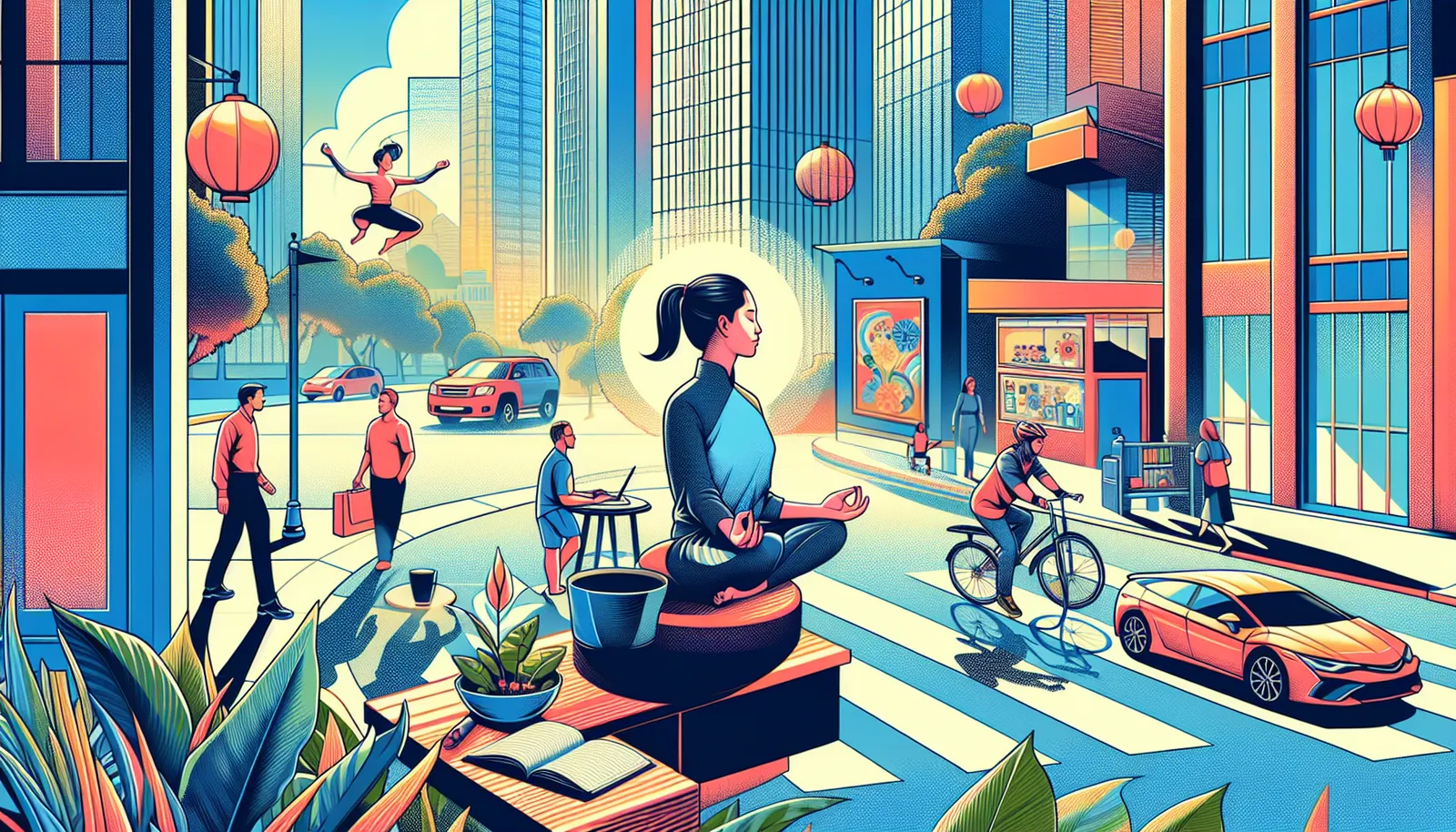

25 min read
What You Need to Know
In recent times, a significant 78% of urban dwellers report feeling overwhelmed by the fast-paced nature of city life, according to a recent study published by Psychology Today. This staggering statistic underscores the critical need for self-care, especially in bustling urban environments where stressors can be magnified. With the constant buzz of city living鈥攖raffic congestion, noise pollution, and the relentless pace of work鈥攑rioritizing self-care has never been more vital.
This article will delve into essential self-care tips tailored for urban settings, exploring the importance of self-care practices amidst the chaos of city life. We will examine recent trends in urban wellness practices, including innovative approaches that have emerged to counteract the unique challenges faced by city inhabitants. Furthermore, we will provide practical advice on how to practice self-care effectively, ensuring that you can carve out moments of peace and rejuvenation despite the demands of urban living.
- The importance of self-care in fast-paced urban environments.
- Recent trends in urban wellness practices.
- How to practice self-care effectively amidst city life.
As urban living continues to evolve, so too do the best self-care methods available to residents. From mindful commuting to city-based retreats, the landscape of urban wellness is diverse and continually adapting. By incorporating these strategies into your daily routine, you can foster resilience and enhance your overall well-being, even in the heart of the city. To explore some of the most effective urban wellness practices currently being embraced, refer to Healthline’s comprehensive guide on self-care strategies.
Whether you鈥檙e a long-time city resident or a newcomer navigating the urban jungle, understanding how to practice self-care can empower you to reclaim your time and mental space. Let鈥檚 dive into the essential tips that will help you nurture your well-being amidst the hustle and bustle of urban life.
Understanding Urban Stressors
Urban living can be both exhilarating and overwhelming, characterized by vibrant cultures, diverse communities, and dynamic opportunities. However, it also presents unique stressors that can significantly impact mental health and well-being. This section will explore common urban stressors and their implications on mental health, laying the foundation for effective self-care tips in urban settings.
Identifying Common Urban Stressors
Urban environments are often marked by various stressors that can affect residents’ mental and emotional health. Among the most prevalent stressors are:
High Population Density: Urban areas typically have a higher population density, leading to increased competition for resources, housing, and jobs. This competition can create a constant state of pressure and anxiety. Recent statistics reveal that urban residents report anxiety levels that are 20% higher than those living in rural areas, as highlighted by the American Psychological Association.
Noise Pollution: Cities are often filled with sounds from traffic, construction, and nightlife, leading to noise pollution that can disrupt sleep and increase stress levels. A study published in the journal Environmental Health Perspectives found that chronic exposure to noise can contribute to cardiovascular problems and heightened anxiety.
Limited Access to Nature: Access to green spaces is often scarce in urban settings, which can adversely affect mental health. Research indicates that individuals living in areas with less greenery are more likely to experience feelings of stress and anxiety. According to the World Health Organization, spending time in nature can reduce stress levels significantly, yet many urban residents find it challenging to connect with natural environments.
Social Isolation: Despite being surrounded by people, urban dwellers often experience feelings of isolation. The fast-paced nature of city life can lead to superficial interactions, making it difficult to forge meaningful connections. Studies show that social isolation is linked to increased rates of depression and anxiety, particularly in urban populations.
The Impact of Urban Living on Mental Health
The cumulative effects of urban stressors can lead to serious mental health challenges. Research indicates that urban residents are 50% more likely to develop mood disorders compared to their rural counterparts. This statistic, published in a study by the National Institute of Mental Health, underscores the urgent need for effective urban wellness practices.
Higher Incidence of Mental Health Disorders: Urban residents frequently report higher levels of stress, anxiety, and depression. A recent survey by the Pew Research Center found that nearly 30% of city dwellers reported feeling stressed frequently, compared to just 15% in rural areas.
Stress-Induced Health Issues: The stress associated with urban living is not just psychological; it can manifest physically as well. Chronic stress can lead to various health issues, including hypertension, heart disease, and weakened immune responses. The Mayo Clinic states that long-term exposure to stress can have detrimental effects on overall health, highlighting the need for effective self-care strategies.
Economic Pressures: The high cost of living in urban settings can exacerbate stress levels. Many urban residents struggle with financial instability, leading to anxiety about job security and living expenses. According to a report from Bloomberg, the rising cost of housing in major cities has made it increasingly difficult for residents to maintain a comfortable standard of living, adding to mental health concerns.
Transportation Stress: Commuting in urban environments can be particularly taxing. Long commute times and crowded public transportation can lead to increased frustration and fatigue. A report from the Federal Transit Administration indicates that urban dwellers spend an average of 54 minutes commuting each day, contributing to feelings of stress and burnout.
In summary, urban living presents a unique set of challenges that can significantly impact mental health. With higher population density, noise pollution, limited access to nature, social isolation, and economic pressures, urban residents face a complex landscape of stressors. Recognizing these factors is essential for developing effective self-care tips for urban wellness practices.
As this article unfolds, we will explore the best self-care methods tailored specifically to address these urban stressors, providing actionable insights on how to practice self-care effectively in bustling city environments. By understanding the challenges of urban living, individuals can better equip themselves to navigate stress and prioritize their mental well-being.
For further reading on the effects of urbanization on mental health, consider exploring the studies published by the World Health Organization and the American Psychological Association. These resources provide valuable insights into the intersection of urban living and mental health, helping to frame the conversation around self-care in urban settings.
Creating a Personal Self-Care Routine
Developing a personalized self-care routine is a crucial aspect of maintaining mental and physical health, especially in urban settings where stressors can be abundant. A tailored approach can enhance the effectiveness of self-care efforts, allowing individuals to address their unique needs and preferences. In this section, we will explore how to assess your needs and incorporate mindfulness practices into your self-care routine.
Assessing Your Needs
The first step in creating a personal self-care routine is to assess your needs. This involves taking a reflective look at various aspects of your life, including your physical, emotional, and social well-being. Here are some steps you can take to evaluate your self-care needs:
Identify Stressors: Recognize the specific stressors in your urban environment that impact your well-being. This can include noise, crowded spaces, long commutes, or demanding work schedules.
Evaluate Current Practices: Take note of what self-care practices you currently engage in. Are they effective? What are the gaps in your routine?
Set Goals: Define what you want to achieve through your self-care routine. Do you want to reduce anxiety, improve physical health, or cultivate deeper relationships?
Consider Lifestyle: Reflect on your daily routine, including work hours, social commitments, and personal interests. How much time can you realistically dedicate to self-care?
Seek Feedback: Sometimes, friends or family can provide valuable insights into areas where you may need more self-care. Consider discussing your feelings with trusted individuals.
Research indicates that personalized self-care routines are linked to improved mental health outcomes. A study published in the Journal of Urban Health found that individuals who engaged in tailored self-care practices reported higher levels of life satisfaction and lower levels of stress (source: Journal of Urban Health).
Incorporating Mindfulness Practices
Mindfulness practices have gained significant traction in urban settings due to their effectiveness in managing stress and promoting overall wellness. Mindfulness involves being present in the moment and observing thoughts and feelings without judgment. Incorporating mindfulness into your self-care routine can be done through various methods:
Meditation: Utilize apps like Headspace and Calm, both of which offer guided meditations tailored for beginners and advanced users alike. These apps have surged in popularity; for instance, as of 2023, Headspace reported over 2 million active users in urban areas alone.
Breathing Exercises: Simple breathing techniques can be effective in reducing stress. Consider the 4-7-8 technique, where you inhale for 4 seconds, hold for 7 seconds, and exhale for 8 seconds. This method can be practiced anytime, anywhere, making it ideal for urban dwellers.
Mindful Walking: Take a few minutes during your commute to focus on your surroundings. Notice the sights, sounds, and smells around you. This practice can help ground you in the present moment.
Yoga: Urban wellness practices often include yoga, which combines physical postures with mindfulness. Many cities offer outdoor yoga classes in parks, creating a serene environment amidst urban chaos.
Journaling: Writing about your thoughts and feelings can be a form of mindfulness. Apps like Day One make it easy to keep a digital journal, allowing you to reflect on your day and track your emotional state.
Incorporating mindfulness into your routine can yield numerous benefits. According to a study by the American Psychological Association, mindfulness practices can lead to a 30% reduction in stress when practiced regularly (source: American Psychological Association).
Conclusion
Creating a personal self-care routine is essential in navigating the challenges of urban life. By assessing your needs and incorporating mindfulness practices, you can develop a customized approach that enhances your overall well-being. As urban environments continue to evolve, adopting effective self-care tips will become increasingly vital for maintaining a balanced lifestyle.
For further insights on mindfulness and self-care in urban settings, explore resources from Mindful and NPR’s Health & Wellness section. These platforms offer a wealth of information on best self-care methods and how to practice self-care effectively in a fast-paced world.
Utilizing Urban Resources for Self-Care
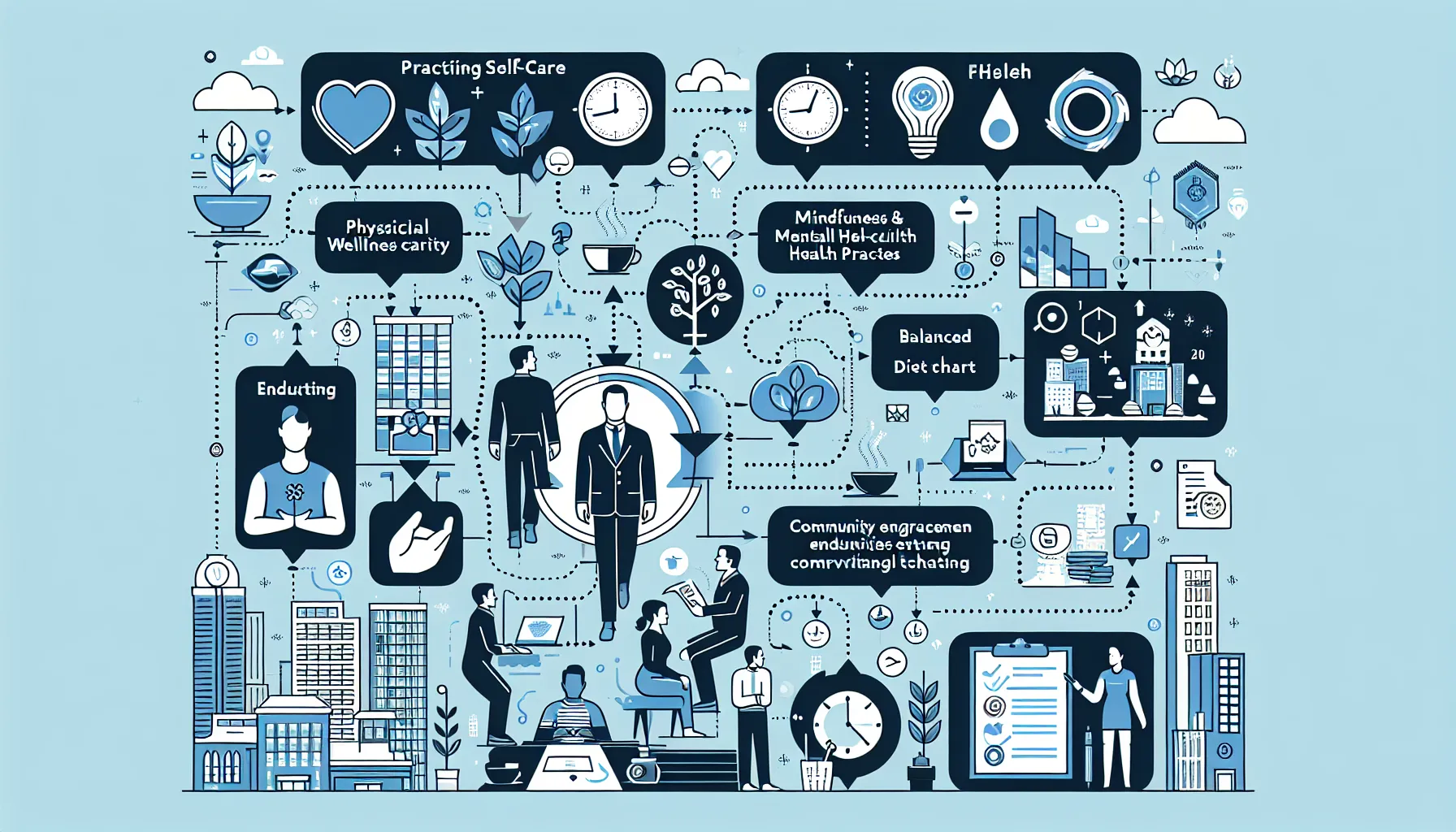
In the hustle and bustle of city life, it can often feel challenging to prioritize self-care. However, urban settings are rich with resources that can support your wellness journey. By exploring local wellness options and connecting with community resources, you can integrate effective self-care practices into your daily routine. This section will delve into how to practice self-care using the amenities and services available in urban environments.
Exploring Local Wellness Options
Cities are increasingly recognizing the importance of wellness, leading to a proliferation of gyms, wellness centers, and holistic health options. These facilities not only offer traditional fitness classes but also a variety of self-care activities that promote physical and mental well-being. Here are some examples:
Local Gyms and Fitness Studios: Many urban areas boast a wide range of fitness centers, from high-end gyms like Equinox to boutique studios specializing in yoga, pilates, or spin classes. Participating in group classes can foster a sense of community while also allowing you to explore different forms of exercise.
Wellness Centers: Urban wellness centers often provide a range of services, including massage therapy, acupuncture, and nutrition counseling. For instance, The Well in New York City offers a holistic approach to wellness, combining fitness classes with spa services.
Meditation and Mindfulness Spaces: Cities are also home to dedicated meditation spaces and studios. For example, The Den Meditation in Los Angeles offers classes that help individuals manage stress and enhance mental clarity, which are crucial aspects of self-care.
Outdoor Spaces and Parks: Urban parks are vital for relaxation and exercise, offering spaces for jogging, yoga, or simply enjoying nature. According to a study published in the journal Environmental Health Perspectives, access to green spaces can significantly improve mental health and reduce stress levels (source: Environmental Health Perspectives).
Connecting with Community Resources
Community engagement plays a pivotal role in self-care. Engaging with local resources can enhance your feeling of connectedness, which is vital for emotional well-being. Here are some community resources that can contribute to your self-care routine:
Community Gardens: Many urban areas have community gardens where residents can cultivate plants, herbs, and vegetables. This not only fosters a sense of accomplishment but also promotes healthy eating. Participating in gardening can also serve as a form of physical activity and mindfulness.
Workshops and Classes: Local organizations often host workshops focused on various aspects of wellness, including cooking classes, art therapy, or mindfulness training. For instance, cities like Portland and San Francisco frequently organize events that encourage residents to learn new skills while connecting with others.
Wellness Festivals and Events: Many cities now host wellness festivals that feature workshops, fitness classes, and wellness vendors. Events like the annual Wellness Festival in Chicago gather various local businesses and practitioners, creating a one-stop-shop for self-care exploration.
Support Groups and Meetups: Utilizing platforms like Meetup.com can help you find local groups focused on mental health, fitness, or other wellness-related interests. These gatherings can provide emotional support and foster friendships with like-minded individuals.
Statistics and Insights
Recent data highlights the growing recognition of wellness in urban settings. According to a report from the Global Wellness Institute, the wellness economy is now valued at over $4.5 trillion, with a significant portion attributed to urban wellness practices (source: Global Wellness Institute). This trend reflects a societal shift toward prioritizing health and well-being, particularly in densely populated areas.
Additionally, a survey conducted by the American Psychological Association found that urban residents who engage in community activities report higher levels of happiness and lower levels of stress than those who do not. This underscores the importance of connecting with local resources as a critical self-care method.
Conclusion
Urban environments can be a goldmine for self-care opportunities if you know where to look. By exploring local wellness options and connecting with community resources, you can effectively integrate self-care into your daily life. Whether it鈥檚 joining a fitness class, participating in community gardening, or attending local wellness events, these urban wellness practices can significantly enhance your overall well-being. Remember, prioritizing self-care is not just a personal journey; it鈥檚 about engaging with the resources your city has to offer. By doing so, you can cultivate a healthier, more balanced lifestyle amidst the urban landscape.
Innovative Self-Care Practices in Urban Areas
In urban environments, where the hustle and bustle can easily overwhelm, innovative self-care practices are essential for maintaining mental and emotional well-being. Among these practices, digital detox strategies and nature-based urban activities have gained significant traction as effective methods for enhancing urban wellness. This section explores these practices, supported by recent studies and expert insights.
Digital Detox Strategies
In today’s hyper-connected world, the need for a digital detox is increasingly recognized as vital for mental health. Urban dwellers often find themselves inundated with notifications, emails, and social media updates, leading to increased stress and anxiety. By intentionally stepping away from digital devices, individuals can reconnect with themselves and their surroundings, promoting a healthier state of mind.
Recent research highlights the alarming effects of constant digital engagement. A study published in the Journal of Social and Clinical Psychology found that participants who limited their social media usage to 30 minutes a day reported significantly lower levels of depression and loneliness after just three weeks. This suggests that even small changes in digital habits can have profound effects on mental well-being.
Effective Digital Detox Strategies:
Set Specific Times for Device Use:
- Designate certain hours of the day as tech-free periods.
- Use tools like the “Do Not Disturb” feature on smartphones to minimize distractions.
Engage in Offline Activities:
- Explore hobbies that do not involve screens, such as painting, reading, or cooking.
- Join local community groups or clubs to foster in-person connections.
Practice Mindfulness:
- Incorporate mindfulness practices into your daily routine, focusing on being present in the moment without digital distractions.
Use Apps for Digital Wellness:
- Consider using applications designed to track and limit screen time, helping to cultivate healthier digital habits.
Nature-Based Urban Practices
Urban nature walks and outdoor yoga are becoming increasingly popular as effective self-care methods. Recent studies indicate that spending time in nature can significantly reduce stress levels, improve mood, and enhance overall well-being. For instance, a study conducted by the University of Exeter found that individuals who spent at least two hours a week in green spaces experienced better health and higher life satisfaction.
Benefits of Nature-Based Practices:
Reduced Stress Levels:
- Engaging with natural environments has been shown to lower cortisol levels, the hormone associated with stress.
Enhanced Mood:
- Activities like walking in parks or practicing yoga outdoors can lead to improved mental health outcomes, including reduced anxiety and depression.
Increased Physical Activity:
- Nature-based practices encourage physical movement, contributing to better overall fitness and health.
Ideas for Incorporating Nature into Self-Care:
Urban Nature Walks:
- Seek out local parks, botanical gardens, or nature reserves to explore.
- Consider joining guided nature walks or eco-tourism groups in your city.
Outdoor Yoga Classes:
- Participate in outdoor yoga sessions offered in city parks or waterfronts. These classes often incorporate elements of mindfulness and community.
Gardening Initiatives:
- Engage in community gardening projects to foster connections with others while nurturing plants and green spaces.
Nature Retreats:
- Plan occasional retreats to natural settings outside the city for a deeper immersion in nature, allowing for substantial rejuvenation.
The integration of digital detox strategies and nature-based urban practices can significantly enhance self-care routines. Individuals can benefit from reducing their digital footprints while simultaneously reconnecting with the natural world around them.
Conclusion
As urban areas continue to expand and evolve, the importance of self-care in these environments cannot be overstated. Implementing innovative practices such as digital detoxes and nature-based activities can help individuals cultivate a sense of balance and well-being amidst the urban chaos.
By embracing these best self-care methods, urban dwellers can not only improve their mental health but also foster a deeper connection with themselves and their communities. For more insights on mental health and wellness, consider exploring resources from Harvard Health and NPR’s wellness section.
Incorporating these innovative self-care practices into daily routines can pave the way for a healthier, more fulfilling urban lifestyle.
Future Directions for Urban Self-Care
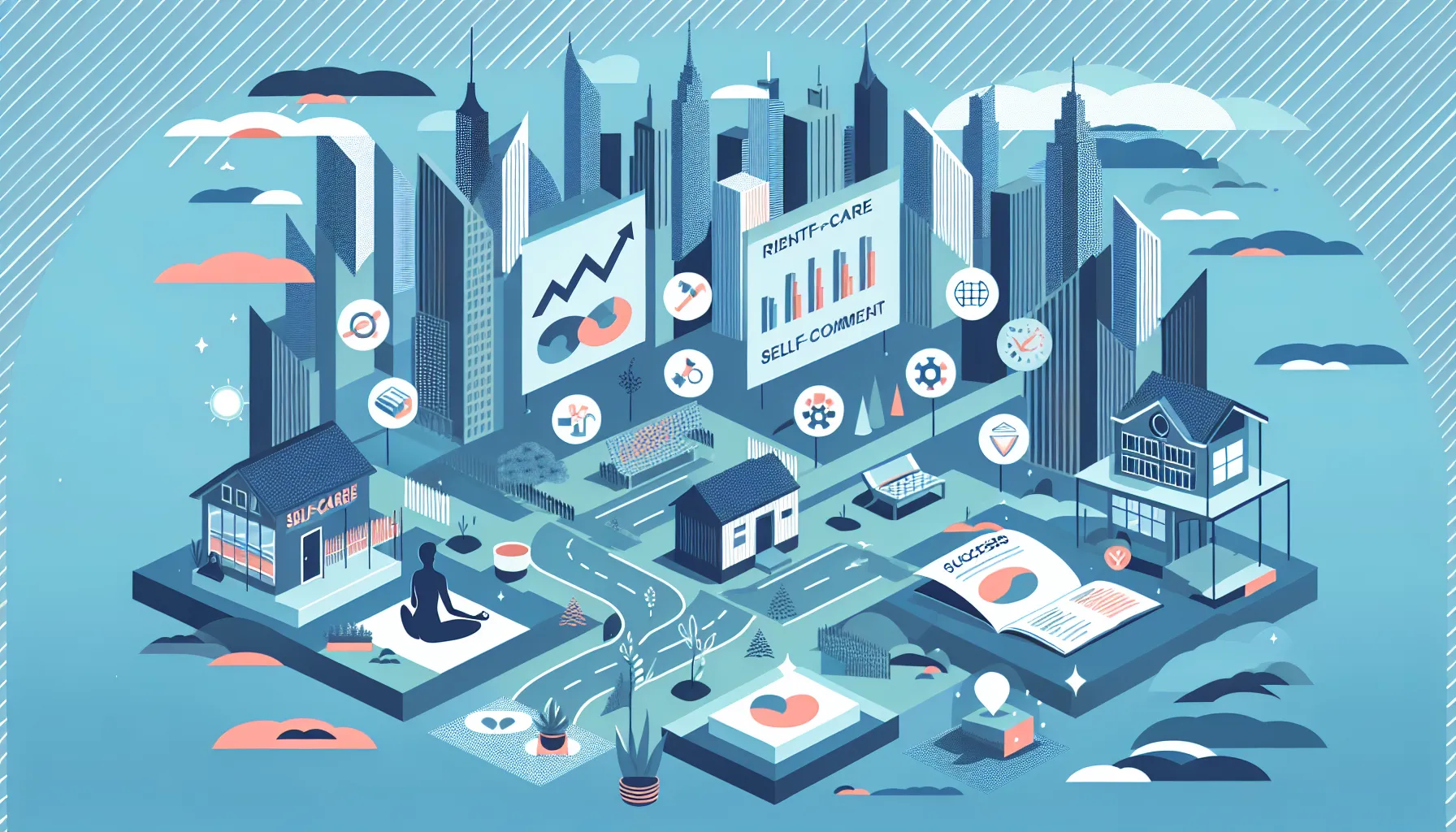
As urban environments continue to evolve, so does the approach to self-care within these bustling settings. This section will explore emerging trends in urban wellness and the impactful role of technology in enhancing self-care practices.
Emerging Trends in Urban Wellness
Recent years have seen a significant shift in how individuals prioritize self-care in urban settings. With increasing awareness of mental health and wellness, several trends have emerged that cater specifically to urban dwellers seeking effective self-care tips.
Community-Based Initiatives:
- Urban wellness is increasingly driven by community-oriented programs. Initiatives such as group meditation sessions, community gardens, and wellness festivals are becoming commonplace. These gatherings not only foster social connections but also promote mental well-being.
- For instance, cities like San Francisco have implemented “wellness Wednesdays,” where local parks host free yoga classes and mindfulness workshops.
Holistic Health Services:
- There is a growing demand for holistic health services that address both physical and mental well-being. Urban wellness practices now include acupuncture, aromatherapy, and nutritional counseling within easily accessible city spaces.
- According to a report by the Global Wellness Institute, the wellness economy is projected to grow to $4.4 trillion globally, fueled by urban populations seeking comprehensive health solutions.
Mindfulness and Mental Health:
- As stress levels rise in urban environments, mindfulness practices have gained traction. Apps that provide guided meditations and stress relief techniques are now being integrated into daily routines.
- A recent study published in the Journal of Urban Health found that individuals who practiced mindfulness techniques reported a 30% decrease in anxiety levels.
Technology’s Role in Self-Care
Technological advancements are playing a critical role in transforming self-care in urban settings. With the advent of telehealth services and wearable technology, urban dwellers have unprecedented access to wellness resources.
Telehealth Services:
- Telehealth has expanded access to mental health resources, allowing urban residents to consult with therapists and health professionals from the comfort of their homes. This is especially valuable in densely populated cities where traditional healthcare access can be limited.
- According to a report from McKinsey & Company, telehealth usage has stabilized at levels 38 times higher than pre-pandemic rates, indicating a permanent shift in how health services are delivered.
Wearable Technology:
- Wearable devices, such as smartwatches and fitness trackers, are increasingly being used to monitor health metrics like heart rate, sleep quality, and physical activity. These devices encourage users to engage in self-care by providing real-time feedback and personalized health insights.
- A survey by Pew Research Center showed that 30% of American adults now use wearable fitness trackers, a trend that is likely to grow as urban wellness practices become more technology-driven.
Mental Health Apps:
- The rise of mental health apps has made it easier for individuals to practice self-care on-the-go. Apps like Headspace and Calm provide guided meditations, sleep aids, and stress management techniques tailored to busy urban lifestyles.
- According to a recent analysis by the National Institute of Health, mental health app users report improved emotional well-being and decreased stress levels after consistently using such platforms.
Projections for the Future
Looking ahead, the urban wellness market is expected to continue its expansion, driven by both technological advancements and community initiatives.
- Market Growth: Projections suggest that the global wellness market will reach $7 trillion by 2025, with urban wellness practices playing a pivotal role in this growth.
- Community Engagement: As urban populations become more involved in self-care, the demand for community-driven wellness initiatives will increase, creating opportunities for local businesses to thrive.
In conclusion, the future of self-care in urban settings is bright, marked by innovative practices and the integration of technology. As individuals adopt the best self-care methods available, urban wellness will continue to evolve, offering new and effective ways to maintain mental and physical health in fast-paced environments.
For more insights on urban wellness and technology’s impact on self-care, you can explore the following resources:

Key Takeaways
In today’s fast-paced urban environments, prioritizing self-care has become essential for maintaining mental and physical well-being. Urban dwellers face unique challenges, from high stress levels to limited access to green spaces, making self-care practices more crucial than ever. By embracing local resources and leveraging technology, individuals can enhance their self-care routines, creating a more balanced lifestyle amidst the hustle and bustle of city living.
Currently, self-care is not just a luxury; it’s a necessity for urban residents. Simple actions such as scheduling regular breaks, engaging in mindfulness practices, and utilizing local wellness spaces can significantly improve one’s quality of life. For instance, taking advantage of urban parks for outdoor activities or finding local yoga studios can provide a much-needed respite from the hectic pace of city life. Additionally, using technology, such as wellness apps and online meditation platforms, offers convenient ways to integrate self-care into daily routines.
As we look toward the future, emerging trends indicate a growing emphasis on community and technological solutions for wellness. Community-driven initiatives, such as group fitness classes in public parks or neighborhood wellness workshops, are gaining popularity as they foster social connections while promoting healthier lifestyles. Furthermore, advancements in technology are paving the way for innovative self-care solutions, including virtual reality experiences for relaxation and self-care apps that personalize wellness plans based on users’ needs.
For those seeking actionable insights, now is the time to invest in self-care practices that resonate with your lifestyle. Consider exploring local resources such as community centers, fitness groups, and wellness events to connect with like-minded individuals. Additionally, take advantage of technology by downloading wellness apps that provide guided meditations, fitness tracking, or stress management tools. By actively participating in your community and utilizing available resources, you can enhance your self-care journey.
In conclusion, the importance of prioritizing self-care in urban settings cannot be overstated. By recognizing the unique challenges faced by city dwellers and actively seeking out resources, both local and technological, individuals can significantly improve their overall well-being. As trends continue to evolve, embracing community-oriented and tech-driven solutions will play a pivotal role in shaping the future of wellness. Take the first step today by exploring new wellness opportunities in your area and integrating self-care practices into your everyday life. For more insights on urban wellness trends, check out HuffPost’s article on urban wellness and discover innovative self-care strategies at Forbes on modern self-care trends.
Frequently Asked Questions
What are the best self-care methods for busy city life?
For busy city dwellers, effective self-care methods include time management, setting boundaries, and prioritizing activities that recharge you. Incorporate quick practices like meditation, journaling, or breathing exercises into your daily routine. Utilize urban green spaces for walks or yoga, and consider community events for social connection. Exploring local art or music can also serve as a creative outlet. Remember, even small breaks for self-reflection or a favorite hobby can significantly enhance your well-being amidst the hustle and bustle.
How can I incorporate mindfulness into my daily routine?
Incorporating mindfulness into your daily routine is easier than you think. Start with short, intentional moments throughout your day, such as mindful breathing during your commute or focusing on your senses while enjoying a meal. Setting aside just five minutes for meditation can foster a greater sense of calm. Use mindfulness apps for guided sessions, or simply practice being present while walking in your neighborhood. The key is consistency; gradually, these small practices will enhance your awareness and reduce stress.
What urban wellness practices are currently trending?
Trending urban wellness practices include outdoor workouts, rooftop yoga sessions, and community gardening initiatives. Many cities are embracing wellness festivals that feature holistic health workshops and mindfulness classes. Additionally, the rise of plant-based diets and sustainable eating is prominent in urban settings. Virtual wellness programs, including guided meditation and online fitness classes, have gained popularity, making self-care more accessible. Exploring local wellness hubs that combine fitness, nutrition, and mindfulness can greatly enhance your urban self-care journey.
How can I create a self-care routine in a busy urban environment?
Creating a self-care routine in a busy urban environment involves identifying your needs and preferences. Start by scheduling dedicated time for self-care activities, whether it鈥檚 a morning walk, evening reading, or weekend classes. Utilize urban resources like local parks or wellness centers. Experiment with short, revitalizing practices such as stretching at your desk or taking mindful walks during lunch breaks. Consistency is key, so aim for a balanced routine that includes physical, mental, and emotional well-being activities.
What are some quick self-care practices for stressful days?
On stressful days, quick self-care practices can make a significant impact. Consider deep breathing exercises to calm your mind; inhaling for four counts, holding for four, and exhaling for four can quickly reduce anxiety. A five-minute walk outside can refresh your perspective. Listening to calming music or engaging in a brief mindfulness meditation can also help ground you. Additionally, jotting down three things you鈥檙e grateful for can shift your mindset. These simple practices are easy to implement and can greatly enhance your mood.
How does social interaction contribute to self-care in urban settings?
Social interaction plays a vital role in self-care, particularly in urban settings where community connections can enhance well-being. Engaging with friends or participating in community events fosters a sense of belonging and reduces feelings of isolation. Regular social activities, such as joining clubs or attending local meetups, can also provide emotional support and uplift your spirits. Sharing experiences and challenges with others can lead to stress relief and greater perspective, making social interaction an essential component of an effective self-care routine.
What role does nature play in urban self-care?
Nature plays a crucial role in urban self-care by providing a necessary escape from the fast-paced city life. Accessing parks, green spaces, or botanical gardens can significantly reduce stress and enhance overall well-being. Studies show that spending time in nature lowers cortisol levels and improves mood. Engaging in outdoor activities, such as hiking or simply walking under trees, can boost mental clarity and foster creativity. Making a habit of seeking nature in your city can transform your self-care approach and promote a healthier lifestyle.