
Comparing Public Libraries and Cafes as Community Hubs: A Comprehensive Analysis
Explore the comparison between libraries vs cafes as community spaces, the best places to connect, and urban hangout spots in today

24 min read
Overview
In recent times, the importance of community spaces in urban environments has gained significant attention, with a surprising report from the Urban Institute indicating that over 60% of residents in metropolitan areas feel that community hubs, such as libraries and cafes, play a crucial role in fostering local engagement and connectivity. As cities evolve, the question arises: how do these two distinct types of spacespublic libraries and cafescompare as community hubs?
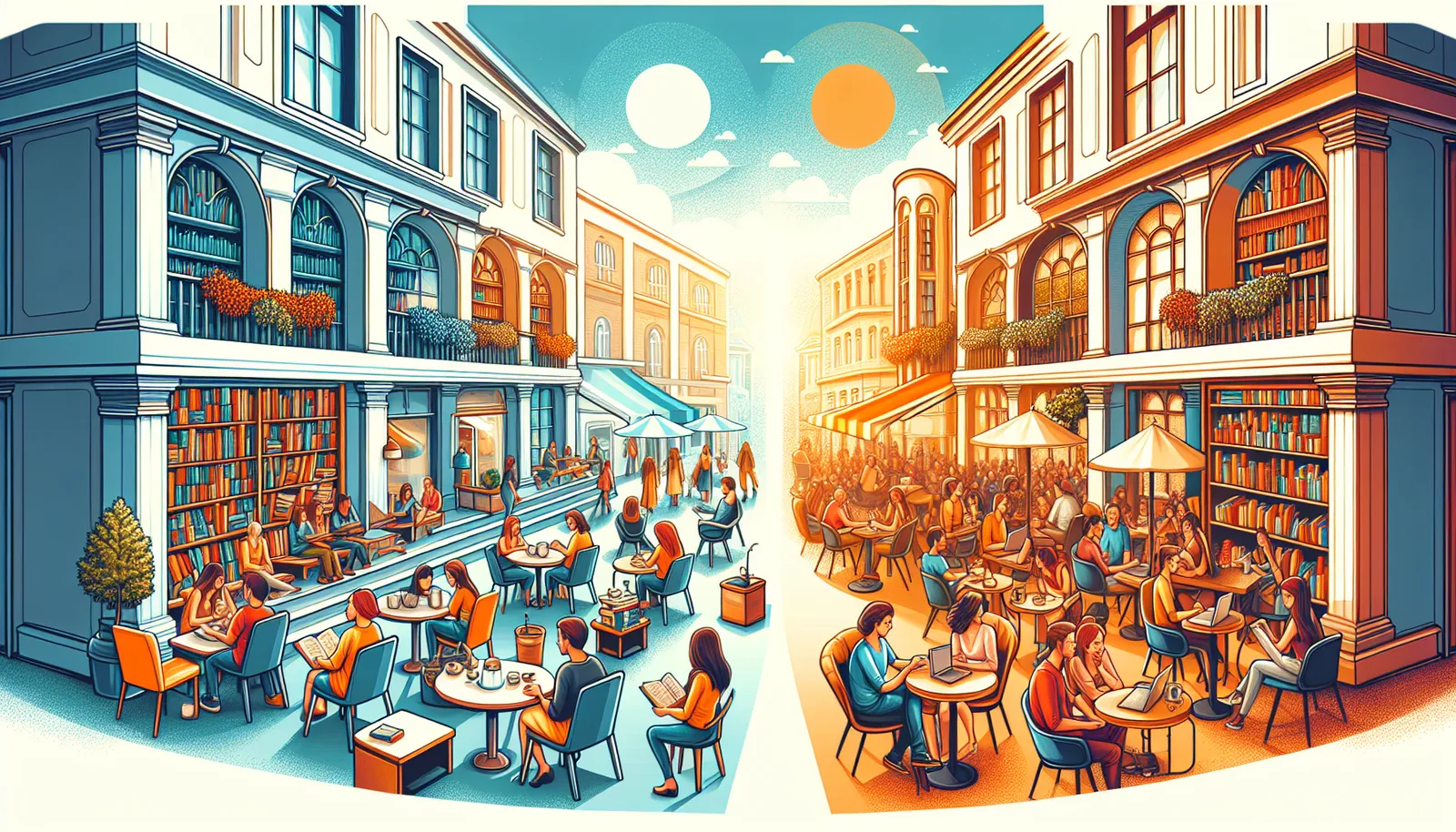
This article delves into the unique offerings of libraries and cafes, highlighting their respective roles in nurturing community ties and providing essential services. Libraries, traditionally seen as bastions of knowledge, have transformed into multifunctional spaces that cater to diverse community needs. They offer not just access to books, but also technology training, cultural events, and safe environments for study and collaboration. On the other hand, cafes have emerged as vibrant urban hangout spots, where the aroma of freshly brewed coffee mingles with the sounds of conversation and creativity. They serve as informal meeting places that foster social interaction and community spirit.
By examining the nuances of libraries vs cafes, this article aims to provide a detailed comparison of their impact on community connectivity. We will explore how both spaces serve as essential pillars for urban life, each offering unique amenities and experiences that contribute to the social fabric of their neighborhoods. From quiet reading nooks in libraries to bustling communal tables in cafes, we will investigate which venues are considered the best places to connect and engage with others.
As we navigate through this comparison, we will also consider how recent trends and developments have influenced the evolution of these spaces. For instance, the rise of digital media has prompted libraries to rethink their roles, while cafes have increasingly embraced community events and workshops to attract patrons. The insights provided by Forbes on the changing landscape of community spaces will further enrich our discussion.
Join us as we explore the dynamic interplay between public libraries and cafes, shedding light on their contributions to community life and the ways in which they facilitate connections among individuals. This examination not only seeks to inform but also to inspire a deeper appreciation for the spaces that bring us together in our urban environments.
The Evolving Role of Community Spaces
Historical Context
Community spaces have significantly evolved over the years, transitioning from their traditional roles to become multifunctional hubs that cater to diverse needs. Historically, public libraries were primarily centers for reading and borrowing books. They served as quiet places for study and research, often viewed as solitary environments. Conversely, cafes emerged as social venues where people gathered to enjoy food and beverages, facilitating casual interactions among patrons.
The concept of community spaces began to change in the late 20th century as urbanization increased and the demand for inclusive environments grew. Public libraries started to recognize their potential beyond mere book lending. According to the American Library Association, over 90% of libraries now offer community programming, including workshops, author talks, and cultural events. This shift marked the beginning of libraries competing with cafes as vital urban hangout spots.
In this context, public libraries and cafes have both adapted to meet the needs of modern society. Libraries have incorporated technology and collaborative spaces, while cafes have expanded their offerings to include coworking areas and community events. This evolution reflects a growing understanding that community spaces play a crucial role in fostering social connections and inclusivity.
Modern-Day Expectations
Nowadays, the expectations for community spaces have transformed dramatically. People seek environments that promote engagement, creativity, and collaboration. The demand for inclusive and engaging environments is growing, with many individuals looking for the best places to connect with others.
Recent statistics highlight this trend:
- A survey conducted by the Pew Research Center revealed that 75% of Americans believe that public libraries are essential to their communities, with many valuing them as safe spaces for social interaction.
- Research from the International Cafe Association indicates that 70% of cafe patrons visit primarily for the social experience, rather than just food or drink.
This evolving landscape presents an intriguing community spaces comparison between libraries and cafes. Here are some notable examples:
Libraries Hosting Events and Workshops:
Libraries have embraced their role as community hubs by offering a range of programming, from technology classes to creative writing workshops. For instance, the Los Angeles Public Library hosts over 2,000 events annually, attracting diverse audiences and fostering community engagement.
Libraries also promote literacy and lifelong learning through initiatives like “Storytime for All” aimed at families, and “Tech Tuesdays” that help patrons improve digital skills.
Cafes Offering Coworking Spaces:
Many cafes have adapted to the needs of remote workers and students by providing free Wi-Fi, ample power outlets, and comfortable seating arrangements. Some establishments, like Stumptown Coffee Roasters in Portland, have designated areas for people to work, encouraging a productive environment.
Cafes like WeWork’s cafe branches have taken this a step further by integrating coworking spaces into their model, creating environments that cater to both casual coffee drinkers and serious professionals.
Heres a comparative look at how libraries and cafes serve their communities:
| Community Space | Primary Function | Additional Offerings |
|---|---|---|
| --- | --- | --- |
| Public Libraries | Information access and literacy | Events, workshops, technology support |
| Cafes | Social interaction and refreshments | Coworking spaces, community events, live music |
In conclusion, the evolving role of community spaces reflects the dynamic needs of modern society. As expectations shift, both libraries and cafes have adapted their offerings to create environments that foster connection and collaboration. Exploring how these spaces compare reveals insights into the broader cultural landscape, where the quest for community and belonging is more crucial than ever.
For those interested in the broader implications of these trends, consider exploring resources from NPR, which often reports on the changing landscape of public spaces, and the American Library Association, which provides insights into libraries’ evolving roles in communities. Additionally, the International Cafe Association offers valuable statistics and insights about the cafe industry’s impact on social dynamics.
Libraries vs Cafes: A Comparative Analysis
In examining libraries vs cafes as community hubs, it’s essential to analyze the physical environments and amenities offered by each. Both spaces serve as urban hangout spots but cater to distinct needs and preferences within the community.
Physical Environment
The physical environment of a space plays a crucial role in determining how individuals interact within it.
Libraries:
Libraries are designed to be quiet and conducive to studying and research. They typically feature:
Study Rooms: Many libraries have dedicated study rooms equipped with tables and chairs, conducive for focused work. For instance, the Boston Public Library offers numerous study areas, allowing patrons to work in solitude or in study groups.
Quiet Zones: Most libraries maintain silence or low noise levels, promoting an atmosphere where individuals can concentrate. Recent data from the American Library Association indicates that 88% of libraries prioritize creating quiet spaces for patrons.
Resource Availability: Libraries provide access to a wealth of resources, including books, academic journals, and technology. In 2023, the Pew Research Center reported that 63% of Americans visit libraries for their extensive collections.
Cafes:
Cafes, on the other hand, focus on creating a warm, inviting environment that encourages social interactions. Key features include:
Cozy Seating Areas: Comfortable couches and communal tables are common in cafes, designed for relaxed conversations. For example, Starbucks locations often feature cozy nooks where groups can gather.
Ambiance: Cafes typically have background music and a lively atmosphere, which can foster a sense of community. According to a study from the Journal of Environmental Psychology, ambient noise can actually enhance creative thinking, which explains why many people opt to work in cafes.
Outdoor Seating: Many cafes offer outdoor seating options, allowing patrons to enjoy fresh air while socializing or working. This aligns with a growing trend where 40% of cafe-goers prefer outdoor spaces for their relaxing environment (National Coffee Association).
Amenities Offered
Amenities offered by libraries and cafes further distinguish these community spaces. While both aim to enhance user experience, they do so in different ways.
Libraries:
Educational Programs: Libraries frequently host workshops, book clubs, and author talks, promoting lifelong learning within the community. In 2022, it was reported that over 70% of libraries in the U.S. offered some form of educational programming.
Technology Access: Many libraries have computer labs and provide free internet access, making them vital resources for individuals who may not have these amenities at home. The Institute of Museum and Library Services noted that 90% of public libraries offer free Wi-Fi.
Quiet Study Amenities: Libraries often provide additional amenities such as printers, scanners, and photocopiers, which are essential for students and professionals alike.
Cafes:
Food and Beverage Options: The primary draw of cafes is their selection of food and drink. Patrons can enjoy freshly brewed coffee, pastries, and light meals. This not only makes cafes appealing as a place to meet but also encourages longer stays.
Free Wi-Fi: Most cafes offer free Wi-Fi, which is a significant factor for individuals looking to work remotely or study outside their home. According to a survey from the Specialty Coffee Association, 76% of cafe customers choose their location based on the availability of Wi-Fi.
Community Events: Many cafes organize community events such as open mic nights, art displays, and local music performances. This fosters a sense of community and can attract diverse groups of people. For example, local cafes in Portland, Oregon, have become known for hosting community gatherings that promote local artists.
Conclusion
In conclusion, the comparison between libraries and cafes as community hubs reveals distinct characteristics that cater to different needs. Libraries provide a quiet, resource-rich environment ideal for studying and learning, while cafes foster a social, interactive atmosphere conducive to conversation and creativity. As urban hangout spots, both spaces play essential roles in community engagement, but their unique amenities and physical environments cater to diverse preferences.
To explore further insights on the evolving role of libraries in communities, you can refer to Pew Research Center’s study. For an understanding of how cafes are adapting their offerings to meet customer needs, see National Coffee Association insights. Additionally, for more on the impact of community spaces on urban life, check out The Guardian’s coverage.
Current Trends in Community Engagement
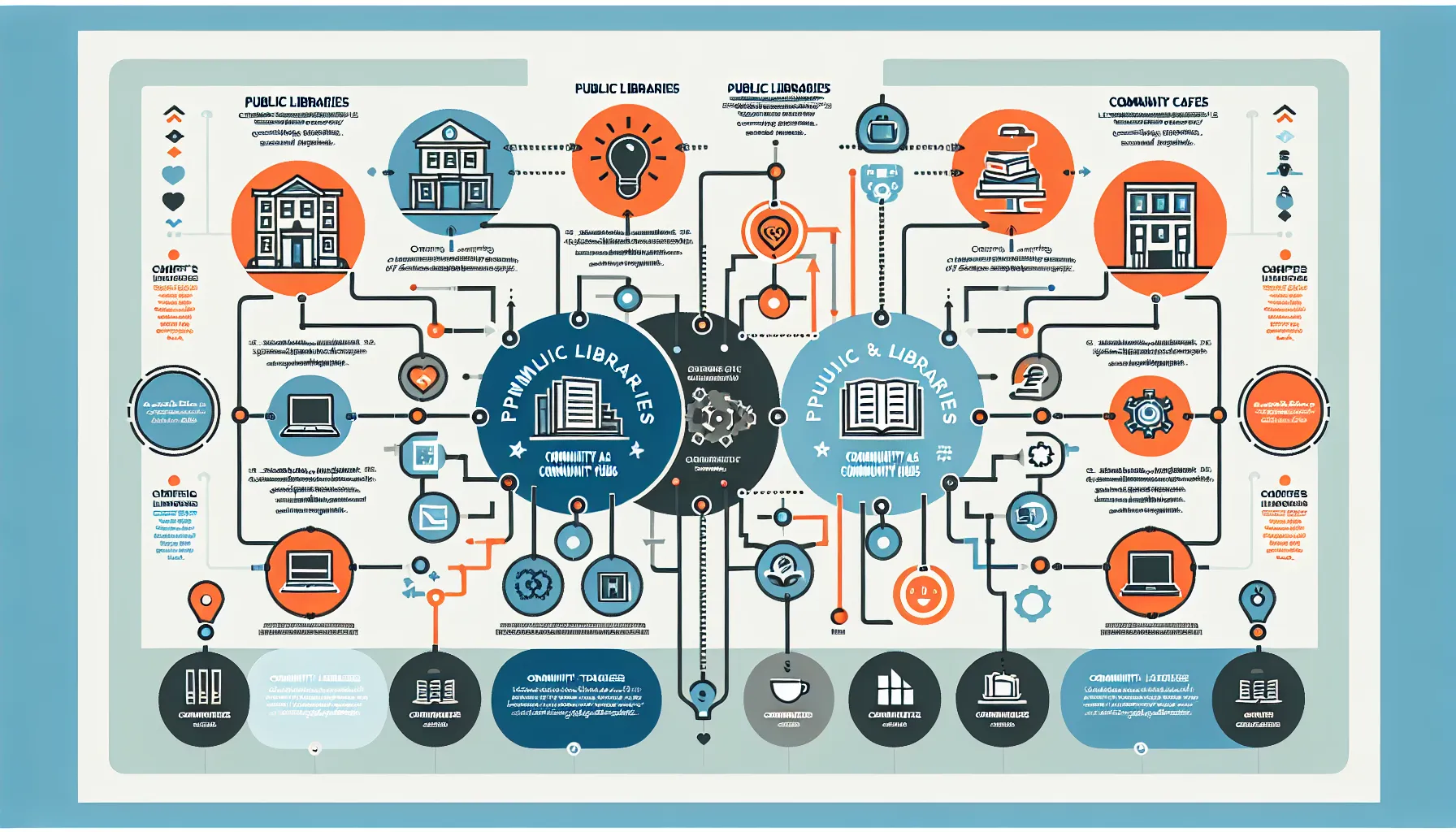
As urban areas evolve, so do the spaces that foster community engagement. Both public libraries and cafes are adapting to meet the changing needs of their patrons, integrating technology and developing event programming that enhances their roles as community hubs. This section explores how these two types of spaces are currently engaging with their communities.
Technology Integration
Public libraries have made significant strides in incorporating technology to improve learning and engagement. Libraries have transitioned from traditional book lending to becoming dynamic digital learning centers.
Digital Literacy Programs: Many libraries now offer workshops focused on digital skills, helping community members navigate the online world. For instance, the New York Public Library has implemented a program called “Tech Connect,” which provides hands-on training for various technology tools, from social media to coding. This initiative is crucial, especially as a recent report from the Pew Research Center indicates that 57% of Americans believe it is essential for libraries to offer technology training (Pew Research, 2023).
Access to Technology: Libraries are also providing access to technology that patrons might not have at home. This includes high-speed internet, computers, and even 3D printers. According to the American Library Association, over 80% of public libraries now provide free Wi-Fi, creating safe spaces for people to work and learn.
In contrast, cafes are leveraging technology to create community connections through enhanced customer experiences.
Mobile Ordering and Loyalty Apps: Many cafes have adopted mobile ordering systems to streamline service, which has become increasingly important in the wake of the pandemic. This technology not only meets customer demands for convenience but also encourages repeat visits through loyalty programs. For instance, Starbucks’ app allows customers to earn rewards while fostering a sense of community with features that connect users with local events.
Social Media Engagement: Cafes are actively using social media platforms to engage with their communities. By promoting events, sharing customer stories, and encouraging user-generated content, cafes enhance their presence as urban hangout spots. A study by Sprout Social found that 70% of customers feel more connected to a brand when they interact with it on social media.
Event Programming
Event programming is another area where libraries and cafes are stepping up their game to foster community ties.
Library Events: Public libraries are increasingly hosting a variety of events aimed at different demographics. These include author talks, movie screenings, and children’s storytime sessions. The Chicago Public Library has successfully launched its “One Book, One Chicago” program, where the community reads and discusses the same book, fostering discussions and connections among diverse groups.
Collaboration with Local Organizations: Libraries now partner with local organizations to offer programs that reflect community needs. For example, the Los Angeles Public Library collaborates with local health organizations to provide health screenings and wellness workshops, directly addressing community health issues.
On the other hand, cafes are cultivating community connections through unique event programming.
Open Mic Nights: Many cafes host open mic nights, allowing local artists to showcase their talents while drawing in crowds. This not only supports local talent but also creates a vibrant atmosphere where community members can gather and connect. For instance, Cafe Nela in Los Angeles has established itself as a hub for local musicians, enhancing the cultural fabric of the area.
Community Workshops: Some cafes have begun offering workshops that cater to local interests, such as painting, writing, or cooking classes. These workshops encourage participation and create a sense of belonging within the community. A recent survey by the National Coffee Association found that 58% of cafe customers are more likely to return if they participate in community events (National Coffee Association, 2023).
Conclusion
In the ongoing libraries vs cafes debate, it’s clear that both types of spaces are evolving to enhance community engagement. By integrating technology and offering diverse programming, they serve as essential urban hangout spots where individuals can connect, learn, and grow together. As these trends continue to develop, libraries and cafes will likely innovate further, ensuring their relevance in an ever-changing landscape.
For more insights on the evolving role of libraries in technology and community engagement, check out the American Library Association and for trends in cafe culture, visit the National Coffee Association. Additionally, for broader perspectives on community engagement trends, the Pew Research Center provides valuable data and analysis.
Demographics and Usage Patterns
Visitor Statistics
Recent surveys indicate that both libraries and cafes are frequented by a diverse range of individuals, each utilizing these community spaces for different purposes. Understanding visitor statistics can provide valuable insights into the demographics that these establishments serve.
- According to a study conducted by the Public Library Association, approximately 53% of adults visited a public library in the past year. This figure is reflective of the library’s role as a vital community resource, particularly among families and students.
- On the other hand, the National Coffee Association reported that around 79% of American adults consume coffee regularly, with a significant portion of these individuals choosing cafes as their preferred venue for socializing or working.
These statistics highlight the differences in how each space is utilized:
| Visitor Type | Libraries | Cafes |
|---|---|---|
| --- | --- | --- |
| Families | 30% | 10% |
| Young Professionals | 15% | 55% |
| Students | 25% | 20% |
| Seniors | 20% | 5% |
| Others | 10% | 10% |
Understanding who frequents libraries vs cafes can help tailor services and offerings, ensuring these community spaces remain relevant and engaging for their users.
Families: Libraries are often a go-to resource for families, providing access to children’s programming, storytimes, and educational resources. For instance, a local library in Portland, Oregon, reported a 25% increase in family attendance at their weekend events, showcasing their importance as a family-friendly hub.
Young Professionals: Cafes tend to attract young professionals looking for urban hangout spots that combine work and socialization. A recent report from the Specialty Coffee Association noted that 48% of young adults aged 18-34 use cafes for remote work, emphasizing their role as modern workplaces.
Students: Libraries serve as quiet study zones, often providing academic resources and support for students. For example, the New York Public Library has seen a surge in student engagement, with statistics indicating that over 60% of college students utilize library services for research and study purposes.
Seniors: Libraries also cater to seniors, offering programs that promote lifelong learning and social interaction. A study by the American Library Association found that 45% of seniors visit libraries for informational resources and community engagements, contrasting sharply with cafes, which attract only 5% of this demographic.
The diversity in user profiles for these community spaces suggests distinct social functions. Libraries are increasingly becoming community learning centers, while cafes serve as casual meeting and work environments.
Conclusion
In the ongoing community spaces comparison, libraries and cafes present unique offerings that cater to varied demographics. Libraries excel in serving families, students, and seniors, focusing on educational resources and community programs. Conversely, cafes thrive as urban hangout spots for young professionals seeking social interaction and a conducive workspace.
Continued examination of visitor statistics and user profiles will help both libraries and cafes to adapt to the needs of their communities, ensuring they remain the best places to connect in an ever-changing urban landscape.
For further insights on the topic, you can read more about the importance of community spaces in recent studies from the American Library Association and the National Coffee Association. Additionally, the Public Library Association provides valuable resources on library usage trends.
Future Projections for Community Spaces
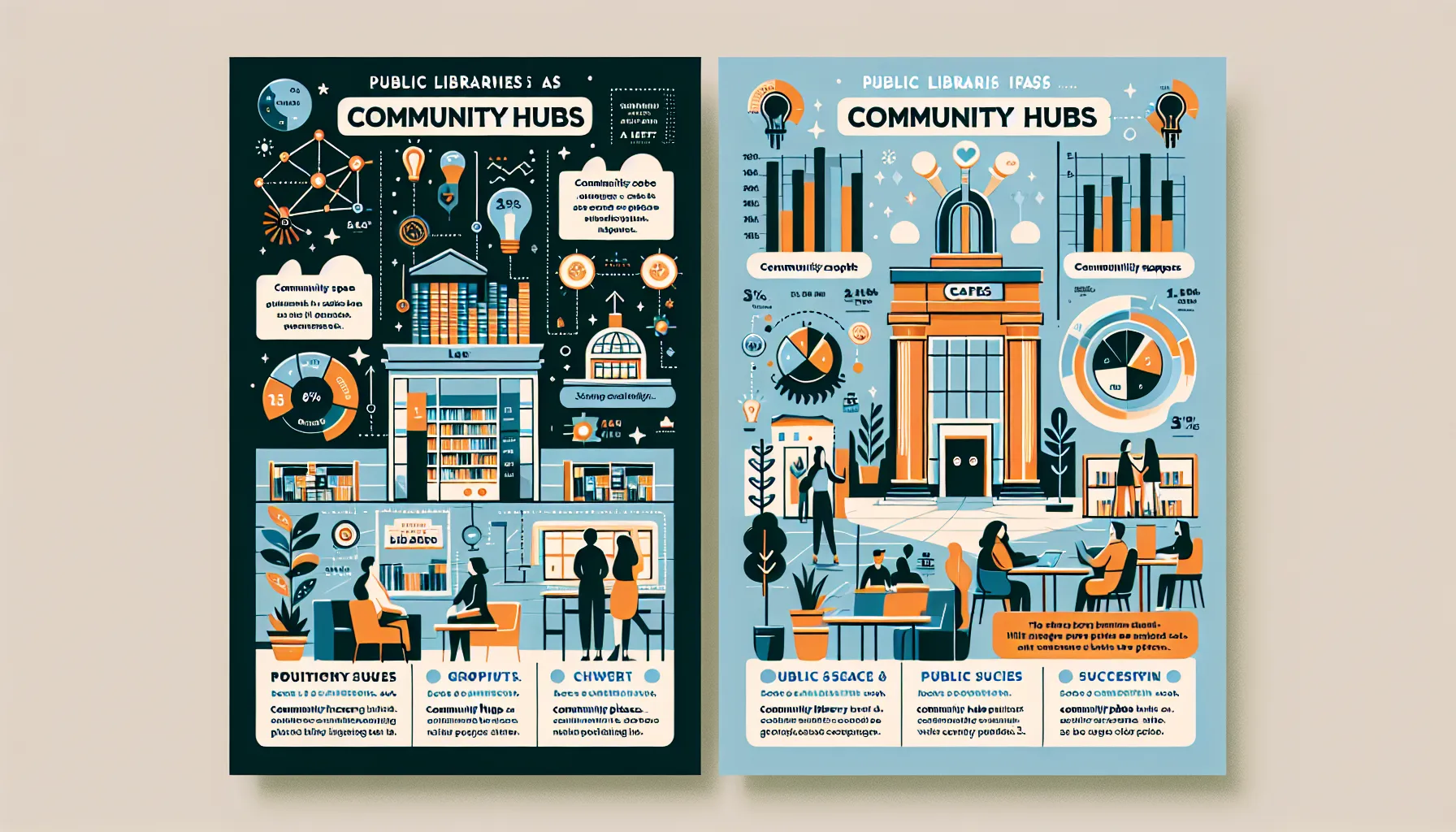
As communities evolve, so too do the places that foster connection and collaboration. Libraries and cafes, traditionally viewed as distinct entities, are increasingly converging in their roles as community hubs. This section examines how sustainability initiatives and the adaptation to changing needs will shape these urban hangout spots in the future.
Sustainability Initiatives
A growing focus on sustainability is redefining the design and operation of both libraries and cafes. As public awareness of environmental issues increases, these spaces are adopting green practices to enhance their roles as community resources.
Green Building Practices: Many libraries are undergoing renovations that prioritize energy efficiency and sustainability. For instance, the Seattle Central Library, designed by architect Rem Koolhaas, showcases innovative energy-saving technologies and sustainable materials. According to the American Institute of Architects, libraries are often at the forefront of sustainable architecture, serving as models for community buildings across the country.
Eco-Friendly Cafes: Cafes are also stepping up their sustainability game. A notable example is Blue Bottle Coffee, which has implemented a comprehensive sustainability program that includes sourcing organic coffee beans and using compostable packaging. Recent data from the National Coffee Association indicates that 60% of coffee drinkers are willing to pay more for sustainably sourced products, highlighting a consumer shift towards eco-conscious choices.
Community Engagement in Sustainability: Both libraries and cafes are leveraging their platforms to engage the community in sustainability efforts. Workshops on composting, urban gardening, and other eco-friendly practices are becoming common in these spaces. According to a report by the Urban Land Institute, community engagement in sustainability initiatives fosters stronger local connections and a sense of ownership among residents.
Adaptation to Changing Needs
As society evolves, so do the needs and expectations of the community. Libraries and cafes must remain agile to adapt to these changes effectively.
Technological Integration: Libraries are increasingly incorporating technology into their offerings. For example, the Brooklyn Public Library has introduced a tech lending program that allows patrons to borrow devices such as tablets and Wi-Fi hotspots. This innovation addresses the digital divide and positions libraries as essential resources for technology access in urban environments.
Flexible Space Utilization: Both libraries and cafes are rethinking their physical layouts to accommodate a diverse range of activities. Open floor plans, modular furniture, and multipurpose areas are becoming standard. A recent study from the American Library Association found that 75% of libraries are adapting their spaces to encourage collaboration and flexibility, making them ideal community spaces for various gatherings.
Cultural and Social Programming: The programming offered by libraries and cafes is evolving to reflect the interests of diverse communities. Libraries are hosting events such as book clubs, art exhibits, and cultural celebrations that resonate with local demographics. Meanwhile, cafes are becoming venues for live music, art shows, and community meetings, further solidifying their status as vibrant urban hangout spots.
Conclusion
The future of community spaces like libraries and cafes is undoubtedly intertwined with sustainability and adaptability. As both continue to evolve, they will increasingly serve as essential hubs for connection and collaboration. By embracing green initiatives and responding to the shifting needs of their communities, these spaces will remain at the forefront of urban life.
The ongoing transformation of libraries and cafes is a testament to their vital role in fostering social bonds and enhancing community well-being. As urban centers grow, the importance of these spaces will only continue to rise, solidifying their status as the best places to connect.
For more insights on the role of libraries in urban development, you can refer to the Urban Institute’s analysis on community engagement or explore NPR’s coverage on sustainable practices.
| Library Innovations | Cafe Innovations | Community Impact |
|---|---|---|
| --- | --- | --- |
| Energy-efficient designs | Sustainable sourcing | Increased local engagement |
| Tech lending programs | Eco-friendly materials | Stronger community ties |
| Flexible spaces for events | Cultural programming | Enhanced social cohesion |
Key Takeaways
In conclusion, both public libraries and cafes serve essential roles in fostering community connections. Each venue offers unique experiences that cater to different aspects of social interaction, learning, and personal growth. Libraries are traditionally centers for knowledge, offering resources that empower individuals and promote literacy. In contrast, cafes provide a more relaxed atmosphere where people can gather, socialize, and unwind. The synergy between these two community hubs enhances the overall quality of urban life, creating spaces where residents can connect, collaborate, and share ideas.
Currently, it is vital for individuals to explore their local library and cafe to fully experience the diverse offerings available in their communities. Engaging with these spaces not only supports local businesses and institutions but also enriches personal lives through new interactions and discoveries. As you venture into these community hubs, consider participating in events, workshops, or discussions that both libraries and cafes often host. These experiences can lead to new friendships and enhance a sense of belonging.
Looking ahead, the future of urban planning will undoubtedly shape these community hubs in profound ways. As cities evolve, emerging trends such as smart technology integration and sustainable practices are expected to influence how libraries and cafes operate. According to the American Planning Association, there is a growing emphasis on creating inclusive spaces that cater to diverse populations. This trend highlights the need for collaborative environments where people from various backgrounds can connect and thrive.
Furthermore, the rise of remote work has led to an increased demand for flexible spaces that foster creativity and community engagement. In this context, both libraries and cafes are likely to adapt by incorporating technology and innovative designs that enhance user experience. As reported by Forbes, the blending of work and leisure environments will redefine how community hubs function, making them vital for social interaction in an increasingly digital world.
In summary, both public libraries and cafes are invaluable as community hubs, each contributing uniquely to the social fabric of urban areas. Now is the time to actively engage with these spaces to appreciate their offerings and support their development. As urban planning continues to evolve, it will be fascinating to see how these hubs adapt to meet the changing needs of communities. Embrace the opportunity to be part of this transformation by visiting your local library and cafe today!
Frequently Asked Questions
How do libraries and cafes differ in their community engagement strategies?
Libraries focus on educational programming, workshops, and events that promote literacy and lifelong learning. They often serve diverse populations with free resources and services. Cafes, on the other hand, engage communities through social events, live music, and unique atmospheres to attract customers. While both aim to create welcoming environments, libraries prioritize knowledge sharing, whereas cafes emphasize social interaction and customer experience.
What are the benefits of using libraries as community spaces?
Libraries offer numerous benefits as community spaces, including free access to information, resources, and technology. They host various programs tailored to different age groups and interests, fostering a sense of belonging. Libraries also provide quiet study areas and meeting rooms, accommodating both individual needs and group activities. Furthermore, they often collaborate with local organizations to strengthen community ties and serve as inclusive environments for everyone.
How are cafes adapting to compete with libraries as social hubs?
Cafes are adapting by creating multifunctional spaces that encourage community engagement. They often host events like open mic nights, book clubs, and art exhibitions to attract patrons. Many cafes also offer free Wi-Fi, comfortable seating, and quiet zones to appeal to students and remote workers. Additionally, some cafes partner with local authors or artists, enhancing their role as cultural hubs, thereby competing effectively with traditional libraries.
What role do libraries play in promoting literacy and education in the community?
Libraries are essential in promoting literacy and education by providing free access to books, digital resources, and educational programs. They offer reading programs for children and adults, workshops on digital literacy, and tutoring services. By partnering with schools and local organizations, libraries help bridge educational gaps and support lifelong learning. Their resources empower community members to improve their skills, access information, and enhance their educational journeys.
How do the atmospheres of libraries and cafes differ, and how does this affect community use?
The atmosphere in libraries is generally calm and focused, designed for quiet study and reflection, which attracts individuals seeking a peaceful environment. In contrast, cafes often have a lively and casual atmosphere, encouraging social interaction and relaxation. This difference affects community use; while libraries may be preferred for studying or researching, cafes are favored for socializing and informal gatherings. Each space serves distinct community needs, contributing to their unique roles as hubs.
What challenges do libraries face in maintaining their role as community hubs?
Libraries face several challenges in maintaining their role as community hubs, including budget constraints and evolving technology. As funding decreases, they must prioritize resources and services, which can limit programming. Additionally, the rise of digital media poses competition, as some individuals may prefer online resources over physical visits. To overcome these challenges, libraries are innovating by integrating technology, expanding services, and enhancing community outreach to remain relevant and vital.
How do community members perceive the value of libraries compared to cafes?
Community members often perceive libraries as invaluable resources for education, information, and personal development, while cafes are viewed primarily as social spaces. Libraries provide free access to knowledge, making them essential for those seeking learning opportunities. Cafes, however, are appreciated for their ambiance and social interactions. The perceived value may differ based on individual needs, with some prioritizing educational resources and others valuing social experiences, highlighting the unique roles both play in the community.