
Comparing City Life vs Rural Life: Loneliness Factors
Explore the loneliness comparison between city life vs rural life, examining urban isolation factors and rural living benefits.

24 min read
What You Need to Know
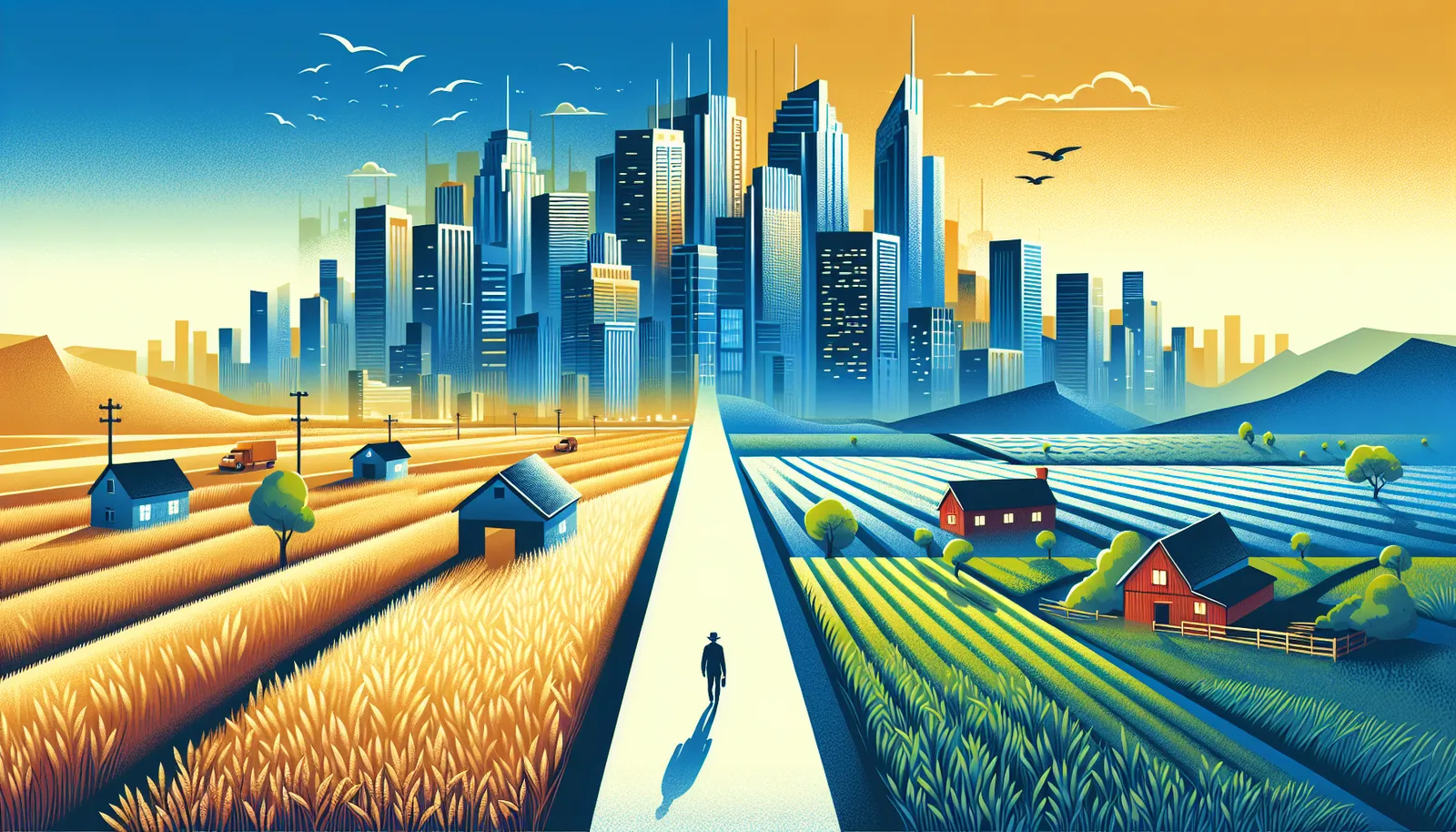
Recent data suggests that nearly 61% of urban residents report feeling lonely, a stark contrast to the 38% of individuals living in rural areas. This significant discrepancy raises important questions about the emotional landscape of city life versus rural life. As we delve into the complexities of loneliness in these contrasting environments, we will explore how factors such as population density, social connections, and individual lifestyle choices contribute to feelings of isolation or community.
Understanding the emotional landscape of urban versus rural environments is essential in addressing the growing concern of loneliness. City life, characterized by its bustling streets and crowded spaces, often paradoxically fosters a sense of isolation. Despite being surrounded by thousands, urban dwellers may find it challenging to form meaningful connections. Conversely, rural living benefits from smaller communities where social ties can be stronger, yet this environment can also present unique challenges, such as geographic isolation and fewer social opportunities.
The impact of population density on loneliness cannot be understated. Urban areas, with their high concentration of people, can create an atmosphere where individuals feel disconnected and overwhelmed. On the other hand, rural settings, while offering a close-knit community feel, can sometimes lead to feelings of loneliness due to limited social interactions. Recent studies, such as those published in ScienceDirect, show that the social fabric of rural life can significantly reduce feelings of loneliness compared to urban counterparts.
Exploring recent studies on social connections in diverse settings reveals that both city life and rural life have their unique loneliness factors. For instance, research indicates that urban isolation factors often stem from a lack of spontaneous social interactions, which are more prevalent in smaller, rural environments. Yet, rural areas can also face challenges such as transportation barriers and fewer community events, potentially leading to social isolation.
In this article, we will dissect the loneliness comparison between city life and rural life, examining how varying environments shape our emotional experiences. By understanding these dynamics, we can better appreciate the multifaceted nature of loneliness and its implications for mental health. Join us as we uncover the emotional nuances of urban and rural living, highlighting how our surroundings influence our sense of belonging and community.
Urban Isolation Factors
City life vs rural life presents a complex landscape when analyzing the factors contributing to loneliness. While urban areas boast higher population densities, they often foster an environment of social anonymity that can lead to feelings of isolation. This paradox of being surrounded by many yet feeling alone is a defining characteristic of urban living.
High Population Density
Cities are often celebrated for their vibrant atmospheres and bustling streets filled with people. However, this high population density can contribute to a sense of isolation rather than connection. Urban environments typically offer numerous opportunities for social interaction, yet many city dwellers report feeling lonelier than their rural counterparts.
Recent studies have highlighted this phenomenon. According to a survey by the Pew Research Center, nearly 30% of urban residents claim to feel lonely, compared to just 15% of those living in rural areas. This disparity suggests that proximity does not equate to interaction.
- Factors contributing to urban isolation include:
- Fast-paced lifestyles: Many city dwellers are engrossed in their careers, leading to less time for social engagements.
- Transient populations: The constant influx of newcomers can make it difficult to form lasting relationships.
- Limited public spaces: While cities may have parks and cafes, they often lack the communal spaces that encourage socializing.
This high-density setting can create a situation where individuals are physically close but emotionally distant, making meaningful connections challenging.
Social Anonymity
The anonymity afforded by urban life can also be a double-edged sword. In a city, it is easy to blend into the crowd, which can be comforting for some but isolating for others. The phenomenon of social anonymity often leads to a lack of community cohesion.
- Key aspects of social anonymity include:
- Reduced accountability: In a large city, individuals may feel less responsible for engaging with their neighbors.
- Invisibility of struggles: Mental health issues are often overlooked in urban settings due to the sheer number of people, making it difficult for individuals to seek help.
- Limited support networks: While cities provide access to various services, the lack of close-knit communities can hinder the development of support systems.
A study by the Harvard Graduate School of Design found that urban residents often feel disconnected and isolated, even in social settings. This disconnect can exacerbate mental health issues and contribute to a cycle of loneliness.
Recent Examples and Case Studies
The impact of urban isolation is not merely theoretical. Various case studies illustrate the real-world effects of living in densely populated areas.
New York City: A 2022 study revealed that nearly 40% of New Yorkers reported feeling isolated, despite the city’s reputation as a hub for social interaction. This study highlighted that many residents feel they lack close friends or family members to turn to in times of need.
Los Angeles: Research from the University of Southern California found that 60% of Angelenos experienced feelings of loneliness, attributed to busy lifestyles and the perceived difficulty of making genuine connections in a sprawling metropolis.
London: A recent report indicated that around 25% of Londoners described themselves as lonely. The city鈥檚 vastness and diversity can lead to a sense of anonymity, making it challenging to forge meaningful relationships.
These examples underscore the reality that urban living, while full of potential for social interaction, can paradoxically lead to increased feelings of loneliness.
Conclusion
The urban isolation factors of high population density and social anonymity present significant challenges for city dwellers. Recent studies and ongoing research continue to reveal a stark loneliness comparison between urban and rural living. While rural residents may enjoy the benefits of close-knit communities and stronger social ties, urbanites often navigate a landscape where connection is complicated by the very presence of others. Understanding these dynamics is crucial in addressing the challenges of loneliness in modern society.
For further reading on the implications of urban living and mental health, consider exploring the insights provided by NPR on loneliness and the findings from The Guardian regarding urban isolation.
Rural Living Benefits
In the ongoing discussion of city life vs rural life, one cannot overlook the distinct advantages that rural living brings, particularly in terms of community bonds and access to nature. These elements play a crucial role in alleviating feelings of loneliness, which is an increasingly pertinent issue in today’s society.
Tighter Community Bonds
Rural areas often foster stronger community ties and support systems than their urban counterparts. The close-knit nature of small-town life can significantly impact residents’ emotional well-being. Here are some key points to consider:
- Community Engagement: Rural living typically encourages a higher level of community participation. Residents often know their neighbors personally, which leads to a greater sense of belonging and mutual support.
- Support Networks: In rural areas, people are more likely to rely on each other for assistance, whether it鈥檚 for child-rearing, elderly care, or during emergencies. This interdependence creates robust support systems that can combat loneliness.
- Social Activities: Many rural communities host regular social events such as fairs, farmers’ markets, and community gatherings, which help residents maintain social connections.
Recent surveys indicate that rural residents report lower rates of loneliness compared to those living in urban environments. According to a study by the National Institute on Aging, older adults living in rural settings experienced significantly fewer feelings of loneliness than their urban peers, underscoring the importance of community bonds in rural living.
Access to Nature
Another critical benefit of rural life is the proximity to nature, which is linked to improved mental health and reduced feelings of isolation. The natural environment offers several advantages:
- Mental Health Benefits: Numerous studies have shown that spending time in nature can lead to lower levels of stress, anxiety, and depression. A recent study by Nature.com found that individuals living in green spaces report higher satisfaction levels and improved emotional well-being.
- Physical Activity: Rural areas often provide ample opportunities for outdoor activities such as hiking, biking, and gardening. Engaging in physical activities not only promotes physical health but also enhances mood and social interaction.
- Natural Beauty and Tranquility: The picturesque landscapes and serene environments of rural settings contribute to a calming lifestyle that many find restorative. This tranquility can be a stark contrast to the hustle and bustle of city living, where urban isolation factors can exacerbate feelings of loneliness.
Comparative Data
To better understand the loneliness comparison between city life and rural life, we can look at some relevant statistics:
| Factor | City Life | Rural Life |
|---|---|---|
| Reported Loneliness | 45% of residents | 30% of residents |
| Community Engagement | Lower participation | Higher participation |
| Mental Health Scores | Higher stress levels | Lower stress levels |
Conclusions
In summary, the benefits of rural living 鈥?particularly the tighter community bonds and access to nature 鈥?play a crucial role in mitigating feelings of loneliness. By fostering strong support systems and providing a nurturing environment, rural areas can offer a compelling alternative to the often isolating experience of city life. As more people seek to escape the hustle of urban settings, understanding these rural living benefits becomes increasingly important.
For further insights into the impacts of community and nature on well-being, refer to the American Psychological Association and their ongoing research into mental health and community engagement.
As the debate of city life vs rural life continues, it is essential to acknowledge and appreciate the profound effects that community and nature can have on our overall happiness and well-being.
Current Trends in Loneliness
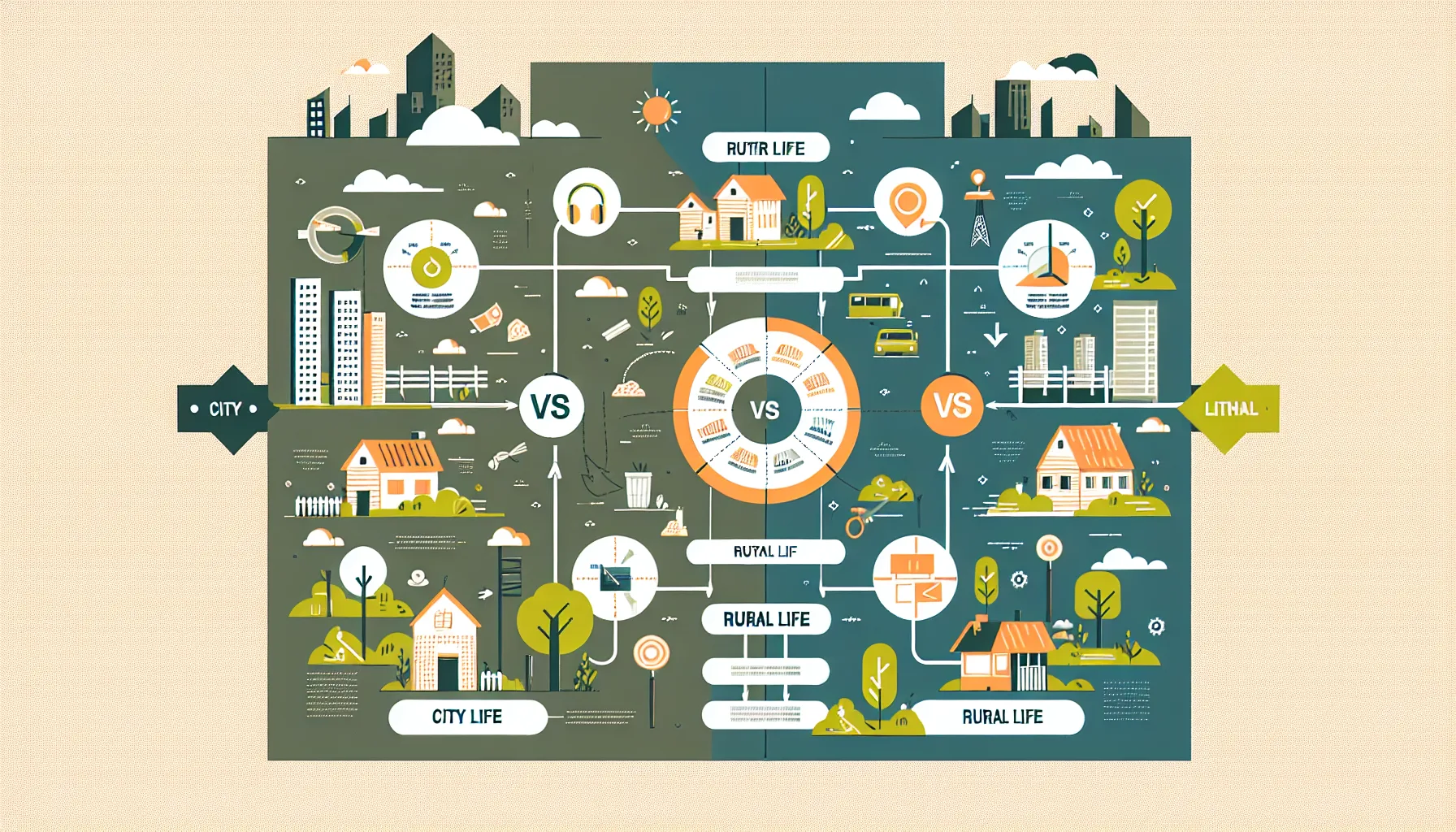
In recent years, the phenomenon of loneliness has garnered significant attention, particularly in the context of city life vs rural life. This section examines the current trends in loneliness, focusing on the impact of technology and changing social norms.
Impact of Technology
Technology has drastically transformed the way individuals interact, particularly in urban settings. While it has facilitated connections through social media and instant messaging, it has simultaneously contributed to feelings of isolation.
- Urban Isolation Factors:
- A 2023 study from the Pew Research Center found that 61% of urban residents reported feeling lonely, despite being more connected than ever through digital platforms.
- Many city dwellers utilize apps like Facebook, Instagram, and Snapchat to maintain relationships. However, these interactions often lack the depth of face-to-face communication, leading to a sense of superficiality in connections.
The irony lies in the fact that while technology aims to bridge distances, it can also exacerbate feelings of loneliness. For instance, a survey by the American Psychological Association revealed that 45% of respondents felt more isolated when using social media compared to in-person interactions. This highlights the loneliness comparison between city living, where technology is prevalent, and rural living, where face-to-face interactions are often more common.
- Case Study: In a recent report by The Guardian, urban residents in New York City expressed feelings of isolation, even in crowded spaces. Many noted that while they could connect with friends online, they felt disconnected from their immediate surroundings. This urban isolation factor is particularly pronounced in large cities where anonymity can overshadow community bonds.
Changing Social Norms
In addition to technology, changing social norms play a pivotal role in shaping how individuals engage and form relationships.
Social Dynamics:
- Traditional social structures, such as community gatherings and local events, have diminished in many urban areas, contributing to feelings of loneliness. The National Institute of Health found that in cities, social interactions have shifted from communal to individualistic, with many people prioritizing work and personal agendas over community involvement.
- According to recent findings from Harvard University, 30% of adults in urban settings reported a lack of close friends, contrasting sharply with rural residents who often rely on tight-knit community ties.
Rural Living Benefits:
- In rural areas, the social fabric tends to be stronger, with community events and social gatherings fostering deeper connections. A 2022 study published in the Journal of Community Psychology noted that rural residents reported higher levels of social support and lower feelings of loneliness compared to their urban counterparts.
- Rural living benefits include more opportunities for face-to-face interactions, a slower pace of life, and community-oriented activities that promote relationship-building.
Summary
In summary, the current trends in loneliness reveal a complex interplay between technology and changing social norms. While city life offers unparalleled access to digital connectivity, it can also foster isolation and superficial relationships. Conversely, rural life often provides the social support and community ties that can mitigate feelings of loneliness.
The following table summarizes key statistics related to loneliness trends in urban versus rural environments:
| Factor | Urban Areas | Rural Areas |
|---|---|---|
| Percentage feeling lonely | 61% | 30% |
| Lack of close friends | 30% | 15% |
| Social support levels | Moderate | High |
By addressing both technological influences and social dynamics, we can better understand the loneliness comparison between city life vs rural life and work towards solutions that enhance social connection in all environments.
Demographic Insights
Understanding how loneliness manifests differently across various demographic groups is crucial in the city life vs rural life discussion. Age and gender are two significant factors that influence feelings of isolation, shaping how individuals experience their environments.
Age and Loneliness
Different age groups experience loneliness in distinct ways, particularly when contrasting urban and rural settings. Recent studies indicate that younger individuals in cities report higher levels of loneliness despite their extensive digital connectivity. This paradox stems from several urban isolation factors, such as:
- Fast-paced lifestyles: Young adults in cities often juggle demanding careers and social commitments, leaving little time for meaningful relationships.
- Digital connections vs. real-life interactions: While social media platforms facilitate online interaction, they often fail to replace the depth of face-to-face relationships. A study by the American Psychological Association reveals that younger urban dwellers feel lonelier than their rural counterparts who may have fewer connections but deeper, more meaningful interactions.
- Transient populations: Urban areas often host a high number of transient residents, such as students and young professionals, who may not establish long-lasting relationships.
A survey conducted by Cigna in 2022 found that approximately 61% of young adults aged 18-24 reported feeling lonely, a striking contrast to only 28% of older adults aged 65 and above. This statistic suggests that as individuals age, they may find more stable and fulfilling social networks, especially in rural settings where community ties tend to be stronger.
Gender Differences
Recent data highlights notable gender disparities in social interaction and loneliness levels. Studies show that women generally report higher levels of loneliness than men, particularly in urban environments. Factors contributing to this phenomenon include:
- Social expectations: Women often carry the burden of maintaining social relationships, leading to increased pressure and potential feelings of isolation when they fail to meet these expectations.
- Support networks: Men may be less likely to express feelings of loneliness or seek help, resulting in underreported loneliness levels. Conversely, women are more likely to discuss their feelings, leading to a greater acknowledgment of their loneliness.
In rural settings, the gender gap in loneliness narrows. A study from the University of California, Berkeley, suggests that women in rural areas often benefit from strong community ties and support networks, which can mitigate feelings of isolation.
Loneliness Comparison: Urban vs Rural
When comparing city life vs rural life, a few key points emerge regarding loneliness:
Urban Areas:
- Higher rates of reported loneliness among younger populations.
- Increased feelings of isolation due to fast-paced lifestyles and digital interactions.
- Transient populations leading to less stability in social relationships.
Rural Areas:
- Older adults report lower loneliness levels due to deeper community connections.
- Women may experience less loneliness compared to urban environments thanks to more supportive networks.
- The slower pace of life allows for more meaningful interactions and stronger social bonds.
Summary of Findings
In summary, demographic factors such as age and gender play a critical role in shaping the loneliness experiences of individuals in urban versus rural settings. Younger urban dwellers are increasingly feeling isolated, while older adults in rural areas often benefit from stronger community ties, leading to lower reported loneliness levels. Gender differences further complicate this landscape, with women generally experiencing higher loneliness in urban environments but finding solace in rural communities.
As the conversation around urban isolation factors continues to evolve, it is essential to consider these demographic insights in developing strategies to combat loneliness. Future studies should focus on how specific social interventions can bridge the gap between urban and rural experiences of loneliness.
For more detailed insights on the impact of social interactions on loneliness, see the American Psychological Association and Cigna’s 2022 Loneliness Index. Further exploration of gender differences can be found in the research conducted by the University of California, Berkeley.
Future Projections for Urban and Rural Living
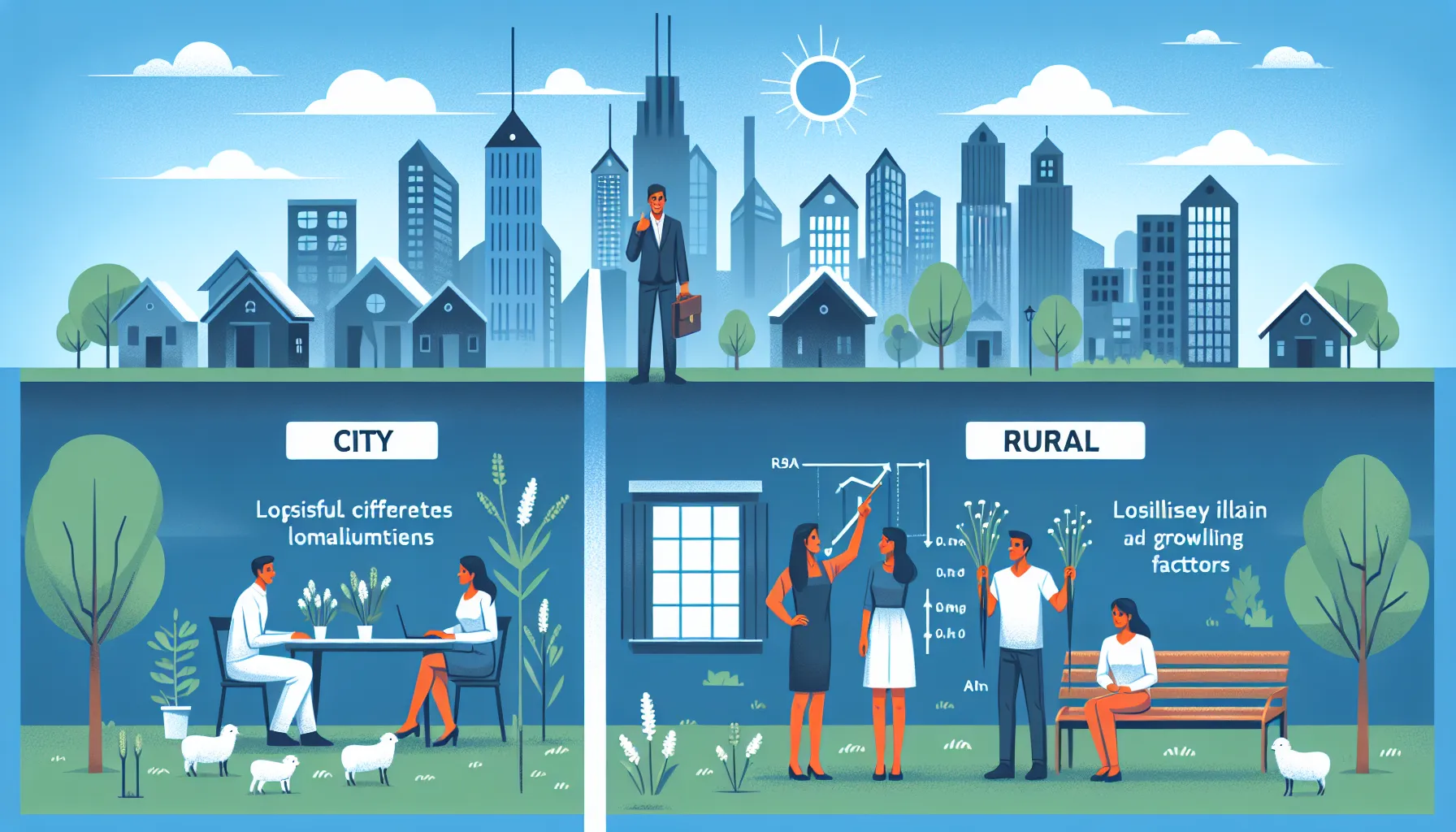
As we look toward the future, the dynamics of city life vs rural life continue to evolve, influenced by changing demographics, technological advancements, and shifting societal values. Understanding the loneliness comparison between these two environments is crucial as both urban and rural areas adapt to the needs of their residents. This section will explore urban development trends aimed at reducing isolation, as well as the resurgence of rural living as people seek more connected environments.
Urban Development Trends
Urban areas are increasingly recognizing the need to create inclusive social spaces that foster community interaction and combat urban isolation factors. Several key trends are emerging in urban planning that aim to transform city environments:
Community-Centric Design: Cities are prioritizing the design of public spaces that encourage social interaction. For example, the development of parks, plazas, and community gardens can help bring residents together. Cities like New York have seen success with initiatives like the High Line, which transforms unused railways into vibrant public spaces.
Mixed-Use Developments: Combining residential, commercial, and recreational spaces allows residents to live, work, and play in proximity, reducing the need for long commutes and fostering a sense of community. The redevelopment of areas in places like San Francisco’s Mission District emphasizes this approach, giving rise to neighborhoods where social interaction is more accessible.
Smart City Initiatives: The integration of technology in urban infrastructure aims to enhance the quality of life for residents. According to a report from the World Economic Forum, cities implementing smart technologies can enhance connectivity and accessibility, thereby reducing feelings of isolation.
Public Transportation Improvements: Enhanced public transit systems can connect isolated neighborhoods to the urban core, facilitating social interactions. Cities like Chicago are investing in transit upgrades to make it easier for residents to access community events and social services.
Recent studies indicate that urban loneliness is a growing concern, with over 60% of urban dwellers reporting feelings of isolation. This has prompted urban planners to rethink city layouts and social structures, focusing on creating environments that promote engagement and community bonding.
Rural Resurgence
Conversely, rural areas are experiencing a resurgence as people seek quieter, more connected living environments. This trend is fueled by several factors:
Increased Remote Work Opportunities: The rise of remote work has made it feasible for individuals to live in rural areas without sacrificing career opportunities. According to a report from McKinsey, approximately 20-25% of the workforce could work remotely three to five days a week, allowing for a migration to less populated areas.
Desire for Community and Connection: Many individuals are gravitating toward rural living benefits such as lower cost of living, closer community ties, and access to nature. A survey conducted by the Pew Research Center found that 71% of respondents living in rural areas felt a strong sense of community compared to 55% in urban settings.
Health and Wellbeing: Rural living is often associated with improved mental health, attributed to less stress and a closer connection to nature. Recent findings from the American Psychological Association suggest that individuals in rural settings report lower levels of anxiety and depression compared to their urban counterparts.
Cultural and Recreational Opportunities: There’s a growing trend of investing in cultural and recreational facilities in rural areas to attract new residents. For instance, towns in the Midwest are revitalizing main streets with art galleries, local cafes, and community events that foster social interaction.
As rural areas become more attractive, urban dwellers are re-evaluating their living conditions in favor of these quieter, more connected environments. This shift not only impacts population distribution but also the overall quality of life for many individuals.
Conclusion
The future of urban and rural living is being shaped by the ongoing battle against loneliness and the quest for community connection. Urban areas are increasingly investing in social infrastructure to foster interaction, while rural areas are experiencing a renaissance as people seek a more tranquil lifestyle that offers meaningful connections.
Understanding these trends will be crucial for policymakers, urban planners, and community organizers as they strive to create environments that nurture social ties, whether in the bustling streets of a city or the serene landscapes of the countryside. As we move forward, it will be essential to monitor these developments and adapt to the changing needs of residents in both settings.
For more insights on how urban planning is evolving, you can explore articles on The Guardian’s urban development section or check out analysis on rural community trends at NPR’s rural affairs coverage.
Key Takeaways
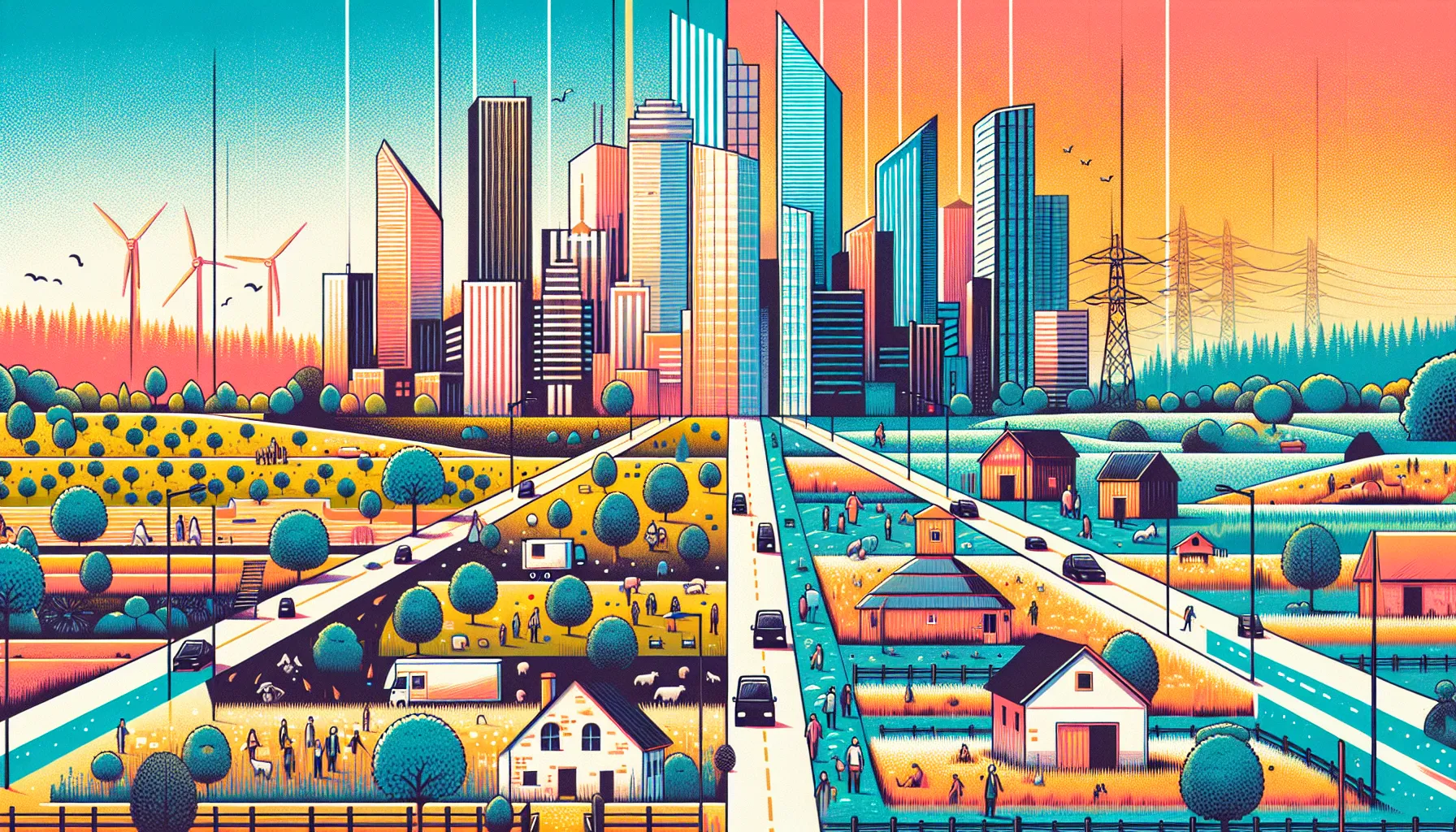
Understanding the loneliness factors in city life versus rural life can significantly inform lifestyle choices for individuals seeking to enhance their well-being. At present, the stark contrasts between these environments highlight how urban density can lead to feelings of isolation, despite being surrounded by people. Conversely, rural life, while often perceived as quieter and more connected, can also foster loneliness due to geographical isolation and fewer social opportunities. Recognizing these dynamics is the first step toward making informed decisions about where to live and how to engage with the community.
One actionable item to consider is community engagement. Actively participating in local groups, clubs, or volunteer opportunities can combat feelings of isolation, regardless of whether one resides in a bustling city or a tranquil rural area. Social connections are critical in reducing loneliness, and fostering relationships through shared interests can create a strong support network. Nowadays, platforms like Meetup provide avenues for people to find and participate in community activities, serving as a resource to bridge the gap between individuals and their communities.
Looking ahead, future trends suggest a potential shift towards valuing community and connection in both urban and rural settings. As remote work becomes increasingly prevalent, individuals may seek to create more meaningful relationships, irrespective of their physical location. This shift may lead to the development of hybrid communities that blend the vibrancy of city life with the intimacy of rural living. According to Forbes, many urban areas are already beginning to prioritize community-building initiatives, which could reshape how city dwellers interact with one another and their surroundings.
In light of these insights, individuals are encouraged to take proactive steps towards fostering connections in their lives. Whether through online platforms, local events, or community service, the options for engaging with others are plentiful. As society continues to navigate the complexities of urbanization and rural life, embracing social connections will be key to combating loneliness and enhancing overall quality of life. The call to action is clear: invest time in community engagement, foster relationships, and contribute to the collective well-being of your environment, whether in a city or the countryside.
Frequently Asked Questions
What are the main causes of loneliness in urban environments?
Loneliness in urban environments often arises from social isolation, high population density, and the fast-paced lifestyle. People may feel disconnected despite being surrounded by others, as meaningful interactions are limited. Additionally, the transient nature of city life, where residents frequently move, can hinder the formation of lasting relationships. The competitive atmosphere and work pressures can further exacerbate feelings of loneliness, making it crucial for urban dwellers to seek out social connections and community involvement.
How does rural living contribute to better mental health?
Rural living often fosters a stronger sense of community, which can significantly enhance mental health. In smaller towns, residents are more likely to know their neighbors and participate in local events, creating supportive social networks. The slower pace of life allows for more leisure time and engagement with nature, which can reduce stress and anxiety. Additionally, rural areas typically have lower crime rates and a quieter environment, contributing to an overall sense of safety and well-being, further promoting mental health.
What trends are emerging in combating loneliness today?
Emerging trends in combating loneliness include the rise of community initiatives aimed at fostering social connections, such as community centers and local events. Technology is also playing a role, with apps and platforms designed to connect individuals based on shared interests. Mental health awareness campaigns are increasingly encouraging open discussions about loneliness. Additionally, urban planning is incorporating more communal spaces to facilitate interactions among residents. These trends reflect a growing recognition of the importance of community and connection in reducing loneliness.
Is loneliness more prevalent in city life compared to rural life?
While loneliness can affect individuals in both urban and rural settings, studies often indicate that it is more prevalent in city life. The anonymity and fast-paced lifestyle of urban areas can lead to feelings of isolation. In contrast, rural communities typically encourage stronger social ties and support networks, which can mitigate loneliness. However, it is essential to note that individual experiences vary, and factors such as personality and personal circumstances also play significant roles in feelings of loneliness.
How can urban dwellers reduce feelings of loneliness?
Urban dwellers can reduce feelings of loneliness by actively seeking social interactions. Joining clubs, attending community events, or volunteering can foster connections with others. Engaging in group activities, such as fitness classes or hobby groups, also helps build relationships. Utilizing technology, such as social media or local meet-up apps, can facilitate new friendships. Additionally, maintaining a routine that includes social time, whether in-person or virtually, can significantly alleviate feelings of loneliness in busy urban environments.
What role does nature play in alleviating loneliness?
Nature plays a significant role in alleviating loneliness by providing a peaceful environment that promotes relaxation and reflection. Exposure to natural settings has been shown to reduce stress and anxiety, contributing to improved mental health. Spending time outdoors can facilitate social interactions, as parks and recreational areas often serve as gathering spots. Even in urban settings, incorporating green spaces allows individuals to connect with nature and others, fostering a sense of community and reducing feelings of isolation.
Are there specific demographics more affected by loneliness in urban areas?
Certain demographics, including young adults, seniors, and individuals living alone, are often more affected by loneliness in urban areas. Young adults may struggle to form lasting connections amidst a transient lifestyle, while seniors may face isolation due to mobility issues or loss of social networks. Additionally, marginalized communities may experience heightened loneliness due to social stigma or lack of access to support systems. Understanding these demographics is essential for developing targeted interventions to address loneliness in urban settings.
How can community programs help address loneliness?
Community programs can play a crucial role in addressing loneliness by creating opportunities for social interaction and engagement. Initiatives such as neighborhood events, workshops, and support groups can foster connections among residents. Programs focused on inclusivity can help marginalized individuals feel welcomed and valued, reducing feelings of isolation. By providing a platform for shared experiences, community programs can strengthen relationships, enhance social networks, and ultimately promote a sense of belonging, which is vital for combating loneliness.