
Analyzing the Effects of COVID-19 on Urban Loneliness: A Deep Dive
Explore the impact of COVID-19 on urban loneliness, examining current trends and future projections in city living and mental health.


26 min read
What You Need to Know
In recent times, studies have revealed that nearly 60% of urban residents report feelings of loneliness, a stark increase attributed largely to the effects of the COVID-19 pandemic. This data underscores an alarming trend: urban loneliness, once a significant issue in city living, has been exacerbated by the isolation and social distancing measures necessitated by the pandemic. As cities became epicenters for the virus, the very fabric of urban life, which often thrives on interpersonal interactions, was disrupted, leading to a pervasive urban mental health crisis.
This article delves into the multifaceted effects of COVID-19 on urban loneliness, exploring how the experience of city living has uniquely shaped mental health during these challenging times. We will analyze how the pandemic has transformed the dynamics of urban social interactions, exacerbating feelings of isolation among residents. The role of urban environments in fostering community connections is crucial, and understanding this interplay can shed light on the broader implications for public health policies moving forward.
Furthermore, we will highlight recent data that illustrates the profound effects of pandemic isolation on urban residents. From increased reports of anxiety and depression to the challenges of maintaining social ties in a digital age, these insights are essential for comprehending the long-term consequences of the pandemic on urban mental health. For a deeper understanding of these trends, a recent report by the American Psychological Association provides valuable insights into the psychological effects of social isolation.
As we navigate this new normal, examining the relationship between COVID-19 and urban loneliness becomes increasingly vital. It is imperative for city planners, mental health professionals, and policymakers to recognize and address the unique challenges posed by urban living during a pandemic. By analyzing these factors, we can work towards creating more resilient urban environments that promote mental well-being and foster meaningful social connections.
Ultimately, understanding urban loneliness as a significant issue exacerbated by the pandemic will allow us to better equip ourselves for the future. This knowledge is not only essential for addressing current crises but also for preventing the recurrence of such mental health challenges in the wake of future global disruptions. Join us as we explore the complexities of urban loneliness in the age of COVID-19 and consider actionable solutions for a healthier, more connected urban life.
The Rise of Urban Loneliness During COVID-19
Defining Urban Loneliness
Urban loneliness refers to the emotional state characterized by feelings of isolation and disconnection prevalent among individuals living in densely populated areas. While city life has traditionally been associated with opportunities for social interaction, the COVID-19 pandemic radically altered this landscape. Strict social distancing measures, lockdowns, and the general atmosphere of fear and uncertainty have led to a significant increase in feelings of loneliness among urban dwellers.
The pandemic isolation effects have exposed vulnerabilities within urban environments, where many residents rely on social interactions to foster a sense of community. The abrupt cessation of social activities, such as communal gatherings, dining out, and participating in local events, has left many feeling abandoned and disconnected. This phenomenon is particularly acute in cities where the pace of life is fast, and the reliance on social networks is high.
Statistics on Isolation
Recent studies have provided alarming statistics regarding the state of urban loneliness during the pandemic. A survey conducted by the American Psychological Association revealed that over 60% of urban residents reported feeling isolated during the pandemic. This statistic highlights a dramatic rise in loneliness, particularly among populations that typically thrive in bustling urban environments.
Key statistics include:
- Increased Reports of Loneliness: A study by the Pew Research Center found that nearly 70% of young adults reported feeling lonely at least some of the time during the pandemic.
- Mental Health Decline: Data from the Centers for Disease Control and Prevention (CDC) indicated that anxiety and depression symptoms tripled among adults in the U.S., with urban residents particularly affected.
- Social Connections Severed: Research published in the journal Social Science & Medicine indicated that urban populations experienced a 40% decrease in social interactions during the peak of the pandemic.
Moreover, the pandemic exacerbated existing mental health issues, contributing to an urban mental health crisis that continues to unfold. In cities where social connections were once readily available, the sudden stop has left many individuals struggling with feelings of loneliness, anxiety, and depression.
Case Studies and Examples
Several case studies illustrate the rise of urban loneliness during COVID-19. For instance, in New York City, a survey conducted by the NYC Health Department revealed that 61% of residents reported feeling lonely, a stark increase from pre-pandemic levels. This sense of isolation was particularly pronounced among older adults, who often rely on community resources and social interactions for emotional support.
Another significant example comes from London, where a study from the London School of Economics indicated that urban loneliness was heightened among young adults aged 18-29, with 55% reporting persistent feelings of loneliness. The same study noted that the closure of social venues and the shift to remote work had disrupted their social networks, leading to a pronounced sense of isolation.
Summary of Findings
The data reveals a troubling trend: urban loneliness has surged as social distancing measures were implemented during the COVID-19 pandemic. The following points summarize the key findings:
- Over 60% of urban residents reported feelings of isolation during the pandemic.
- Nearly 70% of young adults felt lonely at least some of the time.
- Anxiety and depression symptoms tripled among adults, with urban populations significantly affected.
- Social interactions decreased by 40% in urban settings during the pandemic.
The findings underscore the importance of addressing urban loneliness as a pressing public health issue, particularly as cities navigate the ongoing impacts of the pandemic.
In conclusion, the COVID-19 pandemic has not only changed the way we live but has also profoundly impacted our social connections. The rise of urban loneliness calls for urgent attention and innovative solutions to foster community engagement and improve urban mental health. As we emerge from the pandemic, recognizing and addressing the mental health needs of urban residents will be crucial in rebuilding stronger, more connected communities.
For further insights on urban loneliness and mental health, refer to the World Health Organization for ongoing research and recommendations.
Pandemic Isolation Effects on Mental Health
The COVID-19 pandemic has profoundly affected urban loneliness, leading to significant psychological ramifications, particularly for vulnerable populations. As cities became lockdown zones, social distancing measures escalated feelings of isolation and despair. Urban dwellers, who often thrive on community interactions, faced unprecedented challenges that exacerbated existing mental health issues.
Impact on Vulnerable Populations
Certain demographics have been disproportionately affected by the pandemic isolation effects. Among these, the elderly and young adults stand out as particularly vulnerable groups.
Elderly Individuals:
- Social isolation has long been a concern for the elderly, but the pandemic intensified this issue. Many seniors faced restricted access to social activities and essential services, heightening feelings of loneliness and abandonment. A study published in the Journal of Gerontology found that nearly 50% of older adults reported increased loneliness during the pandemic (source: NPR).
Young Adults:
- Conversely, young adults grappled with their own set of challenges. This demographic typically finds solace in social gatherings, yet lockdowns rendered these activities impossible. Recent surveys indicate that anxiety symptoms among young adults surged by 40% during the pandemic, illustrating the profound impact of COVID-19 urban loneliness on mental health (source: The Guardian).
The combination of disrupted education, lost job opportunities, and limited social interactions has led to a mental health crisis among these groups, prompting experts to call for urgent intervention.
Long-term Mental Health Consequences
As the pandemic continues to evolve, the long-term mental health consequences for urban populations remain a pressing concern. Research indicates that the psychological toll may persist long after the immediate crisis has subsided.
Anxiety and Depression Rates:
- The pandemic has resulted in a significant increase in anxiety and depression rates among urban dwellers. According to a recent study by the Kaiser Family Foundation, more than 60% of adults in the United States reported symptoms of anxiety or depressive disorder, reflecting a marked increase from pre-pandemic levels (source: KFF).
Potential for Chronic Conditions:
- Experts warn that the pandemic’s isolation effects could lead to chronic mental health conditions. The prolonged emotional distress experienced by many could create lasting challenges. The World Health Organization has highlighted the importance of mental health support systems to mitigate these consequences, emphasizing that cities need to prioritize mental health services as part of their recovery plans (source: WHO).
Increased Substance Abuse:
- The pandemic has also been linked to rising rates of substance abuse as individuals seek to cope with their mental health struggles. A report from the National Institute on Drug Abuse indicated that drug overdoses surged during the pandemic, further complicating the urban mental health crisis (source: NIDA).
Conclusion
The effects of COVID-19 on urban loneliness and mental health are profound and far-reaching. Vulnerable populations, particularly the elderly and young adults, have faced significant challenges that have exacerbated feelings of isolation and despair. The long-term consequences of these pandemic isolation effects will likely require comprehensive strategies to address the emerging urban mental health crisis. As cities begin to recover from the pandemic, investing in mental health resources and fostering community connections will be essential to healing and rebuilding urban environments.
Key Statistics Summary
| Population Group | Increase in Mental Health Issues |
|---|---|
| Elderly | 50% report increased loneliness |
| Young Adults | 40% increase in anxiety symptoms |
| General Population | 60% report anxiety/depressive symptoms |
City Living During the Pandemic: A Double-Edged Sword
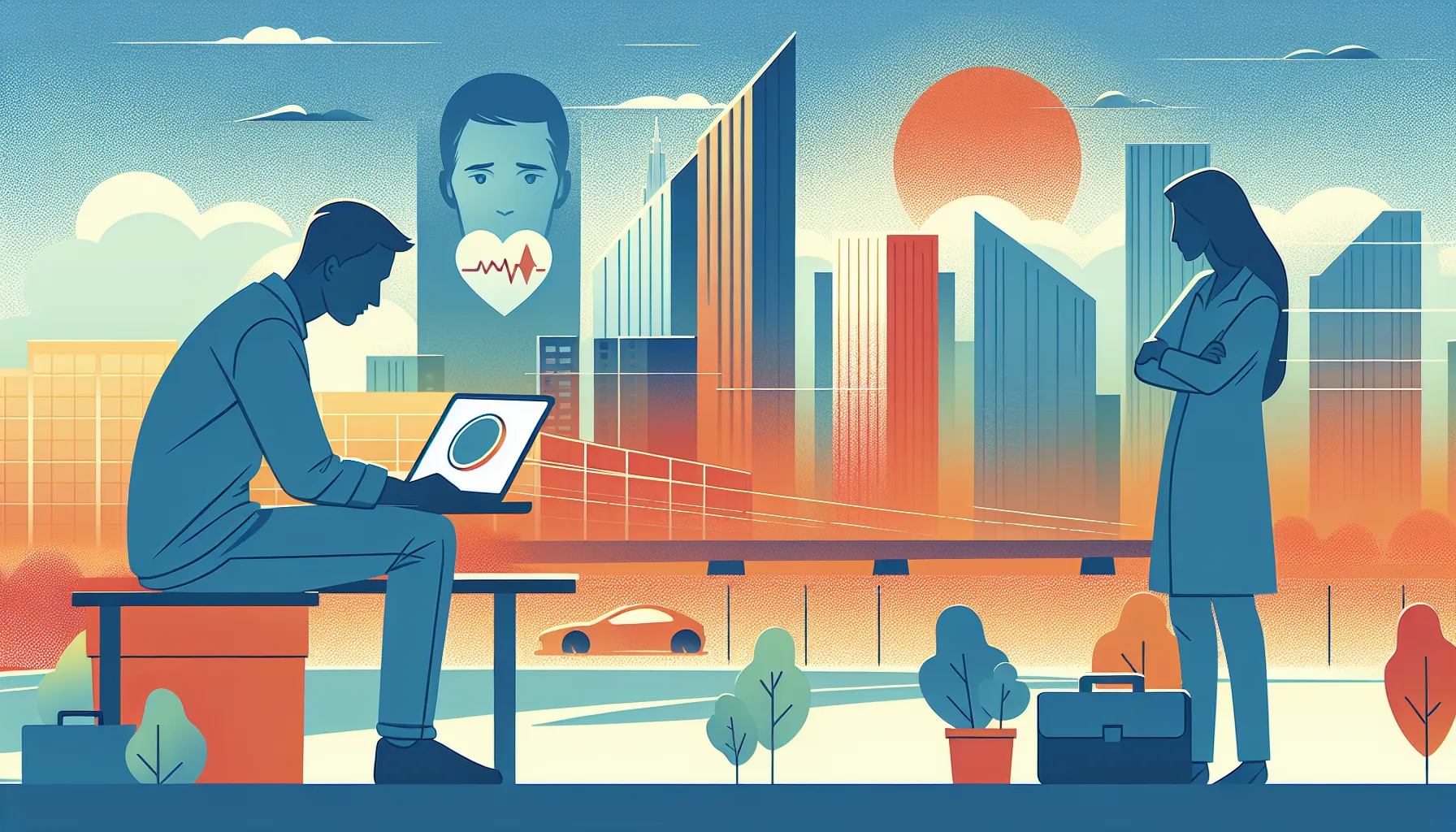
Urban living has long been characterized by its bustling atmosphere, rich cultural offerings, and a plethora of social interactions. However, the COVID-19 pandemic has reshaped the experience of city living, revealing both advantages and challenges that have significantly impacted urban loneliness.
Advantages of Urban Living
Cities are often seen as hubs of opportunity and community engagement. During the COVID-19 pandemic, several advantages of urban living have been amplified, offering some respite amid the isolation.
Access to Essential Services: Urban areas are typically equipped with a range of services including healthcare, grocery stores, and mental health resources. According to the National Center for Biotechnology Information, access to mental health services in urban settings has been crucial during the pandemic, allowing individuals to seek help as feelings of anxiety and depression surged.
Community Resources: Many cities have leveraged their existing community structures to foster connection. Programs that provide food assistance, mental health support, and social services have helped mitigate the loneliness that many have felt during isolation. For instance, initiatives like 鈥淢eals on Wheels鈥?in various cities continued to deliver food to vulnerable populations, ensuring they remained connected to the community.
Technology for Connection: Urban residents have utilized technology to maintain social interactions. Virtual platforms such as Zoom and social media have facilitated online gatherings, support groups, and community events. A survey by Pew Research Center found that 42% of adults in urban areas reported using video calls more frequently during the pandemic, creating a semblance of connection despite physical distancing.
Challenges Faced
Despite these advantages, urban living during the pandemic has also presented significant challenges that have exacerbated feelings of loneliness and isolation.
Reduced Physical Interactions: The restrictions imposed to curb the spread of COVID-19 led to a dramatic decline in physical social interactions. Research published in the Journal of Urban Health indicates that urban residents experienced higher levels of loneliness, with nearly 61% reporting feelings of isolation compared to 41% in rural areas. This stark contrast highlights how the urban environment, usually vibrant with social activity, became a source of solitude.
Mental Health Crisis: The pandemic has catalyzed an urban mental health crisis, with city dwellers reporting increased levels of anxiety and depression. A study by the American Psychological Association found that 74% of individuals living in urban settings reported that their mental health had declined since the onset of the pandemic. The lack of social support systems that typically thrive in urban environments has contributed to this decline.
Economic Disparities: The pandemic disproportionately affected lower-income urban residents, who often lacked access to technology and reliable internet. This digital divide prevented many individuals from participating in virtual events or accessing online resources, further isolating them from their communities. The Economic Policy Institute reported that job losses among lower-wage workers were significantly higher in urban areas, exacerbating feelings of vulnerability and isolation.
Innovations and Community Responses
In response to the challenges of urban loneliness during the pandemic, cities have innovated and adapted in various ways to foster community engagement.
Virtual Neighborhood Events: Many neighborhoods organized virtual block parties and social hours to maintain community spirit. For example, cities like San Francisco saw local residents hosting themed virtual gatherings, such as trivia nights and happy hours, which helped keep residents connected despite physical distancing.
Outdoor Activities and Safe Spaces: Some cities transformed public spaces to accommodate social distancing while allowing for interaction. Initiatives like “open streets” programs in New York City provided safe spaces for pedestrians and cyclists, encouraging outdoor gatherings where residents could meet while maintaining a safe distance.
Mental Health Initiatives: Urban centers have also increased mental health resources through virtual counseling and community workshops aimed at coping with the pandemic’s psychological effects. Programs like 鈥淭alkspace鈥?have gained popularity, offering online therapy sessions and resources specifically tailored to urban residents navigating pandemic isolation.
The COVID-19 pandemic has undeniably transformed the experience of urban living, highlighting both its advantages and challenges. While cities provided essential services and innovative community solutions to mitigate loneliness, the lack of physical interactions has led to increased feelings of isolation and a burgeoning mental health crisis. As urban residents emerge from the pandemic, understanding these dynamics will be crucial in building resilient communities that prioritize mental well-being.
For further insights on the impact of COVID-19 on urban loneliness, you can explore the American Psychological Association’s report on mental health trends or visit the Pew Research Center for data on technology usage during the pandemic. Additionally, the National Center for Biotechnology Information provides resources on access to mental health services in urban areas.
Current Trends in Urban Mental Health
As the world continues to grapple with the effects of COVID-19, the issues of urban loneliness and mental health have gained unprecedented attention. The pandemic’s isolation effects have led to a surge in demand for innovative mental health services tailored to address these pressing concerns, particularly in urban environments. The following subsections explore emerging support systems and the pivotal role of technology in combatting the urban mental health crisis.
Emerging Support Systems
With the rise of urban loneliness, cities are increasingly recognizing the need for robust mental health support systems. Various initiatives have sprung up to meet the needs of urban dwellers, who often experience increased feelings of isolation and anxiety. Notable trends include:
Community-Based Programs: Cities like New York and Los Angeles have implemented community-focused mental health initiatives that aim to provide localized support. These programs often include peer support groups, which have proven effective in reducing feelings of loneliness among participants.
Public-Private Partnerships: Collaborations between local governments and private mental health organizations are on the rise. For instance, the Mental Health Coalition in New York City has partnered with various health tech startups to create accessible mental health resources for residents.
Workplace Mental Health Initiatives: As more people work remotely, companies are investing in mental health resources for their employees. A survey by the Mental Health America organization found that 72% of employees reported experiencing increased stress levels during the pandemic, prompting businesses to offer more comprehensive mental health benefits, including counseling services and wellness programs.
Role of Technology
Technology has played a crucial role in mitigating the effects of urban loneliness during the pandemic. The rise of telehealth services and online support groups has transformed how individuals access mental health resources. Some critical developments include:
Telehealth Services: The use of telehealth for mental health consultations has surged. According to a report from the American Psychological Association, nearly 76% of psychologists reported that they began offering telehealth options in response to COVID-19. This shift has made it easier for urban residents to seek help without the barriers of travel and stigma.
Mobile Mental Health Apps: A plethora of mobile applications have emerged to cater to urban populations facing mental health challenges. Apps like Calm and Headspace provide guided meditation, while platforms such as BetterHelp and Talkspace offer online therapy with licensed professionals. These tools allow individuals to engage with mental health resources at their convenience, which is especially crucial for those living in fast-paced urban environments.
Online Support Groups: Virtual support groups have become an essential lifeline for many individuals struggling with loneliness. Organizations like the National Alliance on Mental Illness (NAMI) have transitioned their support sessions to online formats, allowing participants to connect and share experiences in a safe, moderated environment.
Current Case Studies
Recent studies illustrate the effectiveness of these emerging support systems and technological solutions:
City of San Francisco: In response to increasing reports of urban loneliness, the city launched the 鈥淪an Francisco Mental Health Initiative,鈥?which includes a comprehensive digital platform for residents to access mental health services. According to city officials, this initiative has resulted in a 30% increase in residents seeking mental health support since its launch.
BetterHelp: A study conducted by BetterHelp revealed that users in urban areas experienced a 40% reduction in feelings of loneliness after participating in therapy sessions via their platform. The accessibility of online therapy was highlighted as a key factor in this improvement.
Mental Health Apps: A recent survey by the Pew Research Center found that 42% of urban residents have turned to mental health apps for support during the pandemic. Users reported that these apps have helped them manage anxiety and provided a sense of community through forums and chat features.
Conclusion
As the urban mental health crisis continues to unfold in the wake of COVID-19, the emergence of innovative support systems and technology-driven solutions offers hope. By addressing the challenges of urban loneliness, cities can foster healthier environments where residents are empowered to seek help and connect with others. Ongoing investments in mental health resources, particularly those leveraging technology, will be critical to navigating this ongoing crisis and improving urban mental health outcomes.
For more insights on mental health trends and emerging technologies, consider exploring NPR’s health section, insights from Bloomberg on mental health investments, and the latest research from Harvard on mental health initiatives.
Future Projections: Addressing Urban Loneliness Post-Pandemic
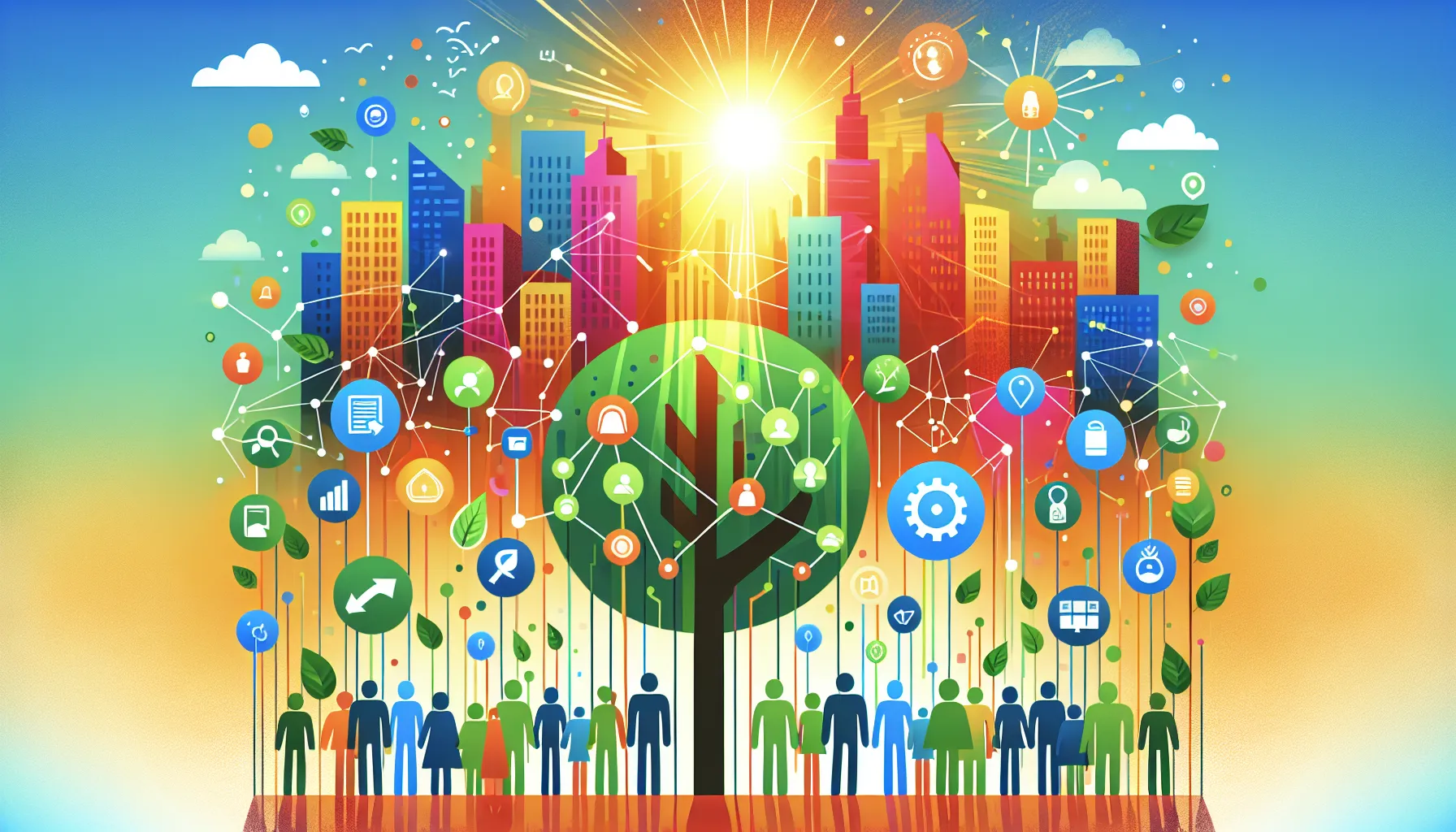
As urban centers begin to emerge from the shadow of the COVID-19 pandemic, the long-lasting effects of pandemic isolation on urban loneliness necessitate a critical reevaluation of city living. The urban mental health crisis exacerbated by COVID-19 has prompted urban planners and policymakers to prioritize mental health resources and community engagement. Understanding predicted trends in urban living and the corresponding policy implications will help shape healthier, more connected urban environments.
Predicted Trends in Urban Living
Recent studies indicate that the urban landscape will evolve significantly in response to the social isolation experienced during the pandemic. Key trends include:
Enhanced Community Spaces: Cities are increasingly recognizing the need for public spaces that encourage social interactions. For example, New York City has committed to expanding its parks and pedestrian areas, promoting community engagement and reducing feelings of isolation.
Mixed-Use Developments: Urban planners are advocating for mixed-use developments that integrate residential, commercial, and leisure spaces. This approach not only fosters a sense of community but also encourages residents to engage more with their surroundings. According to the Urban Land Institute, such developments can reduce reliance on cars and enhance walking and biking, which are crucial for mental well-being.
Digital Connectivity: The pandemic accelerated the adoption of technology in urban life, leading to increased reliance on digital platforms for social interaction. Cities are likely to invest in digital infrastructure that supports virtual community-building initiatives, further bridging the gap created by physical distancing.
Health and Wellness Integration: Future city designs may increasingly incorporate health and wellness initiatives. A recent survey by the American Planning Association revealed that over 60% of urban planners believe that mental health considerations will play a significant role in future urban design.
Policy Implications
To effectively address urban loneliness post-pandemic, policymakers must implement strategies that prioritize mental health and community engagement. Some potential policy implications include:
Investment in Mental Health Resources: Urban areas must allocate funding for mental health services, including counseling and support groups. Cities like San Francisco have already initiated programs that provide mental health resources in public spaces, making them more accessible to those in need.
Regulatory Support for Community Projects: Policymakers can create frameworks that facilitate the development of community-oriented projects. For example, cities could streamline permitting processes for community gardens, pop-up parks, or outdoor gathering spaces.
Partnerships with Local Organizations: Collaboration with non-profits and community organizations can amplify efforts to combat urban loneliness. Cities such as Chicago have partnered with local non-profits to create social programs that connect residents through shared interests and activities.
Data-Driven Solutions: Employing data analytics can help cities better understand the specific needs of their communities. Cities like Los Angeles are beginning to utilize data science to identify areas with high levels of loneliness and target resources accordingly.
Promoting Remote Work and Flexible Living: As remote work becomes more common, cities must develop policies that accommodate this shift. Urban planners are already envisioning designs that support mixed-use environments, allowing for work-life balance and social interaction.
Examples of Cities Planning for Change
Several cities worldwide are already taking steps to redesign their urban landscapes to foster social connection:
Barcelona, Spain: The city is implementing its “Superblock” plan, which aims to reduce traffic and create pedestrian-friendly neighborhoods. This initiative encourages residents to gather in public spaces, thereby mitigating feelings of isolation.
Melbourne, Australia: In response to the mental health crisis exacerbated by COVID-19, Melbourne’s city government has launched the “Melbourne City Recovery Plan,” which includes investments in public spaces and community hubs to promote social interaction.
Toronto, Canada: Toronto’s “Open Streets” initiative temporarily closes certain streets to vehicles, allowing for pedestrian activities and community events. This project not only encourages physical activity but also fosters a sense of community among residents.
The integration of these trends and policies is crucial for addressing the lingering effects of COVID-19 urban loneliness. By prioritizing mental health resources and fostering environments that encourage social interaction, cities can help combat the urban mental health crisis.
As urban areas continue to adapt to the lessons learned during the pandemic, the focus on creating inclusive, engaging public spaces will be vital for nurturing community ties and enhancing the overall well-being of residents. For more insights on urban planning and its impact on mental health, consider exploring resources from the American Planning Association and the Urban Land Institute.

Key Takeaways
Urban loneliness has emerged as a significant concern, exacerbated by the COVID-19 pandemic. The isolation many experienced during lockdowns has led to increased feelings of loneliness in densely populated areas where community connections are often superficial. At present, it is clear that addressing this issue requires a multifaceted approach that includes community-driven initiatives and innovative uses of technology.
Community-driven initiatives are essential in combating isolation. Local organizations and neighborhood groups can foster connections among residents through activities such as community gardens, block parties, and volunteer programs. These initiatives can create environments where individuals feel supported and connected, thus reducing loneliness. Now, more than ever, it is crucial for urban planners and local governments to invest in public spaces that encourage interaction and collaboration among community members.
Additionally, technology has proven to be a double-edged sword in the fight against loneliness. While excessive screen time can contribute to feelings of isolation, technology can also facilitate connections through social media, virtual meetups, and online support groups. For instance, platforms like Meetup allow individuals to find and join groups based on shared interests, promoting social interaction. As we move forward, leveraging technology to bridge gaps between individuals will be vital in creating a more connected urban landscape.
Looking ahead, future urban planning must prioritize mental health to cultivate connected communities. This could involve designing urban spaces that encourage social interaction and accessibility, such as parks, community centers, and pedestrian-friendly areas. According to Urban Land Institute, incorporating mental health considerations into urban design can lead to more vibrant, engaged, and resilient communities. As cities continue to evolve, the integration of mental health resources into public policy should become a priority.
In conclusion, urban loneliness is a pressing issue that has intensified during the pandemic, but there are actionable steps that communities can take now. By fostering community-driven initiatives and utilizing technology smartly, we can combat isolation effectively. Furthermore, as we look towards the future, prioritizing mental health in urban planning will be crucial in creating environments where individuals feel connected and supported.
It is time for individuals, communities, and policymakers to come together to address urban loneliness. We encourage everyone to get involved in local initiatives, engage with neighbors, and advocate for mental health considerations in urban planning. Together, we can create healthier, more connected urban environments that combat loneliness and promote well-being.
Frequently Asked Questions
How has COVID-19 specifically affected urban loneliness?
COVID-19 has significantly exacerbated urban loneliness due to social distancing measures and lockdowns. In densely populated cities, the lack of social interactions has led to feelings of isolation and disconnection among residents. Many individuals have experienced increased anxiety and depression as they navigate remote work and limited social opportunities. The pandemic has highlighted the importance of community and social support, making urban loneliness a pressing issue that requires attention and innovative solutions.
What are the mental health implications of isolation in cities?
Isolation in urban settings during COVID-19 has led to severe mental health implications, including heightened anxiety, depression, and feelings of hopelessness. The lack of face-to-face interactions can exacerbate existing mental health conditions and create new challenges. Many urban dwellers report increased stress levels due to uncertainty and fear surrounding the pandemic. Addressing these mental health issues is critical, as they can have long-lasting effects on individuals and communities, emphasizing the need for accessible mental health resources.
What strategies can urban dwellers use to combat loneliness during and after the pandemic?
Urban dwellers can employ several strategies to combat loneliness during and after the pandemic. Engaging in virtual social activities, such as online game nights or video calls, can help maintain connections with friends and family. Additionally, participating in local community services or volunteer opportunities fosters a sense of belonging and purpose. Creating a routine that includes outdoor activities, exercise, and mindfulness practices can also improve mental well-being and reduce feelings of isolation.
How do urban environments contribute to feelings of loneliness?
Urban environments can contribute to feelings of loneliness due to their fast-paced, often impersonal nature. Despite being surrounded by people, urban dwellers can feel disconnected when relationships are superficial or transient. Factors such as noise, overcrowding, and a lack of communal spaces can hinder meaningful interactions. Additionally, the competitive atmosphere in cities can lead individuals to prioritize work over social connections, further perpetuating feelings of loneliness and isolation.
What role does technology play in addressing urban loneliness?
Technology plays a crucial role in addressing urban loneliness, especially during the COVID-19 pandemic. Virtual communication platforms enable individuals to maintain social connections and participate in community activities from afar. Social media can help foster relationships and support networks, allowing people to share experiences and emotions. However, it is essential to strike a balance, as excessive reliance on technology may also lead to feelings of disconnection. Finding meaningful ways to engage online can enhance social support and reduce loneliness.
What community resources are available to help combat urban loneliness?
Many community resources are available to help combat urban loneliness. Local organizations often provide social programs, support groups, and mental health services designed to foster connection among residents. Libraries, community centers, and non-profits frequently host workshops, classes, and events that encourage social interaction. Additionally, many cities have initiatives aimed at promoting neighborly connections, such as community gardening or clean-up projects, which can create a sense of belonging and camaraderie among urban dwellers.
How can urban planning help reduce loneliness in cities?
Urban planning can significantly reduce loneliness by designing spaces that promote social interaction and community engagement. Incorporating public parks, plazas, and communal gathering areas encourages residents to connect and participate in community activities. Mixed-use developments that blend residential, commercial, and recreational spaces can foster vibrant neighborhoods. Additionally, prioritizing walkability and accessibility enhances opportunities for casual encounters and socialization, ultimately creating a more connected urban environment that combats loneliness.
What can individuals do to raise awareness about urban loneliness?
Individuals can raise awareness about urban loneliness by initiating conversations within their communities and sharing personal experiences. Organizing local events that focus on mental health and social connection can help foster dialogue and promote understanding. Utilizing social media platforms to share informative articles, resources, and personal stories can also amplify the message. Collaborating with local organizations to host workshops or support groups can create a collective effort to combat loneliness and build a stronger sense of community.